
July is the month the homestead hits full stride. The garden is producing, the animals need watching in the heat, and the preserving season is just getting going. It can feel like there is too much happening at once, which is exactly why a simple checklist helps.
These July homestead tasks are organized by area so you can move through the month without letting anything slip, whether you are tending a backyard flock and a few raised beds or a few acres with livestock. Think of it as the running list we keep taped inside the pantry door, adapted for wherever you are.
Key Takeaways
In the Garden
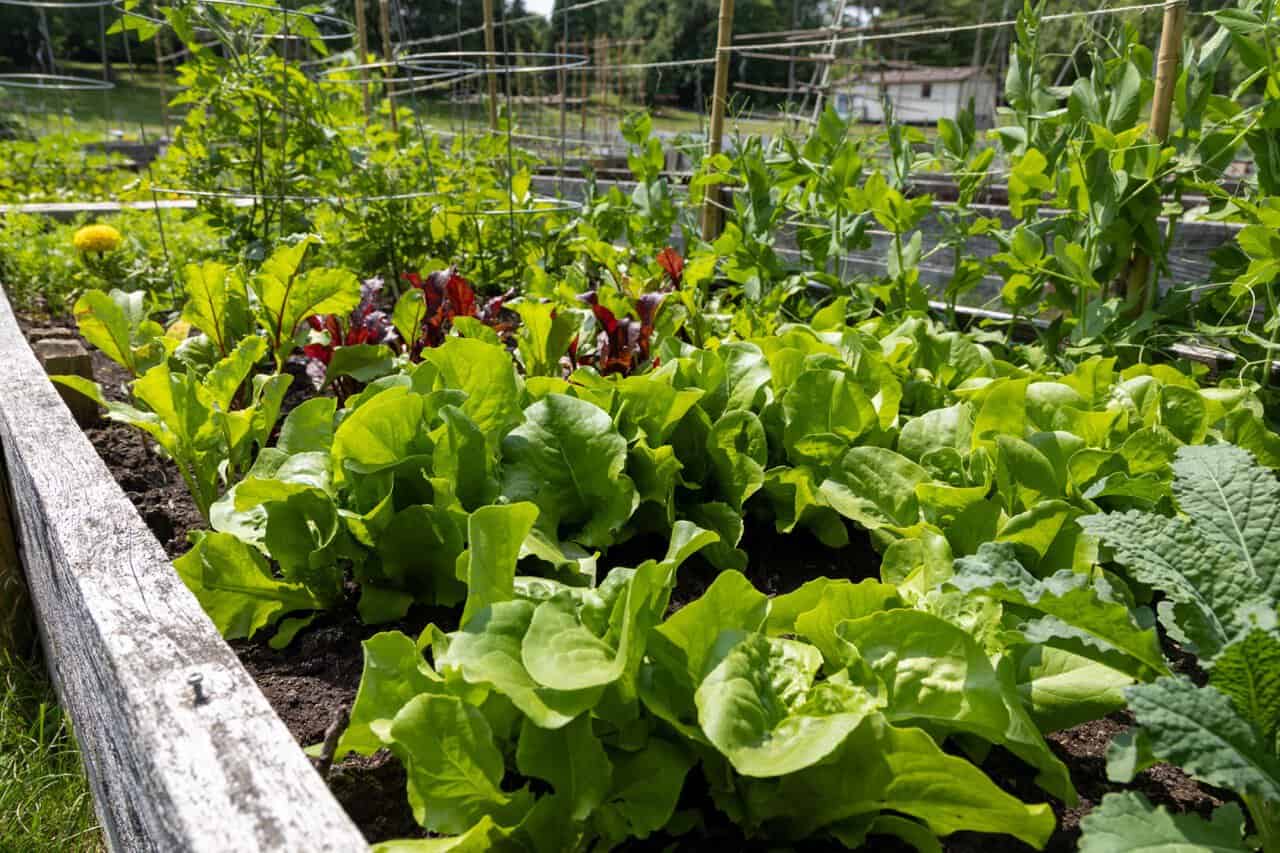
The garden asks the most of you in July, and the payoff is the biggest too. Harvest is the daily job now. Pick summer squash, cucumbers, beans, and tomatoes as they ripen, because leaving mature fruit on the plant signals it to stop producing. A zucchini checked every day stays a tender eight inches instead of becoming a baseball bat overnight.
Watering is the make-or-break task. Most gardens need about an inch to an inch and a half of water a week in the heat, and deep, less frequent soaks build stronger roots than daily sprinkles. Water in the early morning so leaves dry before evening, which cuts down on disease. Mulch every bare patch of soil to hold that moisture and smother weeds while you are at it.
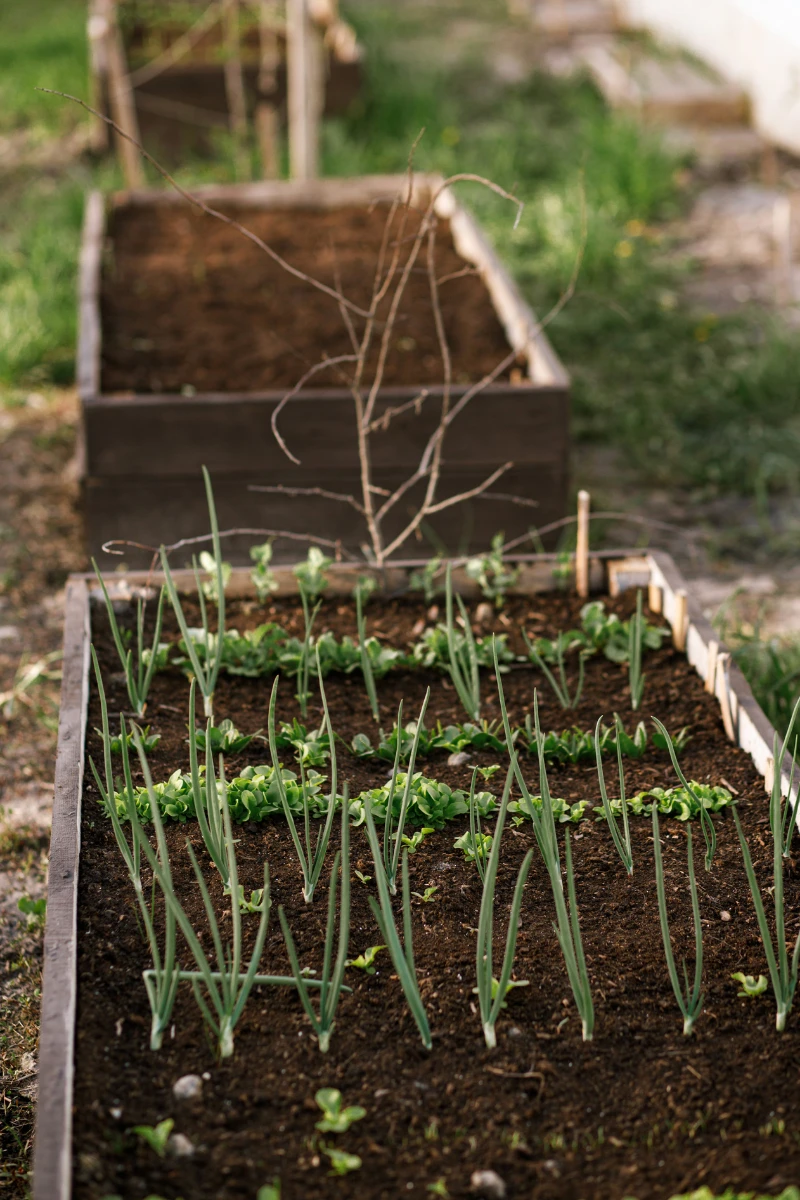
July is also planting time again, not just harvest time. As spring crops finish, sow fast summer vegetables and start your fall garden. We laid out the full month-by-month rundown in our guide on what to plant in July, and slotting those sowings in now keeps the beds producing into fall. Round out the garden chores by deadheading flowers to keep them blooming, scouting daily for pests like squash bugs and hornworms, and pinching back herbs before they flower.
With the Animals
Summer livestock care is almost entirely about beating the heat. Fresh, cool water is the single most important thing you provide in July, and animals drink far more than usual, so check and refill waterers more than once a day. For poultry, add extra waterers in the shade and drop in ice on the worst afternoons.
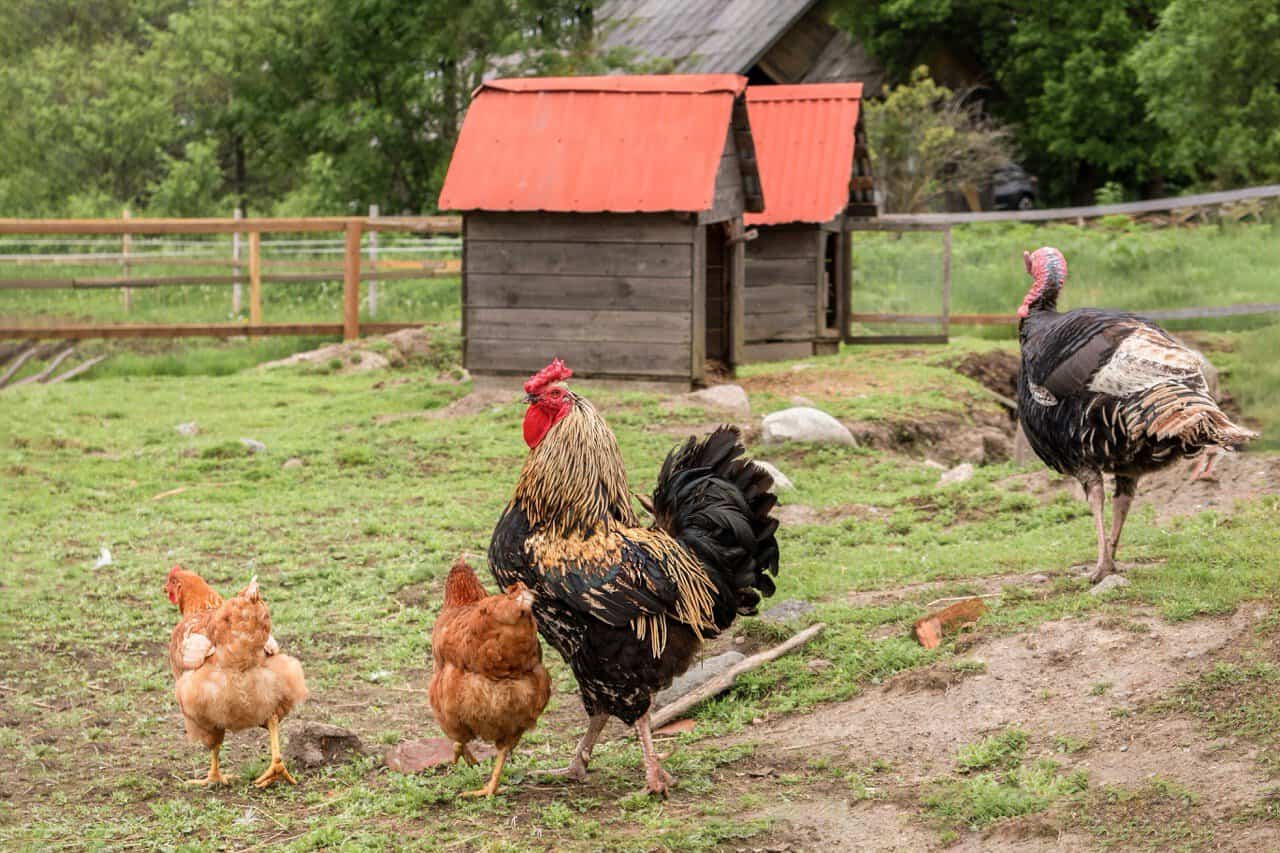
Shade is non-negotiable. Every animal needs a genuinely shaded place to escape the midday sun, whether that is a tree line, a run-in shed, or a tarp you rig up for the afternoon. Chickens are especially vulnerable, and a heat wave can turn dangerous fast, so it is worth reviewing the warning signs in our guide to heat stress in chickens before the temperature spikes. Beyond water and shade, stay on top of fly control, keep bedding clean and dry, and watch for parasites, which peak in warm, humid weather. Do any handling, hoof trimming, or moving of animals in the cool of the morning.
In the Kitchen and Pantry
This is where July earns its reputation. The preserving season is in full swing, and the goal is to capture the surplus while it is at its peak. Freeze or can extra beans, make quick refrigerator pickles from the cucumber glut, put up berries and jam, and dehydrate herbs before they bolt. Even fifteen minutes a day keeps you ahead of the harvest instead of drowning in it.
Keep it manageable by preserving in small, frequent batches rather than waiting for one overwhelming marathon. A couple of jars of pickles here, a tray of frozen berries there, and by fall the pantry and freezer are steadily full. Label everything with the contents and the date as you go, because a chest freezer full of unlabeled bags is a future mystery you do not want. Plan a few meals around what is peaking so the freshest produce gets eaten at its best, and save the preserving for the true excess.

Maintenance and Around the Homestead
The tasks that are easy to ignore in July are the ones that cause trouble later. Stay ahead of the weeds while they are small, because a weed pulled in July is a hundred seeds you do not fight next spring. Keep pathways and fence lines trimmed so you can spot problems and reduce fire risk in dry regions.
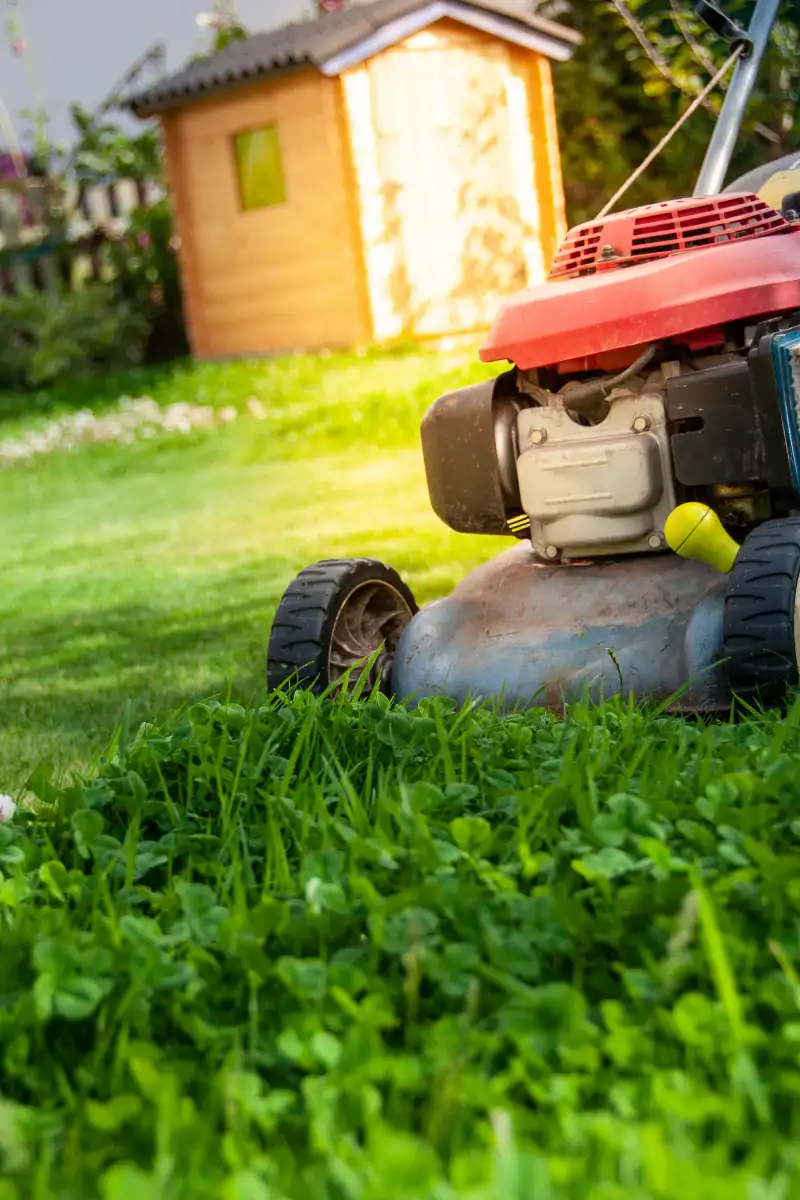
Give your equipment a midsummer check. Clean and sharpen your garden tools, service the mower, and inspect hoses and drip lines for leaks now that they are in constant use. Check fences and gates while you are walking the property, and clean out gutters and check that rain barrels are ready for a summer storm. If you keep bees, July is a month to monitor for swarming and make sure hives have enough space and ventilation.

Planning Ahead
The best homesteaders use July’s abundance to set up the rest of the year. Take a few minutes to note what is thriving and what struggled, because those notes are gold when you plan next year’s garden. Start thinking about fall: order any fall transplants or seeds you still need, and sketch out where cool-season crops will go as summer beds empty.
If you are newer to this rhythm, comparing this list against last month is a good way to see how the season shifts. Our June homestead tasks guide shows how quickly the focus moves from planting and setup toward harvest and preserving. For region-specific timing on chores and frost dates, the Old Farmer’s Almanac is a reliable reference to check against your own local conditions.
July rewards steady attention more than heroic effort. Handle the heat, pick and preserve a little every day, and keep the small maintenance from piling up, and you will roll into August with a full pantry, healthy animals, and a garden still going strong. A list this long only works if the work itself is bearable — which is really about finding joy in everyday tasks.
Frequently Asked Questions About July Homestead Tasks
What should I do on the homestead in July?
Focus on three things: managing the heat for gardens and animals, harvesting and preserving the summer surplus, and staying ahead of maintenance like weeding and equipment checks. July is also the time to start fall crops as spring vegetables finish.
Is July too late to plant anything?
No. July is ideal for sowing fast summer crops like bush beans and squash and for starting the first fall crops such as broccoli, carrots, and kale. Match your choices to your first frost date so everything has time to mature.
How do I keep animals safe in July heat?
Provide cool, clean water in multiple spots and refill it several times a day, make sure every animal has real shade, control flies, and do handling chores in the cool morning hours. Watch closely for signs of heat stress, especially in poultry.
When should I start preserving the harvest?
Start as soon as you have surplus, which in most gardens is early to mid July. Preserving in small, frequent batches (a jar of pickles or a tray of frozen berries at a time) is far more manageable than one giant session and keeps you ahead of the harvest.