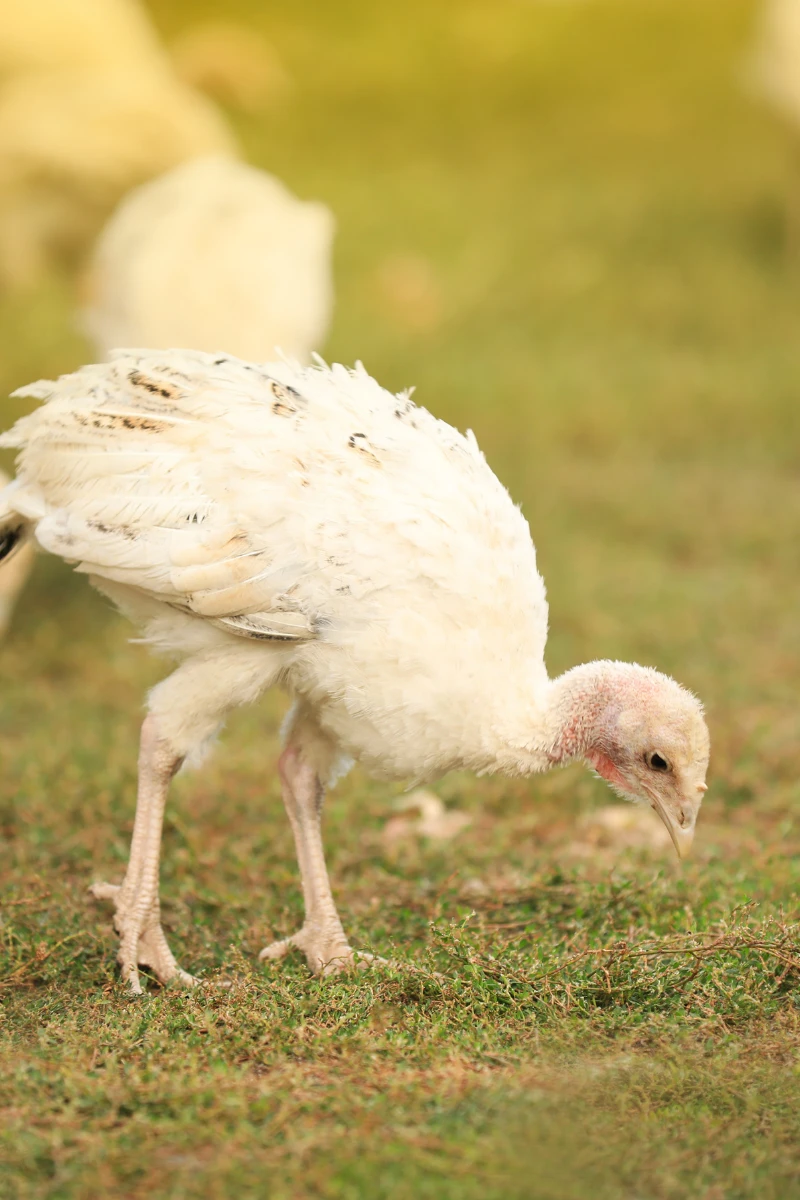

Broad-breasted turkeys grow fast, finish heavy, and put a lot of demand on their legs. That is the short answer to why leg problems in broad breasted turkeys are so common: their bodies can outpace their bone, tendon, joint, and foot support if feed, footing, space, heat, and handling are not managed carefully.
A healthy broad-breasted turkey should stand squarely, walk to feed and water without struggling, and spend part of the day moving around. A turkey that sits most of the time, limps, rocks back on its hocks, has swollen joints, slips on bedding, or cannot keep up with the flock needs attention right away. Some leg issues are management problems you can correct quickly. Others are injuries, infections, or developmental disorders that need a poultry veterinarian.
This guide is written for small homesteads raising broad-breasted turkeys for meat. It focuses on prevention first, because once a heavy bird is lame, recovery can be hard.
What You’ll Learn
Why Broad-Breasted Turkeys Have More Leg Trouble
Broad-breasted turkeys were developed for meat production. They are efficient birds, but that efficiency comes with tradeoffs. Compared with heritage turkeys, broad-breasted birds put on weight quickly and carry a heavy breast. That extra mass changes how much force goes through the legs every time the bird stands, walks, sits, or gets up.
If you are still deciding which type of turkey belongs on your place, read Heritage vs. Broad-Breasted Turkeys before ordering poults. Heritage birds grow slower and usually stay more mobile for longer. Broad-breasted birds are a better fit when your goal is a large table bird on a predictable schedule, but they need management that respects their growth rate.
Leg problems do not always mean you did something wrong. Genetics and rapid growth are part of the picture. Still, small management choices make a big difference. The goal is not to make a broad-breasted turkey act like a wild turkey. The goal is to keep that bird comfortable, able to reach feed and water, and safely supported until processing age.
Common Causes of Leg Problems in Broad Breasted Turkeys
Slippery Brooder Surfaces
The first preventable cause often starts in the brooder. Newspaper, cardboard with a slick surface, plastic, bare tubs, and wet bedding can make poults slide. That slipping can contribute to splayed legs, strained joints, weak stance, and poults that avoid moving because every step feels unstable.
Start poults on textured, absorbent footing. Pine shavings, clean straw over a grippy base, paper towels over shavings for the first day or two, or brooder mats can help them learn where feed and water are without skating around. Avoid cedar shavings and dusty bedding.
Penn State Extension notes that slick-surfaced materials like newspaper can cause serious leg injuries in young birds, and its turkey production guidance also emphasizes dry litter, proper brooding temperature, and adequate feeder and waterer access for growing poults. The full small-flock turkey guidance is a useful reference from Penn State Extension.
Wet Litter and Poor Foot Health
Wet litter is hard on feet, hocks, and air quality. Heavy turkeys spend plenty of time sitting, so their breast, hocks, and foot pads stay in contact with the bedding. If the bedding is damp around waterers, packed under roosts, or sour-smelling, it can irritate skin and create conditions where sores and infection are more likely.
Check the waterer area daily. If you can squeeze moisture out of bedding or smell ammonia at bird height, it is past time to refresh it. Put waterers on a stable platform, move them regularly, and add dry bedding before the pen gets sloppy.
Nutrition That Does Not Match Turkey Growth
Turkeys are not just oversized chickens. Poults need a turkey starter or game bird starter appropriate for their age, and growing turkeys need a feed plan that matches their development. A ration that is too low in protein, minerals, or vitamins can contribute to poor growth and weak legs. A ration that pushes growth too aggressively without enough movement and structure can also make heavy birds harder to manage.
Use a feed formulated for turkeys whenever possible, not layer feed, scratch grain, or mixed table scraps. Keep grit available when birds eat anything beyond commercial crumble or pellets. Do not dilute the ration heavily with treats, because fast-growing birds need balanced nutrition more than variety.
Merck Veterinary Manual explains that modern poultry lines place heavy demands on the skeletal system and that nutritional or husbandry problems can contribute to skeletal disease. It also notes that both infectious and noninfectious causes can be involved, which is why persistent lameness deserves proper diagnosis from a vet.
Too Little Space and Too Few Feeders

Crowding makes leg problems worse in two ways. First, birds do not move naturally when there is no room to spread out. Second, weaker birds get bumped, stepped on, or pushed away from feed and water.
If one turkey is always sitting near the wall while the others crowd the feeder, treat that as an early warning. Add another feeder or waterer, increase floor space, or separate the bird before it declines. The bird that cannot compete today may be the bird that cannot stand tomorrow.
For broader housing and flock planning, keep your setup generous and scale up as the birds grow. A pen that looked roomy at three weeks can feel tight at ten weeks. If you are building your whole turkey system from scratch, start with Raising Turkeys on Your Homestead so feed, shelter, fencing, and processing plans match the birds you ordered.
Early Signs to Watch For
Do a quick leg check every time you feed. You do not need a complicated exam. You need a consistent habit.
Look for:
- Limping or favoring one leg
- Sitting more than the rest of the flock
- Trouble rising from the ground
- Toes curling under or twisting outward
- Swollen hocks, joints, or foot pads
- Raw spots, scabs, or pressure sores
- Shaky stance or trembling legs
- A bird that is lighter than flockmates because it is not reaching feed
- Birds slipping near the feeder or waterer
- Sudden reluctance to walk in hot weather
A single mild limp after a bird startles may resolve with rest and better footing. A bird that cannot stand, will not eat, has swelling, has an open wound, or declines quickly needs veterinary help or humane decision-making. Heavy meat birds can go downhill fast once they stop reaching water.
How to Prevent Leg Problems Before They Start
1. Build the Brooder for Traction
Before poults arrive, set up the brooder with dry, grippy footing. Do not wait until you see slipping. Young poults are light, but early leg development matters.
Use a high-low thermometer at poult height, because poults that are too cold pile up and poults that are too hot dehydrate and weaken. Watch the birds more than the number. Comfortable poults spread out and move between heat, feed, and water. Cold poults huddle under heat. Hot poults move away and may pant or droop.
If you need the full setup list before poults arrive, What You Need Before Bringing Home Turkey Poults covers the early gear and prep that prevents a lot of brooder problems.
2. Keep Feed and Water Easy to Reach
A broad-breasted turkey should not have to climb, squeeze, or compete hard for food and water. Raise feeders and waterers as birds grow so they are easy to use but not constantly fouled with bedding. Add more stations before the flock looks crowded.
If one bird is lame, put feed and water close enough that it can drink without crossing the pen. Dehydration turns a manageable limp into an emergency.
3. Manage Growth Without Underfeeding
Do not starve broad-breasted turkeys to slow them down. That creates welfare and health problems of its own. Instead, use the right turkey ration, avoid excessive treats, provide room to move, and process on an appropriate schedule for the strain and your goals.
Some homesteaders let broad-breasted birds linger too long because they want more size. Past a certain point, more time may mean more leg strain, more heat stress, and more losses. Know your target processing window when you order poults, and build your calendar around it.
4. Give Heavy Birds Stable Ground
Mud, slick grass, loose tarps, steep ramps, and uneven pen floors all punish heavy turkeys. Broad-breasted birds do best with firm footing, dry bedding, and short, easy routes to the basics.
If you use a mobile shelter, move it before the ground is churned up. If you use a barn pen, keep bedding deep enough to cushion hocks but dry enough that it does not mat into wet slabs. If ramps are necessary, make them wide, low, and textured.
5. Reduce Panic and Piling
Turkeys can hurt themselves when they startle and pile into corners. This is especially true in brooders and tight grow-out pens. Keep lighting steady, move calmly, avoid dogs rushing the pen, and round off brooder corners for young poults.
Once birds are larger, do not chase them unless you must. Use panels, gates, or slow pressure to guide them. Broad-breasted turkeys are not built for sprinting away from you.
6. Separate Weak or Injured Birds Early
A lame turkey needs a small, clean recovery space where it can reach food and water without being trampled. Use deep bedding or a nonslip mat with bedding over it. Keep the bird within sight or sound of the flock when possible, because isolation stress can reduce eating.
Do not put a bird back into the main group just because it stood once. Watch whether it can walk, drink, and compete. If it cannot, it needs more support or a different plan.
When to Call a Vet
Call a poultry veterinarian or extension poultry specialist if you see sudden lameness in multiple birds, swollen joints, twisted legs, open foot wounds, paralysis, severe weakness, or birds that cannot stand. Also ask for help if you suspect a feed problem, because nutrition-related leg issues can affect the whole flock.
A vet may recommend checking the ration, reviewing brooder temperature, looking for bacterial infection, or examining a bird to distinguish injury from disease. That distinction matters. A management problem may need pen changes. An infectious problem may need diagnosis, biosecurity, and treatment decisions.
Practical Setup Checklist
Use this checklist before poults arrive and again before moving birds to grow-out housing:
- Turkey-specific starter feed is on hand.
- Brooder footing is textured and dry.
- Heat is measured at poult height, not waist height.
- Feeders and waterers are easy to find and not overcrowded.
- Bedding is deep, absorbent, and replaced when wet.
- Corners are rounded during the brooder stage.
- Grow-out pen has firm footing and enough room for heavy birds.
- Ramps are low, wide, and textured.
- Handling panels or gates are ready before birds get heavy.
- Processing date is planned before leg strain becomes likely.
Frequently Asked Questions About Leg Problems in Broad-Breasted Turkeys
Are leg problems normal in broad-breasted turkeys?
They are common, but you should not ignore them. Broad-breasted turkeys are heavier and faster-growing than heritage birds, so they need better footing, feed, space, and timing. Mild gait changes can become serious quickly.
Can a broad-breasted turkey recover from a limp?
Sometimes. If the limp is caused by slipping, minor strain, or competition, rest, dry bedding, better traction, and close feed and water access may help. If the bird cannot stand, has swelling, has wounds, or worsens, call a vet.
Should I give chicken feed to turkey poults?
Use turkey starter or game bird starter when possible. Turkeys have different nutritional needs than chickens, especially during early growth. Regular chick starter may not support fast-growing poults well enough.
Does wet bedding cause turkey leg problems?
Wet bedding can contribute to foot irritation, hock sores, slipping, ammonia exposure, and general stress. It is one of the easiest problems to prevent with daily waterer checks and fresh absorbent litter.
Do broad-breasted turkeys need roosts?
Large broad-breasted turkeys often do better with low, stable resting areas rather than high roosts. High roosts can increase the chance of hard landings and leg injuries as birds gain weight.