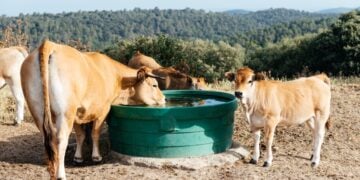

Few breeds generate the volume of search traffic that Mini Highland cattle do, and it is easy to see why. The shaggy coat, the sweeping horns, and the calm expression have turned this breed into a genuine social media phenomenon, and that popularity has pulled a lot of first-time buyers toward a decision they have not fully thought through. A Mini Highland is a real commitment on real acreage, not a large dog with horns, and the gap between the internet version of this breed and the homestead version of it is worth closing before you spend the money.
What You’ll Learn
What Exactly Is a Mini Highland Cow?
A Mini Highland is not a separate breed from the standard Scottish Highland. It is the same breed, selectively bred down in size over generations, carrying the same double coat, the same wide curved horns, and the same origins in the rugged terrain of the Scottish Highlands.
According to the American Highland Cattle Association, standard Highland cows average 900 to 1,200 pounds mature weight, with bulls running 1,500 to 1,800 pounds depending on forage conditions. A Mini Highland, by comparison, stands roughly 36 to 42 inches at the hip, which typically puts mature weight somewhere in the 500 to 700 pound range, depending on the specific bloodline and how aggressively it was bred down.
That size reduction does not change the breed’s temperament or hardiness. The AHCA describes Highlands as docile, calm, and easy to work with despite their prominent horns, and that holds true at mini scale. It also does not change their reputation for calving ease. Standard Highland calves are born small, typically 60 to 70 pounds, which means fewer birthing complications than most beef breeds, and mini calves follow the same pattern at an even smaller scale.

How Much Does a Mini Highland Cow Cost?
Expect to pay significantly more than the breed’s practical output would suggest. Mini Highlands regularly sell for $5,000 and up, with well-bred, correctly-sized animals from established breeders often running higher, especially for females with strong papers and a proven bloodline. This is almost entirely a demand-driven price rather than a reflection of raising costs, since a mini eats less and needs less space than a standard-sized cow of any breed.
If you are comparing this cost against other options, our guide to choosing cow breeds for milk, meat, or both breaks down purchase prices across the full range of breeds, and our miniature cow breeds guide covers how Mini Highlands stack up against Miniature Herefords, Miniature Jerseys, and other small-frame options.
Ongoing costs are lower than a standard cow but not dramatically so. A mini eats less pasture and hay per animal, but she still needs the same categories of care: fencing, water, minerals, and annual vet visits, all scaled down modestly rather than cut in half. Do not assume a mini is a budget option. She is a smaller animal at a premium price, which is a different thing.
Land, Fencing, and Shelter for a Mini Highland
Even at reduced size, a Mini Highland needs real pasture, not a large yard. Plan for roughly half the acreage a standard-sized cow would need, which in practice means one to two acres of well-managed pasture per animal in most regions, more in arid climates and less on high-quality rotational grazing systems. Cattle, regardless of size, are herd animals, and a single Mini Highland kept alone will become stressed and vocal. Plan for at least two, whether that means two Highlands or a Highland paired with another cattle breed she gets along with.
Fencing needs to be sized to the animal’s strength, not just her height. A Highland’s horns and coat make her look imposing, but she pushes on fence lines with the same determination as any bovine her actual weight, so undersized fencing rated for goats or sheep will not hold her. Standard cattle fencing, whether that is high tensile electric, woven wire, or well-maintained board fence, is the right category to plan for.
Shelter needs are genuinely modest. The double coat, a long coarse outer layer over a soft woolly undercoat, is what makes Highlands one of the most cold-tolerant cattle breeds in existence, and minis inherit the same trait. A three-sided run-in for wind and precipitation is usually sufficient even in harsh northern winters. The tradeoff shows up in hot climates: that same coat that shrugs off subzero temperatures becomes a genuine liability in heat and humidity, so if you are in the American South or a similarly hot region, plan for real shade, airflow, and possibly a summer shearing routine that Highland owners in colder states never have to think about.
Our guide to keeping livestock cool in the heat covers the practical side of managing that risk.
What Is a Mini Highland Actually Good For?
Mini Highlands are primarily kept as a beef and homestead-lifestyle animal rather than a dairy breed, and their beef yield reflects their size: modest compared to a standard beef breed, though the meat quality from a grass-finished animal is genuinely good. Most owners are drawn to the breed for its temperament, its striking appearance, and its practicality on acreage too small for a full-sized herd, rather than for maximum production per animal.
If dairy production or maximum beef yield per acre is your primary goal, a Mini Highland is probably the wrong choice. If a docile, cold-hardy, visually distinctive animal that fits comfortably on one to two acres is what you are after, and you are prepared to pay a real premium for that combination, the breed genuinely delivers on what it promises.
Grooming, Handling, and Living With the Horns
The coat that makes Highlands so recognizable also takes real, if infrequent, maintenance. It does not need daily brushing, but it does mat if left completely alone, particularly around the legs and belly where mud and burrs collect. Most owners brush every few weeks during shedding season in spring and leave it largely alone the rest of the year. A cattle scratching brush mounted in the pasture gives her a way to manage a good portion of that maintenance herself, and most Highlands use one enthusiastically.
The horns are the part that intimidates new owners most, and they deserve a level-headed answer. Female Highland horns are upswept and comparatively fine, while bull horns are heavier and more forward-pointing, and either way they are a real consideration around fencing, gates, and trailer loading, since a horned animal needs more clearance than a polled one.
That said, the breed’s well-earned reputation for a calm, unhurried temperament is precisely why so many families choose it despite the horns. A well-handled Mini Highland, worked with consistently from a young age, is genuinely one of the easier cattle breeds to manage day to day, horns included. What matters more than the horns themselves is consistent, calm handling from the start, since a spooked or poorly socialized animal of any size is harder to manage than a large one with good ground manners.
Common Mistakes First-Time Mini Highland Owners Make
The most common mistake is buying on appearance alone without confirming the animal’s actual height and bloodline from a reputable breeder, since the mini Highland market has attracted its share of sellers pricing standard-sized or poorly-documented animals at premium mini prices. Always ask for hip height measurements and registration papers, not just photos.
The second most common mistake is underestimating land and fencing needs because the animal looks small. A Mini Highland is still several hundred pounds of determined livestock, and treating her infrastructure needs like a large pet’s rather than a cow’s leads to escaped animals and damaged fences within the first season.
The third is buying a single animal. Highlands, mini or standard, are herd animals, and an isolated cow of any size becomes a management problem, not a low-key homestead addition.
Frequently Asked Questions
How big does a Mini Highland cow get?
A Mini Highland stands 36 to 42 inches at the hip, roughly half the height of a standard Highland, with mature weight typically falling between 500 and 700 pounds depending on the specific bloodline.
How much does a Mini Highland cow cost?
Mini Highlands regularly sell for $5,000 and up, with well-bred animals from established breeders often running higher. This price reflects demand for the breed rather than any real difference in what it costs to raise one.
How much land does a Mini Highland cow need?
Plan for roughly one to two acres of well-managed pasture per animal in most regions, about half of what a standard-sized cow would need. Highlands are herd animals, so plan for at least two, not one.
Are Mini Highland cows good in hot weather?
Not without help. Their double coat makes them exceptionally cold hardy but a real liability in heat and humidity, so owners in hot climates need to plan for shade, airflow, and possibly a summer shearing routine.
Do Mini Highland cows need a lot of grooming?
No. The coat mats if completely ignored, particularly around the legs and belly, so most owners brush every few weeks during spring shedding season and otherwise leave it alone. A scratching brush in the pasture helps her manage the rest herself.