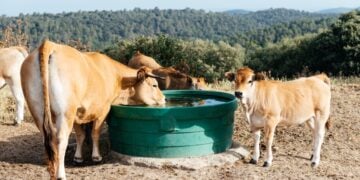

Buying your first cow is exciting, but it is also one of those purchases where patience can save you years of trouble. A calm animal with a glossy sale photo may still bring health, fertility, fencing, or handling problems home with her. Before money changes hands, decide what you need the cow to do, watch her move, ask for records, and make room in the budget for the equipment and veterinary care that come after the purchase.
A first cow should fit your land and your plans. The right animal for a family milk cow is different from the right animal for a small beef herd. Either way, you are buying more than a cow. You are bringing home a large herd animal that needs companionship, safe fencing, a handling system, steady water, feed, minerals, and a veterinarian who will answer when something goes wrong.
Decide What You Need the Cow to Do
Start with the job. Are you buying a bred beef cow, a replacement heifer, a family milk cow, a steer for beef, or an animal you hope to breed later? That answer changes the questions you need to ask and the records you need to see.
For a breeding female, ask for her age, calving history, breeding dates, pregnancy status, and any history of difficult births. Find out why she is being sold. A cow that repeatedly stayed open, needed help calving, or lost calves may be leaving the herd for a reason that will follow her to your farm. If she is represented as bred, ask whether a veterinarian confirmed the pregnancy and on what date.
For a dairy cow, ask about current milk production, lactation number, mastitis history, milking routine, and whether she stands calmly for hand or machine milking. Look at all four quarters of the udder. Extra teats can occur, especially in beef cattle, but the four functional quarters should be healthy and free from obvious swelling, heat, injury, or severe imbalance.
If you have limited acreage, think carefully about mature size and feed demand. Our guide to the best animals for a small homestead includes miniature cattle, but smaller cattle still need dependable pasture, winter feed, shelter, and cattle strength fencing.
What You’ll Learn
What Does a Healthy Cow Look Like Before You Buy Her?
Give yourself enough time to watch the cow without the seller rushing her through a gate. A healthy cow should appear alert and interested in her surroundings. Her eyes should be clear and bright. Her breathing should be smooth, without repeated coughing, nasal discharge, rasping, or obvious effort through the sides.
Ask to see her walk on firm, level ground. She should track straight and place weight evenly on all four feet. A short stride, arched back, head bob, hesitation on one leg, or a hip that rises sharply with each step can point to pain or lameness. Check for long, curled, cracked, or uneven hooves. Hoof problems are expensive enough in an animal you already own. They are a poor surprise in one you just bought.
Look at body condition rather than body size alone. A useful beef cow should carry enough flesh that her ribs, spine, hooks, and pins are not sharp and prominent, but an overfat cow can have problems too. Penn State Extension recommends an average body condition score of five to six for breeding beef females. A thin cow may simply need better groceries, but weight loss can also signal parasites, dental problems, chronic disease, or poor feed efficiency.
The coat should be smooth for the season. A rough coat by itself does not diagnose a disease, especially during shedding, but it belongs in the larger picture. Check the skin for bald patches, heavy lice, crusting, wounds, and swelling. Manure varies with forage, grain, stress, and water intake. You are looking for the whole animal, including appetite, rumen fill, hydration, posture, and behavior, rather than trying to make a purchase decision from one manure pile.

Temperament Matters More Than a Bargain Price
A cow can hurt a person without being mean. She may be frightened, protective of a calf, unused to people, or simply too strong for the setup in front of her. Watch how she reacts when the seller enters the pen, moves her through a gate, and separates her from the herd. A manageable cow may be watchful, but she should settle when pressure is removed.
Red flags include charging, striking, repeated attempts to jump or climb fences, frantic pacing, and spinning to face the handler. Ask whether she has been handled in an alley and squeeze chute. Ask how she loads into a trailer. Do not assume a twelve hundred pound animal can be halter trained after she arrives and then led wherever you need her to go.
Cody Deluisio, herd manager at Deluisio Angus and a member of the American Angus Association and Pennsylvania Cattlemen’s Association, has worked with dairy, beef, seedstock, and pet cattle. His warning to new buyers is plain: “The biggest red flag for a first time cattle buyer is a deal. If an animal is a really good deal, it likely is a problem animal in some way.”
That does not mean every fairly priced cow is sound or every low priced cow is sick. It means the price should make sense for her age, breeding status, records, condition, and the local market. When it does not, keep asking questions.
Ask for Records Before You Agree to Buy
Good sellers keep records and are willing to talk through them. Ask for the animal’s permanent identification, birth date or estimated age, vaccination dates, deworming history, disease testing, reproductive history, calving record, and any current medication withdrawal period. If she is registered, match the tattoo or tag to the registration papers and confirm how ownership will be transferred.
Vaccination needs vary by region, herd purpose, age, and pregnancy status. A broad cattle program often includes respiratory and clostridial protection, but the right product and timing need to come from a veterinarian who knows your herd. Modified live vaccines can carry special considerations around breeding and pregnancy, so do not give a newly purchased cow whatever bottle happens to be in the refrigerator.
Ask about the source herd too. How long has the seller owned the animal? Has the herd had recent abortions, scours, respiratory disease, or unexplained weight loss? Are purchased animals brought into that herd often? A closed herd with consistent health records presents a different risk than cattle assembled from several auctions.
The American Angus Association's performance records show the kind of information established breeders may track, including parentage, birth and weaning weights, calving ease, docility, foot scores, and udder scores. You may not need every data point for one homestead cow, but records help you separate a known animal from a guess.
Which Disease Tests Should You Request?
There is no universal test panel for every cow in every state. Your veterinarian should help select tests based on the animal’s age, source, intended use, pregnancy status, and the diseases present in your area.
Two diseases worth discussing before purchase are bovine viral diarrhea, usually called BVD, and Johne’s disease. A persistently infected BVD animal can look normal while shedding virus. Johne’s disease may remain hidden for years before chronic weight loss and diarrhea appear. Test results need context, and a single negative result does not erase every risk, so ask about the health program of the entire source herd.
Breeding cattle may need additional testing. Bulls should have a current breeding soundness exam, and testing for trichomoniasis may be required or advisable depending on age, breeding history, and state rules. Dairy animals may need testing tied to milk sales or interstate movement. Ask about a certificate of veterinary inspection and current import requirements before buying across state lines.
Penn State Extension advises buyers to consider disease risk before purchase and, where possible, test newly purchased livestock two to four weeks before transport. Your veterinarian can turn that general advice into a plan for the animal in front of you.
Line Up a Large Animal Veterinarian Early
Do not wait until a cow is down to begin calling clinics. Large animal practices do not serve every address, and some are not accepting new clients. Deluisio says he called more than forty veterinarians before finding one who could take his herd. That search is much easier before an emergency.
Call prospective clinics while you are still shopping. Ask whether they cover your location, provide emergency calls, perform pregnancy checks and herd testing, and require an established veterinary client relationship before offering urgent care. Tell them what kind of cattle you plan to keep and ask what vaccines, tests, and arrival protocol they recommend.
If you are new to cattle, pay a veterinarian or experienced cattle producer to inspect the animal with you. Cattle can hide illness until they are in serious trouble. A second set of practiced eyes can catch a limp, abnormal breathing, poor udder, bad disposition, or questionable record that excitement makes easy to overlook.
Make Sure Your Property Is Ready for Cattle
The purchase price may be the smallest cattle expense you face that month. Before the cow comes home, you need secure perimeter fencing, a quarantine area, reliable water, feed storage, shelter appropriate to your climate, and a safe way to catch and restrain her.
Our guide to cattle fencing that will hold a cow covers the strength and layout these animals require. Walk the entire fence before pickup day. Repair loose wire, weak corners, sagging gates, and spaces where a cow can push under or reach through. A new arrival may pace the boundary while calling for her old herd, which tests every weak place at once.
A basic handling system needs more than a gate and a rope. Plan for a sturdy catch pen, alley, and squeeze chute or secure head gate. The setup should let a veterinarian examine, vaccinate, test, and treat the cow without putting people in the crush zone. If you cannot handle the animal safely, routine care becomes an emergency each time.
Set out the feed and minerals she will need, but learn what she has been eating before making a sudden change. Ask the seller for several days of the same hay or ration when possible. Cattle need species appropriate minerals, and our guide to minerals for cattle and other livestock explains why mixed species farms need extra care when choosing a product.
Fresh water must be ready before unloading. In hot weather, transport and a new environment add stress, so review the signs in our guide to keeping cattle and other livestock cool. Shade, air movement, and more than one dependable water source matter from the first day.
Quarantine a New Cow for at Least 30 Days
Keep the new animal separate from your established livestock for at least thirty days, or longer if your veterinarian recommends it. Good quarantine prevents nose to nose contact and keeps waterers, feed tubs, manure tools, and handling equipment separate. Care for the home herd first and the new arrival last, then clean boots and tools before using them elsewhere.

Use the quarantine period to watch appetite, manure, breathing, gait, temperature when indicated, and general behavior. Schedule the veterinary visit early enough that test results return before the cow joins the herd. This is also the time to confirm pregnancy, check parasites, review vaccination records, and make measured changes to feed.
One cow should not live alone permanently. Cattle are herd animals, and isolation causes stress. Quarantine is a temporary health measure. Plan for compatible cattle companionship once the newcomer has cleared the arrival protocol.
A First Cow Buying Checklist
Before paying a deposit, confirm these points:
- The cow’s age, identification, ownership, and reason for sale match the seller’s records.
- Her temperament is manageable in the facilities you have.
- She walks soundly and has healthy feet, eyes, breathing, coat, udder, and body condition.
- Breeding, calving, vaccination, testing, and treatment records are available in writing.
- Your veterinarian has reviewed the disease testing and arrival plan.
- Your fences, water, feed, shelter, quarantine pen, trailer access, and handling system are ready.
- The budget still works after hay, minerals, veterinary care, equipment, and possible repairs are included.
Walk away if the seller will not let you see the cow move, refuses basic records, changes the story, pressures you to pay immediately, or cannot safely handle the animal. There will be another cow. Fixing the wrong purchase can take far longer than finding the right one.
Buying your first cow should leave you with a useful animal and a workable plan, not a mystery standing behind a weak gate. Bring someone experienced, ask blunt questions, and give yourself permission to go home with an empty trailer. If you have bought cattle before, tell us which question or inspection saved you from a bad purchase.
Frequently Asked Questions About Buying Your First Cow
What should I look for when buying my first cow?
Look for clear eyes, smooth breathing, sound movement, healthy feet, suitable body condition, a manageable temperament, and complete health and breeding records. Watch the cow in person and have a veterinarian or experienced cattle producer help inspect her.
What disease tests should I ask for before buying a cow?
Ask your veterinarian whether the cow should be tested for BVD, Johne’s disease, parasites, and reproductive diseases based on her source, age, use, and location. Bulls and interstate purchases may require additional examinations or paperwork.
How long should a new cow be quarantined?
Quarantine a new cow for at least thirty days unless your veterinarian recommends a longer period. Prevent contact with the home herd, use separate feed and water equipment, and complete testing before introduction.
Is it safe to buy a cow at an auction?
Auction cattle can be harder to evaluate because their history, health records, and reason for sale may be incomplete. A beginner will usually have more information and follow up support when buying directly from a reputable breeder who knows the animal.
Do I need a squeeze chute for one cow?
You need a safe way to restrain cattle for examinations, testing, vaccination, and treatment. A properly designed alley and squeeze chute or secure head gate protects the animal, the handler, and the veterinarian, even when you own only one or two cows. ## Image Plan **Featured image:** Healthy Angus cow standing calmly in a farm lane while a cattle owner observes from a safe distance. **Featured alt text:** Buying your first cow by checking body condition, legs, eyes, and temperament before purchase. **Body image 1 placement:** Under What Does a Healthy Cow Look Like Before You Buy Her? **Body image 1 alt text:** Cattle buyer watching a beef cow’s stance, hooves, and movement in a safe handling pen. **Body image 2 placement:** Under Quarantine a New Cow for at Least 30 Days **Body image 2 alt text:** Newly purchased cow in a separate quarantine paddock with its own water and the home herd in the distance.