
Key Takeaways
The Short Answer
The easiest way to handle freezer meal prep fall soups is to choose a few sturdy recipes, cook them in large batches, cool them quickly, portion them into meal-sized containers, label them clearly, and freeze them flat or stacked so you can actually find them. Focus on soups and stews that improve with time: chili, bean soup, chicken and vegetable soup, beef stew, lentil soup, sausage and kale soup without the cream, tomato-based vegetable soup, and broth-heavy bases you can finish later.
Do not fill your freezer with fussy meals that need perfect texture. Fall freezer cooking should make cold evenings easier. It should give you something warm after evening chores, something simple when everyone is tired, and something useful when weather or schedules interrupt the dinner plan.
Build a Freezer Plan Before You Cook
A freezer meal day can go sideways fast if you start with enthusiasm and no plan. Before you chop onions, decide what kind of meals your household actually eats in October, November, and December. Soup is useful only if it matches your real life.
Start with three questions. How many people are you feeding? How many nights a week do you want freezer help? Do you need full meals, lunch portions, or starter bases? A household with teenagers may need quart containers and bread on the side. A couple may want pint portions for lunches. A homestead family with late chores might need a mix of both.
Then check your freezer space. Pull out mystery bags, old stock, freezer-burned vegetables, and unlabeled containers. Make a quick inventory before adding more. If you find jars of broth, cooked beans, tomato sauce, or shredded meat, build your soup plan around what is already there.
This is where a simple pantry system pays off. Waddle and Cluck’s beginner pantry staples guide pairs well with freezer cooking because soups and stews depend on humble basics: beans, broth, tomatoes, rice, barley, onions, carrots, garlic, herbs, and salt.
Choose Soups and Stews That Freeze Well
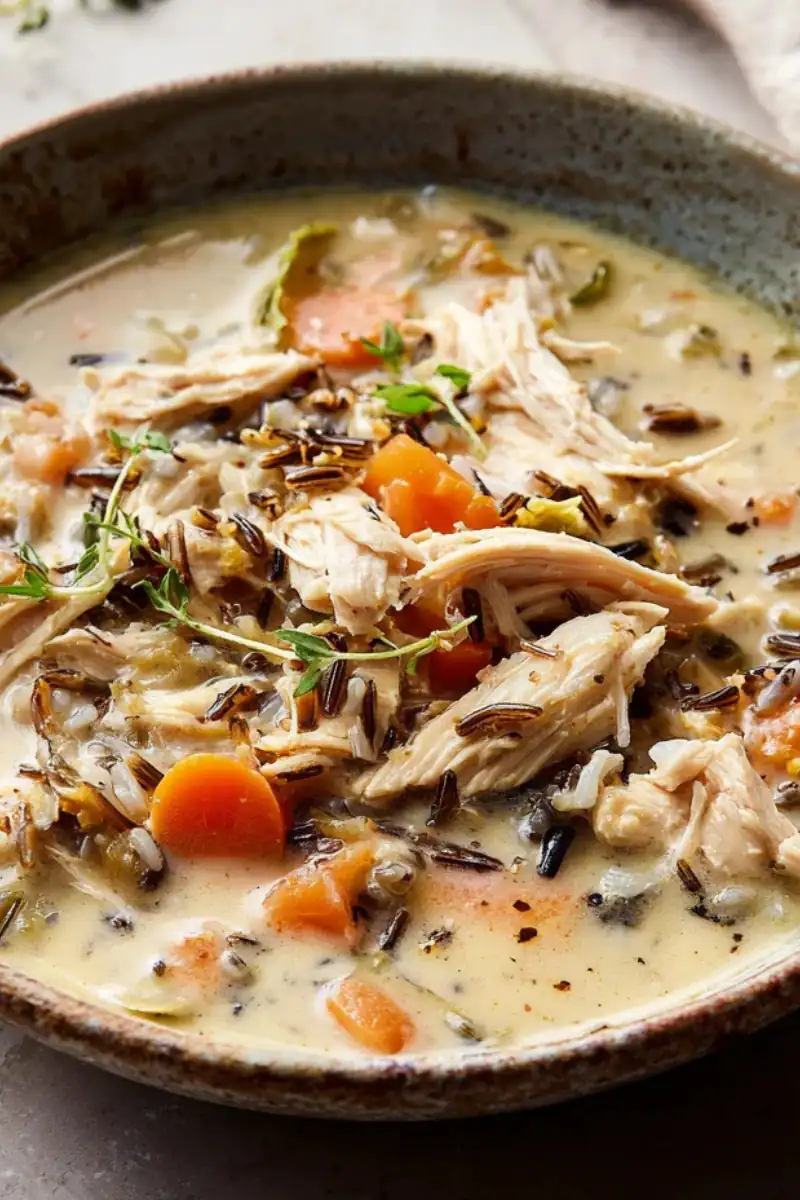
The best freezer soups are sturdy. Broth-based soups, bean soups, chili, lentil soup, split pea soup, tomato vegetable soup, shredded chicken soup, beef stew, and many curry-style stews freeze well. They can handle reheating without falling apart.
The trickier options are creamy soups, potato-heavy soups, pasta soups, rice soups, and anything with delicate greens. They are not impossible, but they need a strategy. Cream can separate. Potatoes can turn grainy. Pasta and rice can absorb too much liquid. Spinach can go limp and dark. If you love these soups, freeze the base and add the sensitive ingredients later.
For example, freeze chicken soup with broth, chicken, carrots, celery, onion, herbs, and seasoning. Add noodles when you reheat. Freeze potato soup before adding cream, then blend and finish with dairy at the end. Freeze sausage and kale soup without the greens and stir fresh kale in during reheating.
If you want a comforting ready-made option for your rotation, Waddle and Cluck’s cabbage roll soup is the kind of hearty, practical soup that belongs in a fall meal plan.

Batch Cook Without Wearing Yourself Out
A productive freezer meal day does not have to mean cooking for ten straight hours. In fact, smaller batches are often better because you make fewer mistakes and clean up faster. Pick two soup bases and one stew, or one giant pot of chili plus broth and cooked shredded meat.
Use shared ingredients to save time. Chop a big pile of onions, carrots, celery, and garlic. Brown meat once and divide it. Cook beans ahead or use canned beans when that is the difference between doing the project and skipping it. Roast squash or tomatoes while a soup simmers. Let the oven and stove work together.
A practical fall freezer session might look like this:
- Pot 1: chicken vegetable soup base.
- Pot 2: beef and barley stew.
- Slow cooker: chili.
- Sheet pan: roasted squash for future soup.
- Stockpot: broth from bones, vegetable scraps, or a chicken carcass.
Do not over-season everything at once. Freezing and reheating can concentrate flavors, and some spices bloom over time. Season to good, not aggressive. You can always add vinegar, salt, herbs, cream, lemon, hot sauce, or cheese when serving.
Cool Soup Safely Before Freezing
Food safety matters more than a pretty freezer shelf. Big pots of soup hold heat for a long time. If you put a full hot stockpot straight into the refrigerator or freezer, it can stay warm too long and warm up nearby food.
USDA FSIS leftover safety guidance emphasizes cooling, refrigerating, freezing, and reheating leftovers safely, which is a useful reminder to label dates and rotate freezer soups instead of letting them become mystery meals. Cool soups quickly by dividing them into shallow containers, setting the pot in an ice bath, stirring often, or using smaller metal bowls before packaging.
Package when the food is cool enough for your containers and freezer setup. Leave headspace because liquids expand as they freeze. If using freezer bags, set them on a rimmed baking sheet until frozen flat. Once solid, stand them upright like files or stack them in bins.
Pick Containers You Will Actually Use
The best freezer container is the one that fits your freezer, your serving size, and your reheating habits. Freezer bags are excellent for flat storage. Wide-mouth freezer-safe jars work well for broth and single servings if you leave enough headspace. Plastic deli containers are practical if they seal tightly and stack well. Silicone freezer trays are useful for broth cubes, sauce portions, and baby-step meal starters.
Avoid mystery containers with loose lids. Avoid glass jars that are not freezer-safe. Avoid filling containers to the very top. Avoid freezing a gallon of soup if your household usually needs two servings at a time.
Label every container with the name, date, and finishing instructions. A good label says more than “soup.” Write “chicken veg soup base – add noodles” or “beef stew – thaw overnight.” This is a gift to your future tired self.
A sturdy freezer setup also depends on storage tools. Waddle and Cluck’s best storage solutions for preserving your harvest has useful ideas for keeping food organized instead of buried.
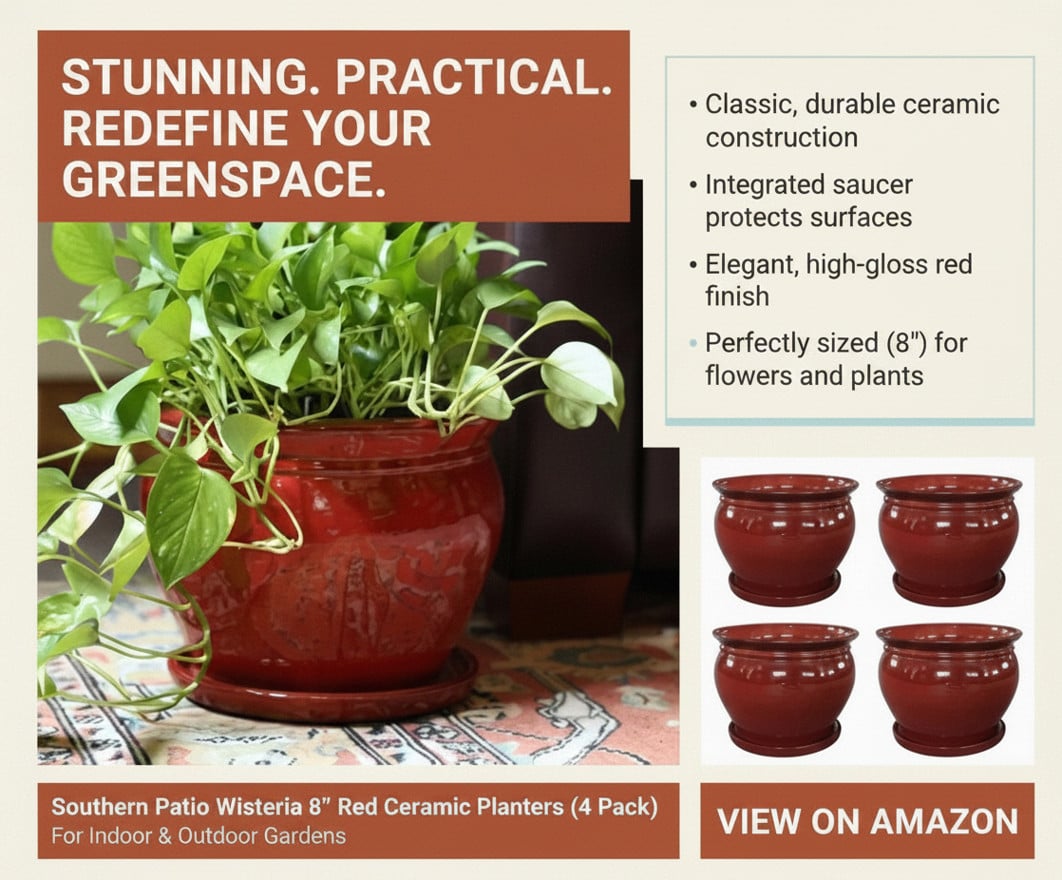
BPA Free Airtight Lids Ideal for Lunch Meal Prep & Leftovers Set of 5 (3.2 Cup)

Make a Fall Soup Freezer Menu
If you are not sure where to start, build a menu around five freezer-friendly categories.
First, make one brothy chicken soup base. Keep it simple with chicken, carrots, celery, onion, garlic, herbs, and broth. Add noodles, rice, dumplings, or greens when reheating.
Second, make one bean-based soup or chili. Beans freeze well, stretch meat, and turn pantry basics into real meals. Chili also reheats beautifully after a long day outside.
Third, make one stew. Beef stew, venison stew, chicken stew, or lentil stew gives you a thicker meal for cold nights. Hold back potatoes if you dislike their freezer texture, or cut them larger and accept a softer result.
Fourth, freeze one vegetable-heavy soup. Tomato vegetable, minestrone without pasta, roasted squash base, cabbage soup, or garden clean-out soup can use up fall produce before it fades.
Fifth, freeze broth. Broth is not a full dinner, but it is the start of many dinners. Freeze it in quarts for soup and in smaller portions for sauces, rice, beans, and skillet meals.
If you need a familiar comfort-food direction, a homemade chicken noodle soup base is a good model. Freeze the broth, chicken, and vegetables; add noodles when serving.
Thawing and Reheating Without Ruining Texture
The easiest method is to thaw soup overnight in the refrigerator, then reheat it gently on the stove. If you froze soup flat in bags, it will thaw faster than a deep block. If you forgot to thaw, you can often run the outside of the container under cool water just long enough to release the frozen block, then reheat slowly in a covered pot.
Stir often as it heats. Add extra broth or water if the soup thickened in the freezer. Add pasta, rice, cream, milk, cheese, tender greens, fresh herbs, or lemon near the end. Taste before serving. Freezer meals often need a small finishing touch to wake them up.
Do not repeatedly thaw and refreeze family-size containers. Portion before freezing so you only thaw what you need. This improves safety, texture, and convenience.
A Simple Fall Freezer Soup Workflow
Use this sequence when you need a no-drama cooking day.
- Inventory freezer and pantry.
- Choose two or three sturdy soups or stews.
- Chop shared vegetables first.
- Cook meat, beans, broth, and vegetables in batches.
- Hold back pasta, rice, cream, and delicate greens.
- Cool food quickly in shallow containers or an ice bath.
- Portion into realistic serving sizes.
- Label with name, date, and finishing notes.
- Freeze flat or stack neatly.
- Add meals to a freezer inventory sheet.
Frequently Asked Questions About Freezer Meal Prep for Fall: Soups and Stews to Stock Now
What soups freeze best for fall meal prep?
Broth-based soups, bean soups, chili, lentil soup, tomato vegetable soup, chicken soup bases, and hearty stews usually freeze best. Creamy soups and pasta soups need more care.
Can I freeze soup with pasta or rice?
You can, but the texture often gets soft because pasta and rice keep absorbing liquid. For best results, freeze the soup base and add pasta or rice when reheating.
How long should I keep soup in the freezer?
For best quality, use most frozen soups and stews within a few months. Label dates clearly and rotate older meals first.
Can I freeze soup in glass jars?
Only use freezer-safe jars, leave headspace, cool the soup first, and avoid narrow shoulders that can crack as liquid expands. Wide-mouth jars are safer than narrow jars.
How do I keep freezer soup from tasting flat?
Add finishing flavor after reheating. A splash of vinegar, lemon juice, fresh herbs, cream, cheese, black pepper, or hot sauce can make a frozen soup taste fresh again.