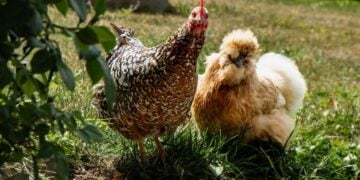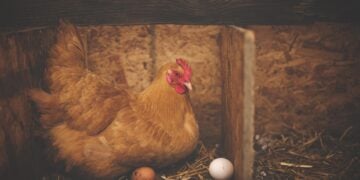

Starting a backyard flock sounds simple enough: build a coop, bring home a few hens, and wait for the eggs. The chickens themselves quickly reveal the rest of the job. They need protection before sunset, clean water when the weather is miserable, room to get away from a bossy flock mate, and somebody who notices when one bird is standing a little too quietly in the corner.
None of that means chickens are too difficult for a beginner. It means the easiest first flock begins with a finished system instead of a box of chicks and a weekend spent scrambling. If you make the big decisions before the birds arrive, the daily work settles into a steady rhythm.
This guide walks through those decisions in the order I would make them now: rules, goals, flock size, breeds, housing, food, health, and the daily routine that keeps small problems small.
Use this as the before-the-birds-arrive action plan. When a question needs more room, the complete guide to raising backyard chickens is the deeper reference. The hard-won side of the story lives in what I wish I knew before getting hens.
CDC recommends buying chicks from a USDA-NPIP-participating hatchery, keeping poultry supplies outside, and separating new birds for at least 30 days. Those details are not the glamorous part of chicken keeping, but they belong in the plan from the beginning.
Key Takeaways
Before You Bring Home the First Chicken
Start with the part most people would rather skip: find out whether you are allowed to keep chickens. City and neighborhood rules may limit the number of birds, ban roosters, require setbacks from property lines, or spell out how feed and manure must be stored. Check the actual ordinance instead of relying on what a neighbor remembers.
Then decide what you want from the flock. A family hoping for a modest supply of eggs needs a different flock than someone who wants broody hens, colorful eggs, exhibition birds, or dual-purpose breeds. Your goal affects breed choice, flock size, feed costs, and the amount of housing you need.
It also helps to picture an ordinary Tuesday, not the first exciting week. Chickens need care every day. Who will open and close the coop, refresh frozen water, gather eggs, and check the birds when you are sick or away? A backup caretaker is part of the setup, just like the feeder.
How Many Chickens Should a Beginner Start With?
Chickens are social animals, so one lonely hen is not a good starting point. For many backyards, three to six hens is a practical first flock. That is enough for normal flock behavior without turning every bag of feed and every muddy week into a large operation.
Do not choose the number from egg math alone. Hens do not lay at the same rate all year, and production changes with age, daylight, molt, stress, and health. A hen advertised as a heavy layer is still a living animal, not a vending machine.
Your coop and run should set the upper limit. Crowding makes litter wetter, bullying harder to escape, and air quality more difficult to manage. If the housing comfortably fits four birds, bringing home eight small chicks because they fit in the brooder only postpones the problem.
Choosing Chicken Breeds That Fit Your Yard
Breed lists love to rank chickens by egg totals, but production is only one piece of the decision. Temperament, climate tolerance, body size, noise, broodiness, flightiness, and availability matter just as much in a backyard flock.
Calm, dependable choices
Plymouth Rocks, Australorps, Sussex, and many Orpington varieties are popular with beginners because they tend to be sturdy, useful birds with manageable temperaments. Rhode Island Reds can be excellent layers, although individual lines and individual hens vary. Leghorns are productive and efficient, but they are often more active and alert than the heavy, easygoing breeds.
If children will help with chores, choose for calm behavior rather than egg color. If summers are brutal, look for heat-tolerant birds with larger combs and lighter bodies. In long, cold winters, heavier breeds with smaller combs may be easier to manage, although every flock still needs dry shelter and good ventilation.
Buy healthy birds from a responsible source
A reputable hatchery, breeder, or local farm should be willing to tell you the birds’ age, breed, sex, vaccination history, and health background. For chicks, a USDA National Poultry Improvement Plan source adds disease-monitoring safeguards at the hatchery level. Avoid impulse purchases when you do not know what the birds are or whether your brooder is ready.
Build the Coop and Run Before the Birds Arrive
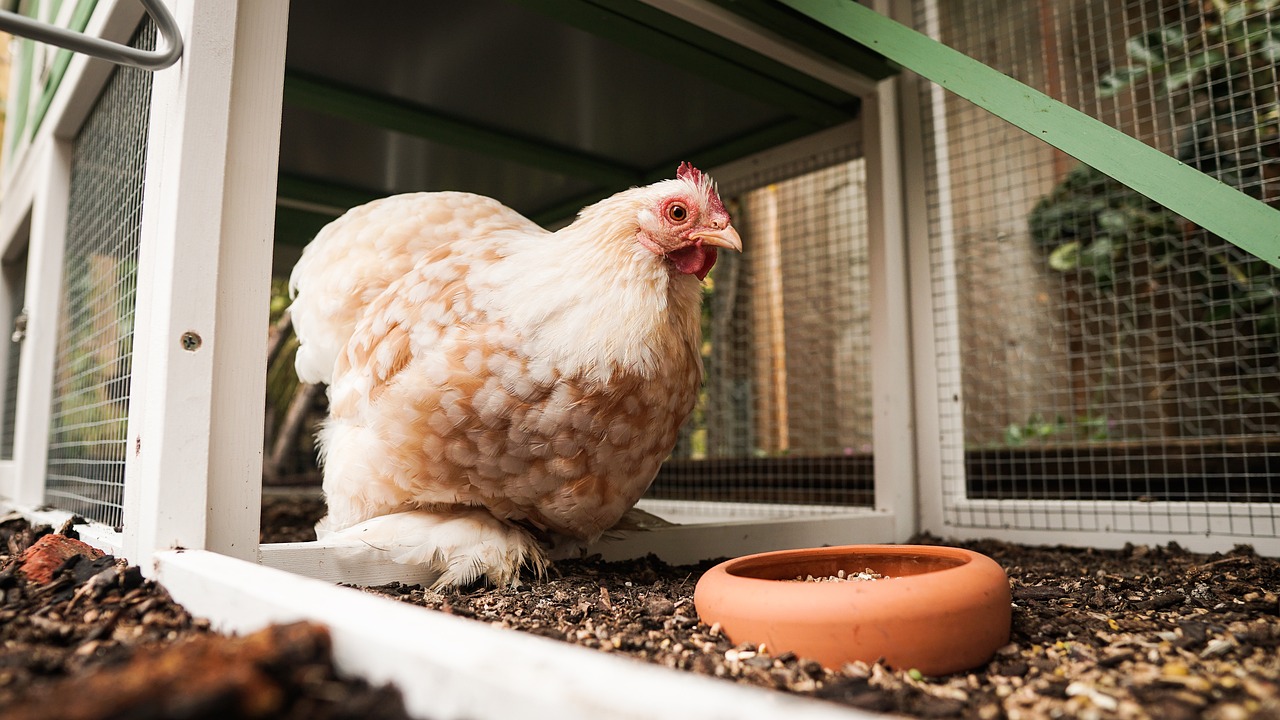
A good coop does four jobs: it keeps chickens dry, gives them clean air without a draft blowing across the roost, provides a safe place to sleep and lay, and keeps predators out. It does not need to look like a tiny farmhouse. It needs to work at dusk in the rain when you are carrying a waterer in one hand.
Plan enough room for the birds to move without crowding, and give them more space when the flock will spend long stretches confined. Common starting guidelines are roughly four square feet per standard chicken inside the coop and ten square feet in the run, but climate, bird size, layout, and time outside all affect what is comfortable. More usable space is rarely regretted.
Ventilation belongs above the roost
Moisture from breath and manure builds up quickly in a closed coop. High vents let warm, damp air escape while solid walls protect roosting birds from direct wind. If you smell ammonia at chicken height, the birds have already been breathing it. Remove wet litter and improve airflow instead of trying to cover the smell.
Predator protection needs layers
Chicken wire contains chickens. It is not enough by itself to stop every predator. Use sturdy small-mesh hardware cloth over vulnerable openings, attach it with screws and washers or another strong fastening system, secure doors with latches a clever raccoon cannot work, and close gaps at corners and rooflines.
Think about digging and climbing as well as reaching. An outward apron of hardware cloth can discourage animals from digging at the edge of a run. A roof or secure overhead covering helps with climbing and aerial predators. The coop should still provide a locked nighttime space even if the daytime run feels secure.
Make the coop easy for you to use
You will clean more consistently when you can reach the floor, remove bedding, and scrub equipment without folding yourself in half. Put nest boxes where eggs are easy to collect. Make doors wide enough for the tools you use. Place the feeder and waterer where chickens cannot roost over them.
Feed and Water Without Making It Complicated
Use a complete commercial feed made for the birds’ age and stage. Chicks need chick starter. Growing birds need an appropriate grower ration. Laying hens need a balanced layer feed or another complete ration with calcium offered correctly. A feed label is more useful than a bucket full of internet remedies.
Treats, scratch grains, mealworms, and kitchen scraps should stay small enough that they do not replace balanced feed. Chickens will happily fill up on the least nutritious option first. If they eat whole grains or forage without access to suitable stones, offer insoluble grit. Laying hens can have oyster shell in a separate container so each bird takes what she needs.
Water deserves the same attention as feed. Keep it clean, shaded in hot weather, and unfrozen in winter. Check more than once a day during temperature extremes. A tipped or empty waterer can become an emergency faster than an empty feeder.
Bringing Chicks or Adult Birds Home
Starting with chicks
Chicks need a secure brooder with reliable warmth, dry bedding, chick starter, clean water, and enough room to move away from the heat. Watch their behavior rather than trusting a single thermometer reading. Chicks piled tightly under the heat are cold. Chicks pressed to the far edges may be too hot.
Heat sources must be installed safely. Brooder plates are a practical option for many small flocks. If you use a heat lamp, secure it independently in more than one way and keep it away from dust, bedding, and anything flammable. Chickens create an astonishing amount of dust.
Starting with pullets or hens
Started pullets skip the fragile brooder stage and may suit a beginner who mainly wants laying hens. Adult birds still need a health check and a quarantine plan. Keep newcomers separate from an existing flock for at least 30 days, care for the established flock first, and avoid sharing equipment between groups.
Introductions should be gradual. Let birds see one another through fencing before sharing space. Add more than one feeder and waterer so lower-ranking hens cannot be blocked. Expect some pecking-order behavior, but intervene if a bird is being cornered, injured, or kept away from food and water.
The Daily and Weekly Rhythm of a Backyard Flock
Chicken care is easier when it becomes a short, repeatable inspection instead of a list of emergencies. Morning and evening checks catch most problems while they are still manageable.
- Every morning: count the birds, open the secure area, check feed and water, look for wet bedding, and notice whether anyone is moving or breathing differently.
- During the day: gather eggs, remove broken eggs, and check water again during heat or freezing weather.
- Every evening: count everyone again, make sure the birds are inside, and lock the coop securely.
- Each week: clean feeders and waterers, refresh bedding as conditions require, inspect fencing and latches, and look closely for mites, injuries, or weight loss.
- Seasonally: check ventilation, shade, drainage, storm damage, and the spots where predators have started testing the setup.
A written count is useful when several people share chores. “The chickens looked fine” is less helpful than knowing one hen did not come to roost.
Health and Biosecurity Basics
Healthy chickens are alert, interested in food, and moving with the flock. Learn what normal looks like for your birds. A hen that isolates herself, closes her eyes, stops eating, limps, breathes noisily, or changes posture deserves a closer look.
Keep dedicated coop shoes outside, wash your hands after handling birds or equipment, and clean poultry supplies outdoors rather than in a kitchen or bathroom sink. Chickens can carry Salmonella and other germs while looking completely healthy. Small children, older adults, and people with weakened immune systems need extra care around poultry.
Know who you will call before a bird is sick. A poultry veterinarian, local extension office, state veterinarian, or diagnostic laboratory can help you decide whether symptoms are an individual problem or something that could affect the flock. Isolate a sick bird safely while you seek advice, and report unusual illness or sudden deaths promptly.
Common Beginner Mistakes You Can Avoid
- Buying birds before the housing is finished. A cardboard brooder buys less time than it seems.
- Trusting chicken wire as complete predator protection. Containment and protection are different jobs.
- Starting with too many birds. Leave room to learn what your property and routine can actually support.
- Closing every vent in winter. Dry, draft-protected shelter still needs fresh air.
- Using treats to solve nutrition problems. Start with the correct complete feed.
- Adding new birds without quarantine. A healthy-looking chicken can still bring illness into the flock.
- Waiting for obvious illness. Quiet changes in behavior often appear before dramatic symptoms.
A Good First Flock Is Built Before It Is Bought
Starting a backyard flock is not about creating a perfect coop or memorizing every chicken disease. It is about putting a dependable structure around a group of animals that will notice every weak latch, every puddle, and every forgotten chore.
Begin small. Finish the housing. Choose birds that fit your climate and your actual goals. Learn their normal sounds and habits. The confidence comes from doing the ordinary work consistently, and that ordinary work is what gives you healthy birds, useful eggs, and a flock that is a pleasure to keep.
If you want a more detailed first-year checklist, read our 12 essential steps to raising backyard chickens. If you are still deciding how much space and protection you need, our backyard chicken basics covers the hard-earned practical side.
Frequently Asked Questions
What do I need before starting a backyard flock?
Confirm local rules, build a dry and ventilated coop, secure the run, and buy the correct feed, feeder, waterer, bedding, and basic first-aid supplies before the birds arrive.
How many chickens should a beginner start with?
A small group of three to six hens is manageable for many beginners and gives the birds companionship. Your local rules, coop size, run space, and egg needs should set the final number.
Should new chickens go straight into an existing flock?
No. Keep new birds separate for at least 30 days, use separate care equipment when possible, and watch for signs of illness before beginning a gradual introduction.
What is the biggest mistake new chicken keepers make?
Bringing birds home before predator protection, housing, and a daily care plan are finished creates avoidable stress. Build the system first, then add chickens.