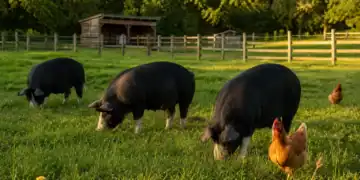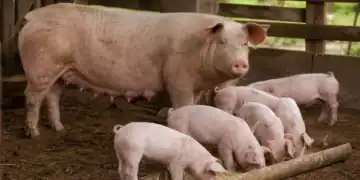

The Tamworth pig is the oldest pure British pig breed and the one most heritage pork enthusiasts point to when the conversation turns to bacon. Long, lean, and deeply flavored, the Tamworth produces a carcass with a higher proportion of bacon cuts and less backfat than most commercial breeds, which makes it a natural fit for homesteaders who want to raise a pig specifically for cured meat and charcuterie. The Tamworth is not the fastest-growing pig or the most efficient feed converter, but for a homesteader who values exceptional meat quality and a hardy, active breed that thrives on pasture, the Tamworth pig has few rivals.
Key Takeaways
History and Characteristics of the Tamworth Pig
The Tamworth pig originates from the town of Tamworth in Staffordshire, England, where it was developed over centuries as a working farm pig suited to outdoor conditions, rough terrain, and variable feed quality. It is considered one of the purest and least commercially modified of all British pig breeds, retaining the physical characteristics and foraging behaviors of its ancestors more fully than breeds that have been developed primarily for indoor commercial production.
The Tamworth pig is immediately recognizable by its ginger to deep red coat, long straight snout, upright ears, and athletic, lean body type. Adult Tamworth sows weigh 300 to 450 pounds and boars reach 400 to 550 pounds, which is substantial but lean relative to their frame. Their long, deep body produces the extended bacon section and well-developed ham that makes them the preferred bacon breed among heritage pork producers.
The long snout of the Tamworth pig is built for active rooting and foraging. Tamworths are enthusiastic rooters that will work over a pasture systematically, which makes them effective for woodland clearing, scrub management, and turning over garden beds, but also means they require robust fencing and careful pasture management to prevent overgrazing.
Tamworth Pig Temperament and Handling
Tamworth pigs are alert, curious, and active animals with a more independent temperament than docile breeds like the kune kune or Berkshire. They are not aggressive, but they are confident and assertive, particularly the boars, and they require consistent, calm handling from a young age to remain manageable as adults.
Tamworths handled frequently from piglet age develop reasonable tolerance for routine management including health checks, hoof trimming, and loading for transport. Tamworths that have had minimal human contact and are approached only at feeding time can be more challenging to manage as they mature. Invest time in handling and working with Tamworth pigs regularly during their first few months and the relationship will pay dividends throughout the animal’s life.
Their activity level and intelligence means Tamworth pigs require more mental and physical stimulation than sedentary commercial breeds. Rotational grazing systems, woodland access, and rooting areas where they can express natural foraging behavior produce visibly better welfare outcomes and calmer animals than static pens with nothing to investigate.

Tamworth Pig Feeding and Growth Rate
The Tamworth pig’s slower growth rate compared to commercial breeds is a function of its genetics rather than a management failure. Feed the same commercial grower and finisher program used for other pigs: starter at 18 to 20% protein through 75 pounds, grower at 14 to 16% protein through 150 pounds, and finisher at 13 to 14% protein through market weight. For a full breakdown of how long different breeds and setups take to reach slaughter weight, see our guide on how long it takes to raise a pig for slaughter.
Tamworths are efficient foragers that extract meaningful nutrition from pasture, woodland mast, root vegetables, and garden surplus. On good pasture with supplemental grain, a Tamworth pig’s purchased feed requirement is noticeably lower than a commercial breed at equivalent live weight because they convert forage more efficiently. Budget approximately 900 to 1,100 pounds of commercial feed per pig from 50 to 250 pounds, with forage supplementation reducing the actual purchased feed quantity depending on pasture quality.
The Tamworth pig’s feed conversion ratio, the pounds of feed required to produce each pound of live weight gain, is less favorable than commercial breeds specifically optimized for rapid lean growth. This means a higher cost per pound of pork than a commercial cross. The tradeoff is a distinctly different eating quality that commands premium prices at farm markets and from direct customers.
Tamworth Pig Meat Quality
The Tamworth pig produces pork with a fat distribution profile that is significantly different from commercial breeds. Their backfat depth is thinner, their bellies are deeper and longer with a higher proportion of lean streaking through the fat, and their overall carcass shape produces more of the cuts that charcuterie and cured meat applications favor.
Tamworth bacon is the breed’s defining product. The long, deep belly with good fat-to-lean ratio produces bacon that cures and smokes exceptionally well, with flavor complexity that reflects the breed’s slower development and pasture-based diet. Homesteaders who process their Tamworths through a custom butcher with curing capabilities consistently report that Tamworth bacon justifies every additional week of the longer grow-out.
Beyond bacon, Tamworth pork is deeply flavored throughout. The muscles are finer-grained than commercial breeds, the fat has a creamy texture, and the overall eating experience is closer to the heritage pork flavor profile that distinguishes small farm production from commodity meat.
Idaho Pasture Pig: A Related Breed Worth Knowing
For homesteaders specifically interested in a low-rooting, pasture-oriented heritage breed, the Idaho Pasture Pig is worth considering alongside the Tamworth. Developed in Idaho using Berkshire, Old Spot, and Kune Kune genetics, Idaho Pasture Pigs were specifically bred to graze on grass rather than root, which makes them unusually land-friendly for a full-sized pig breed.
Idaho Pasture Pigs reach 250 to 350 pounds at market weight, growing at a pace between kune kune and commercial breeds. Their grass conversion efficiency is significantly better than the Tamworth, and their reduced rooting behavior makes them practical on homesteads where pasture preservation is a priority. Their meat quality is excellent, with good marbling and flavor from the kune kune influence in their genetics.
Where the Tamworth excels specifically in bacon production, the Idaho Pasture Pig is a better all-around pasture pig for homesteaders who want a larger grass-based animal with a more manageable land impact.

Sourcing Tamworth Pigs
Tamworth pigs are listed as Threatened by the Livestock Conservancy, meaning breeding populations are limited and sourcing quality stock requires some effort. The Livestock Conservancy maintains a breeder directory, and the Tamworth Swine Association lists registered breeders across North America.
Expect to pay a premium for Tamworth feeder pigs compared to commercial crosses. Prices of $100 to $250 per feeder pig are typical depending on region and breeder quality. The premium reflects the breed’s lower production numbers, the additional cost of maintaining a heritage breeding herd, and the market recognition that Tamworth pork commands at direct sales.
For a complete guide to raising pigs for meat on the homestead, see our guide to raising pigs for meat.
Frequently Asked Questions About Tamworth Pigs
How long does it take to raise a Tamworth pig for meat?
Tamworth pigs reach market weight of 200 to 250 pounds in approximately 8 to 10 months from a 50-pound feeder pig start. This is 2 to 4 months longer than commercial breeds, reflecting the Tamworth’s slower genetic growth rate. The longer timeline produces more developed flavor and the lean carcass profile the breed is known for.
Are Tamworth pigs good for bacon?
Yes. The Tamworth pig is widely regarded as the best heritage breed for bacon production. Their long, deep bellies have a higher proportion of lean streaking through the fat, and their slower growth produces a fat profile that cures and smokes exceptionally well. Many heritage pork producers and charcuterie enthusiasts specifically seek out Tamworth pigs for this reason.
How big do Tamworth pigs get?
Adult Tamworth sows weigh 300 to 450 pounds. Boars reach 400 to 550 pounds at maturity. Market pigs are typically processed at 200 to 250 pounds live weight, which produces a lean, well-proportioned carcass with the extended bacon section characteristic of the breed.
Are Tamworth pigs hard to keep?
Tamworth pigs are not difficult to keep but they are more active and independent than docile breeds, which means they require robust fencing, regular handling from an early age, and adequate space and enrichment to express natural foraging behavior. A Tamworth pig that is well-set up with rotational pasture access and regular human contact is a manageable and rewarding animal to raise.
Where can you buy Tamworth pigs?
Tamworth pigs are available from registered breeders listed in the Livestock Conservancy’s heritage breed directory and the Tamworth Swine Association’s breeder list. They are less commonly available at farm supply stores or general livestock auctions than commercial crosses. Expect seasonal availability, with feeder pigs most commonly available in spring