
What to feed a cow is a simpler question than the feed store aisle suggests. A cow is a ruminant built to convert grass into milk and meat, and on a well-managed homestead grass and hay do almost all the work. The skill is in knowing what quality of forage you actually have, what her requirement is at her current stage, and where the genuine gaps are. This is the year-round feeding picture.
If you are still working out whether your land can carry her at all, start with our guide to how many acres per cow, since stocking rate and feeding plan are the same question asked two ways.
Key Takeaways
How Much Does a Cow Eat Per Day?
Intake is expressed as a percentage of body weight in dry matter, meaning the feed with the water taken out, and it varies with forage quality more than people expect.
Mississippi State University Extension’s beef cattle nutrient requirements give the working figures. A non-lactating mature cow eats 1.8 percent of her body weight on low quality forage, 2.2 percent on average quality, and 2.5 percent on high quality. A lactating cow eats more across the board: 2.2 percent on low quality forage, 2.5 percent on average, and 2.7 percent on high quality.
There is a counterintuitive lesson buried in those numbers. Poor forage does not just deliver less nutrition per pound, it also causes the cow to eat *fewer* pounds, because coarse, stemmy, low quality forage moves through the rumen slowly and physically fills her up. Bad hay is worse than it looks on paper, and this is exactly why a cow can be full and still losing condition.
In practical terms, a 1,200 pound cow on decent hay eats roughly 26 to 30 pounds of dry matter a day. Since baled hay is typically around 85 to 90 percent dry matter, that is about 30 to 33 pounds of hay as fed, or somewhere near a small square bale a day depending on bale weight.
Pasture: The Foundation
For most of the year in most regions, well-managed pasture should be the entire diet, and it is by a wide margin the cheapest feed you will ever put in front of a cow.
The main lever is grazing management rather than seed or fertilizer. Rotational grazing, moving cattle between smaller paddocks and letting each recover, raises the proportion of grown forage the animal actually eats and extends how long your grass lasts into the season. It is covered in detail in our stocking rate guide, and it is the single highest-return change most small operations can make.
What to watch through the season: cool-season pastures slump in midsummer heat, warm-season pastures shut down in autumn, and both go dormant in winter. Plan for those gaps rather than being surprised by them. Spring grass is also deceptively watery and low in dry matter, which is why cattle can look full on lush spring pasture and still be short on energy.
A caution worth knowing: sudden moves onto very lush, wet legume pasture can cause bloat, which is a genuine emergency. Introduce rich pasture gradually rather than turning a hungry cow onto it.

Hay: What Gets You Through Winter
Hay is stored forage, and its quality varies more than almost any other input you buy.
The dominant factor is when it was cut, not what species it is. Hay cut early, before the grass headed out, is leafy, higher in protein, and more digestible. Hay cut late is stemmy, seedy, and much lower in feed value even if it looks like a fine bale from the outside. Buying by appearance alone is how people end up with a barn full of expensive bedding.
Judge hay by smell (sweet, not musty or sour), color (green rather than bleached), leaf-to-stem ratio (more leaf is better), and the absence of dust or visible mold. Moldy hay is a real health risk and should not be fed.
If you are feeding hay to a cow whose requirements are high, particularly a lactating cow or one in late gestation, a forage test is genuinely worth the small cost. It tells you the protein and energy you are actually feeding rather than what you assume, and it turns supplementation from guesswork into arithmetic.
Feed hay in a feeder rather than on the ground. Cattle waste a startling proportion of hay fed loose, by trampling and fouling it, and a ring or cradle pays for itself quickly.
Grain: When It Helps and When It Does Not
This is where new owners most often overspend and overfeed.
Grain is an energy supplement, not a staple. Most beef cattle on decent forage need no grain at all. The situations where it genuinely earns its place are a lactating dairy cow in early lactation, whose energy demand outruns what forage alone can supply; a growing animal being finished; a thin cow who needs to regain condition before calving; and any animal facing severe cold with poor forage.
Where it does not belong is as a routine daily treat or a substitute for adequate forage. Too much grain acidifies the rumen and causes real digestive problems, and rapid increases are the classic cause. If you do feed grain, introduce it gradually over a week or more and keep the amount proportionate to forage intake rather than the other way round.
For a family milk cow, the common approach is a modest ration fed at milking, which also gives her a reason to walk into the stanchion willingly. Our guide to milking a cow covers how that fits into the daily routine.
Protein and Energy Through the Year
Her requirement is not constant, and matching feed to stage is what separates a cow who holds condition from one who does not.
The MSU figures show the range clearly. A dry, pregnant cow needs only 6.5 to 8.9 percent crude protein and 46.7 to 56.3 percent TDN in her diet dry matter. That is a low bar, and decent grass hay usually clears it without supplementation.
A lactating cow climbs steeply. At 10 pounds of peak milk she needs about 8.7 to 8.9 percent crude protein and 55 to 56 percent TDN. At 30 pounds of peak milk that rises to 11.1 to 12.4 percent crude protein and 60.7 to 63.5 percent TDN, which average grass hay will not meet on its own.
The practical sequence over a year: requirements are lowest in mid gestation, climb through the last trimester as the calf does most of its growing, spike hard at calving and through peak lactation, then fall away as she dries off. Feed to the stage she is in, not to an annual average.
Minerals, Salt, and Water
The three things people underestimate, all of which are needed every day of the year.
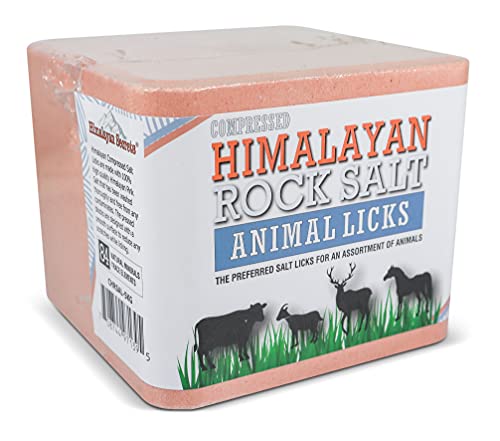
Free-choice mineral. A loose mineral formulated for cattle, offered free choice in a covered feeder, is the standard approach. Region matters enormously here, since soils are deficient in different things in different places, and your local extension office can tell you what is short in your area. Selenium in particular is deficient across large parts of the country and genuinely matters for calf health.
Salt. Usually included in a complete mineral mix. A plain white salt block alone is not a mineral programme, which is a common and costly confusion.
Water. The most important nutrient and the one most often limiting. A cow drinks many gallons a day, more in heat and far more when lactating, and restricted or frozen water reduces intake of everything else within hours. Our guide to cattle water troughs covers sizing, freeze proofing, and keeping one clean.
What to Feed a Cow by Season
Spring. Grass comes fast and watery. Transition gradually off hay, watch for bloat on lush legumes, and do not assume lush means adequate.
Summer. Growth slows in heat. Watch pasture recovery, and remember that heat suppresses intake, so a hot cow eats less and produces less. Our guide to keeping livestock cool covers the management side.
Autumn. Pasture quality declines as plants mature. This is the window to put condition on a cow before winter, since it is far cheaper to maintain condition than to restore it in January.
Winter. Full hay feeding, higher energy needs in cold, and the period when water access and mineral supply are most likely to fail. Cold weather raises maintenance requirements meaningfully, so a ration that worked in October may not hold her in January.
If you are budgeting all of this rather than just planning it, our guide to what a cow actually costs puts real numbers against the feeding year, which is where most of the annual cost of cattle ownership sits.
Frequently Asked Questions
How much does a cow eat per day?
Between 1.8 and 2.7 percent of her body weight in dry matter, depending on forage quality and whether she is lactating. Mississippi State Extension puts a dry cow at 1.8 percent on low quality forage and 2.5 percent on high quality, rising to 2.7 percent when lactating. For a 1,200 pound cow on decent hay that is roughly 26 to 30 pounds of dry matter a day.
How much hay does a cow eat a day?
Roughly 30 to 33 pounds as fed for a 1,200 pound cow, since baled hay is about 85 to 90 percent dry matter. That is close to a small square bale a day depending on bale weight. Feed it in a ring or cradle, because cattle waste a large proportion of hay fed loose on the ground.
Do cows need grain?
Most beef cattle on decent forage need none at all. Grain earns its place for a dairy cow in early lactation, a growing animal being finished, a thin cow rebuilding condition before calving, and animals facing severe cold on poor forage. It is a supplement, not a staple, and it should be introduced gradually.
What minerals does a cow need?
A loose mineral formulated for cattle, offered free choice in a covered feeder. Requirements vary by region because soils differ, so ask your local extension office what is deficient in your area. Selenium is short across large parts of the country and matters for calf health. A plain white salt block on its own is not a mineral programme.
How do you tell if hay is good quality?
Judge it by when it was cut rather than the species. Early-cut hay is leafy, higher in protein, and more digestible; late-cut hay is stemmy and much lower in feed value. Look for a sweet smell, green color, a high leaf to stem ratio, and no dust or mold. A forage test is worth the cost for any animal with high requirements.