
There is a distinct line that separates a basic home-cooked dinner from a spectacular, restaurant-quality meal, and it rarely has anything to do with expensive ingredients or complicated culinary degrees. Instead, that difference lies in a simple, foundational kitchen technique that takes less than five minutes to execute. If you have ever seared a chicken breast, a pork chop, or a steak, and then immediately transferred that skillet to the sink to scrub away the stuck-on brown bits, you have accidentally thrown away the most valuable flavor asset in your kitchen.
Learning how to deglaze a pan is the ultimate gateway to mastering the art of the gourmet pan sauce. It is a classic French technique that transforms ordinary pan drippings into a glossy, velvety sauce capable of elevating a simple weeknight protein into a culinary event. By understanding the science behind those caramelized remnants and learning how to safely introduce the right liquids, you can effortlessly create rich, deeply layered sauces directly in the same skillet you used to cook your meat.
The entire process is remarkably straightforward, requiring no special equipment and only a handful of basic pantry staples. Here is a practical, narrative guide on how to unlock this professional flavor technique in your own home kitchen.
Key Takeaways
Understanding the Culinary Magic of Fond
To understand why deglazing is so vital to good cooking, you must first understand exactly what is happening at the bottom of your skillet during the searing process. As meat cooks in a hot pan with a little bit of fat, the proteins and sugars on the surface of the food undergo a complex chemical reaction known as the Maillard reaction. This reaction is what creates that beautiful, deeply flavorful brown crust on a perfectly seared steak or chicken thigh.
As the meat turns golden brown, it leaves behind a thin layer of caramelized juices, proteins, and fats that tightly adhere to the bottom of the cooking surface. In the professional culinary world, these stuck-on bits are collectively referred to as fond, which is the French word for “foundation” or “base.” This name is entirely literal; this caramelized layer serves as the flavor foundation for everything that comes next.
It is important to distinguish healthy, deeply flavorful fond from bitter, ruined carbon. True fond is a rich amber, golden, or deep mahogany color. If your pan temperature was too high or your fat completely evaporated, those bits can cross the line into black, burnt ash. Burnt residue cannot be saved and will impart an acrid, unpleasant bitterness to your food. But as long as those bits are a rich, warm brown, they contain the absolute most concentrated, pure flavor essence of the animal protein you just cooked.

Choosing the Right Deglazing Liquid
Deglazing simply means adding a liquid to that hot skillet to dissolve the fond. The liquid you choose will dictate the entire personality and flavor profile of your finished pan sauce. Because fond is naturally rich, heavy, and savory, the best deglazing liquids almost always include an element of acidity to balance the scales, cut through the fat, and brighten the overall dish.
Dry white wine is perhaps the most versatile and widely used deglazing liquid in modern cooking. A crisp Sauvignon Blanc or Pinot Grigio works beautifully for chicken, pork, and seafood dishes, offering a clean acidity that coaxes the fond away from the pan without overwhelming the delicate meat. For heavier, richer proteins like beef steak, duck breast, or venison, a dry red wine such as Cabernet Sauvignon or Pinot Noir provides a robust, deeply complex backbone that matches the intensity of the dark meat.
If you prefer to cook entirely without alcohol, you can still create an exceptional pan sauce by utilizing high-quality store-bought or homemade stocks. Chicken, beef, or vegetable stock will successfully dissolve the fond, though you will want to add a splash of fresh lemon juice or a teaspoon of high-quality vinegar toward the end of the process to provide that necessary acidic balance. Apple cider or verjus can also serve as fantastic, flavorful non-alcoholic alternatives, especially when working with pork chops or autumn-inspired dishes.
The Narrative Step-by-Step Deglazing Process
Deglazing requires a smooth, intentional sequence of events that begins the exact moment your primary protein leaves the pan. Once your meat has achieved a perfect sear and reached its safe internal cooking temperature, transfer it to a warm plate and tent it loosely with aluminum foil. This resting period is crucial, as it allows the juices inside the meat to redistribute while giving you the perfect uninterrupted window to build your sauce.
With the meat out of the way, take a look at the skillet. If the protein left behind an excessive amount of rendered fat, gently tip the pan and spoon out the excess, leaving roughly one to two tablespoons of fat behind to coat the bottom. Turn the stovetop heat down to a steady medium. If you want to add aromatics like finely minced shallots, crushed garlic, or fresh thyme sprigs, toss them into the remaining fat now, stirring constantly for about sixty seconds until they soften and release their fragrance without burning.
Holding your chosen liquid ready, step back slightly and pour roughly one-half to three-quarters of a cup of fluid directly into the hot center of the skillet. The liquid will instantly hiss and release a cloud of steam. This thermal shock—dropping cold liquid onto a hot surface—is exactly what causes the tightly bound fond to fracture and release its grip on the metal.

Using a flat-edged wooden spoon or a heat-resistant silicone spatula, immediately begin firmly scraping the bottom of the pan as the liquid bubbles rapidly. You will feel the stuck-on bits easily lifting away from the surface, melting into the simmering fluid like sugar into hot tea. Keep the liquid at a steady, active simmer, stirring continuously. As the water content in your wine or stock evaporates into steam, the liquid will begin to concentrate, darken, and naturally thicken, a process known as reduction. You want to simmer the fluid until it has reduced by half, leaving behind a intensely concentrated, intensely flavorful essence.
Finishing the Sauce: Mounting with Butter
Once your deglazing liquid has reduced by half, the final phase involves transforming that thin, watery fluid into a luxurious, glossy sauce that behaves elegantly on a plate. If you want a creamy variation, you can swirl in a splash of heavy heavy cream at this stage, letting it simmer for an additional minute until it thickens slightly. However, the classic, elite restaurant method for finishing a standard pan sauce is a technique known as monter au beurre, or mounting with butter.
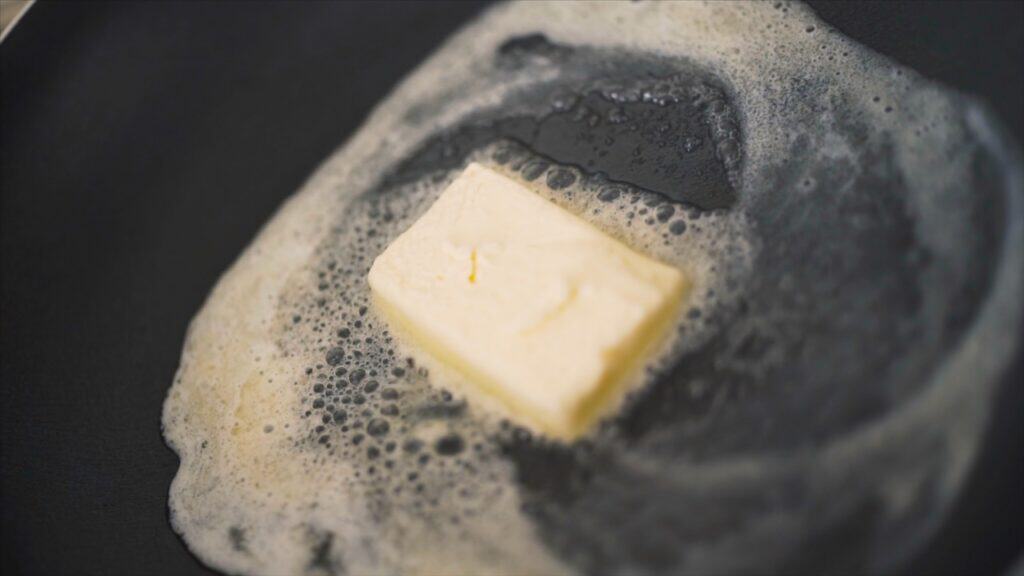
Remove the skillet completely from the direct heat source. This temperature drop is absolutely vital. If you attempt to add butter to a boiling liquid, the fat and the solids inside the dairy will separate, leaving you with a greasy, broken sauce. Cut two tablespoons of unsalted butter into small cubes directly from the refrigerator. The butter must be ice-cold to properly achieve an emulsion.
Drop the cold butter cubes into the warm, reduced liquid and begin whisking or swirling the pan immediately. As the cold butter slowly melts into the warm reduction, the milk solids act as a natural binding agent, trapping the fats and creating a silky, unified emulsion. As you continue to stir, you will watch the sauce magically transform from a translucent fluid into an opaque, glossy, and remarkably thick glaze. Taste the sauce right out of the pan, add a pinch of kosher salt and cracked black pepper if necessary, and immediately pour it directly over your resting meat.
Common Skillet Mistakes to Avoid
While this technique is simple, there are a few common mistakes that can ruin a pan sauce. The first is using the wrong pan. Avoid non-stick skillets. They are designed to prevent food from sticking, which means your meat won’t leave behind those flavorful brown bits. Stick to standard stainless steel, cast iron, or enameled cast iron instead.
Another common error is adding too much liquid at the beginning. If you pour multiple cups of wine or stock into the pan, you will have to boil the liquid for a long time to get it to thin down. This extra boiling time can overcook your garlic or shallots and leave you with a muddy, overly salty flavor. Stick to less than a cup of liquid for a standard dinner. It is much easier to splash in a little extra stock later than it is to boil off too much fluid.
Watch your stove temperature at the very end. Rushing the process or letting the butter boil is the main reason home-cooked sauces separate and turn greasy. By using a heavy steel or iron pan, keeping an eye on your heat, and using cold butter, you can easily turn simple pan drippings into a rich, flavorful sauce for any meal.
What is the best liquid to deglaze a pan with?
Dry white wine, dry red wine, or high-quality stock are the best options. Liquids that have a little bit of natural acidity help break down the pan drippings and keep the finished sauce from tasting too heavy.
Can you deglaze a pan with water?
Yes, water will successfully loosen the stuck-on bits from the bottom of the pan, but it won’t add any extra flavor. Using stock, wine, or even apple cider will give you a much richer, tastier sauce.
How do you tell the difference between good pan bits and burnt pieces?
Flavorful pan bits (called fond) are a warm golden-brown or deep amber color. If the pieces on the bottom of your skillet are black and look like ash, they are burnt and will make your sauce taste bitter.
Why did my pan sauce turn greasy and separate?
A pan sauce separates if the stove temperature is too high when you add the butter. To keep your sauce smooth and thick, always take the pan completely off the heat before stirring in your cold butter.