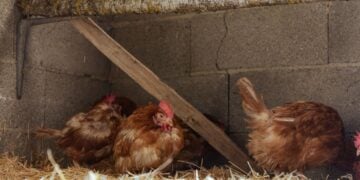

Avian flu in backyard chickens is best managed by reducing exposure, especially exposure to wild birds and anything contaminated by wild bird droppings. Keep poultry feed and water covered, use dedicated coop shoes or boots, wash hands after chores, limit visitors, avoid sharing equipment between flocks, keep runs covered where practical, and report suspicious illness or sudden deaths quickly. You cannot make a backyard flock risk-free, but you can make the easy disease pathways much harder.
This is not about panic. It is about clean routines. The flock does not need a complicated hospital-grade system. It needs a few practical habits that happen every day, even when chores are rushed and the weather is ugly.
What You’ll Learn
Avian Flu Can Affect Backyard Flocks
Avian influenza, often called bird flu, is a contagious virus that can affect poultry and wild birds. Backyard flocks are not protected just because they are small. Chickens, ducks, turkeys, guineas, and other domestic poultry can be exposed through wild birds, contaminated water, droppings, equipment, shoes, vehicle tires, feed spills, shared crates, and people moving between poultry areas.
Wild waterfowl are a major concern because they can carry avian influenza and contaminate ponds, puddles, pastures, yards, and surfaces without ever entering the coop. Songbirds are not the only issue, and neither is the neighbor’s flock. A single muddy boot, open feed pan, shared shovel, or duck visiting a chicken waterer can create a route you did not intend.
For new flock owners still building routines, Waddle and Cluck’s backyard chicken basics guide is a useful companion because good daily care makes biosecurity easier to maintain.
Start With a Biosecurity Boundary
A biosecurity boundary is the line between the regular yard and the poultry area. It can be fancy, but it does not have to be. On a small homestead, it may be as simple as a hook by the coop door for dedicated boots, a covered tote for gloves and cleaning supplies, and a rule that nobody walks into the run after being around other birds.
Decide where the poultry zone starts. It may be the gate to the run, the barn aisle, the coop door, or a corner of the yard. Once that line is clear, make the routine clear too.
Before crossing into the poultry zone:
- Put on dedicated coop shoes or boots.
- Wash or sanitize hands before and after chores.
- Keep outside tools out of the coop unless they have been cleaned.
- Do not bring borrowed poultry equipment directly into flock areas.
- Keep children and guests from wandering through the run.
After chores, remove coop footwear before walking through the house, garden, driveway, feed room, or vehicle. This one habit matters because poultry disease can hitch a ride on mud and manure.
Keep Wild Birds Away From Feed and Water
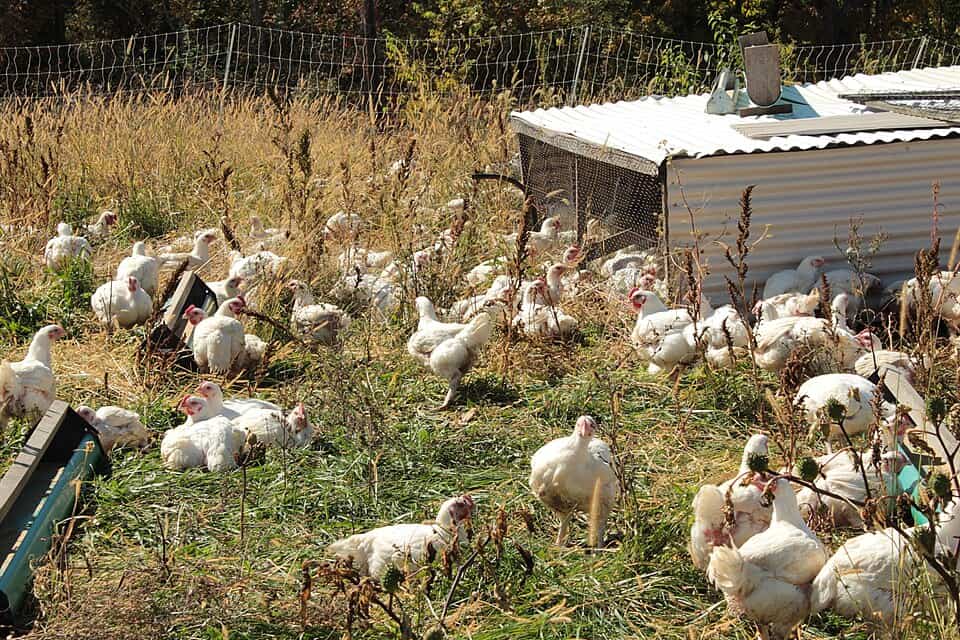
Feed and water are two of the easiest places for disease to spread. Wild birds are attracted to spilled grain, open feeders, uncovered water, puddles, and easy shelter. If they can eat from your chicken feeder or perch above the waterer, they can leave droppings where your birds eat and drink.
Use covered feeders when possible. Feed only what the flock will clean up instead of leaving loose grain scattered on the ground. Store feed in sealed metal or heavy plastic containers so wild birds, rodents, and moisture stay out. Clean up spilled feed around the coop, gate, and storage area.
Waterers should be kept under cover when practical. Avoid letting chickens drink from puddles, pond edges, or standing water that wild birds can access. If you keep ducks with chickens, this gets harder because ducks love open water and make a mess fast. In that case, separate water areas as much as you can and refresh water often.
A covered, well-planned run helps with both predator pressure and wild bird contact. If your run needs work, Waddle and Cluck’s chicken run ideas guide has practical layout, sizing, and covering ideas that can support cleaner flock management.
Use Dedicated Boots, Gloves, and Tools
Dedicated gear is not fussy. It is practical. Keep one pair of boots or clogs for chicken chores only. Leave them near the coop, in a covered boot tray, or in a lidded tote. If you have multiple poultry groups, use separate tools when possible, especially for sick pens, brooders, and quarantine areas.
At minimum, keep these items easy to reach:
- Coop-only footwear.
- Disposable or washable chore gloves.
- A boot brush.
- A disinfecting setup appropriate for poultry equipment.
- A lidded trash can or bags for dirty disposable items.
- A small notebook or phone note for health observations.
Disinfection only works well when surfaces are cleaned first. Mud, bedding, manure, and feed dust can interfere with many disinfectants. Brush off boots and tools before using disinfectant. Follow the product label for dilution, contact time, surface type, and safety. More concentrate is not automatically better, and mixing cleaners can be dangerous.
Be Careful With Visitors and Shared Equipment
Visitors are easy to overlook because most people who stop by a homestead are harmless and curious. But if someone has poultry at home, has visited a livestock sale, walked through a farm store poultry area, handled wild birds, hunted waterfowl, or been in another coop, their shoes and clothing may matter.
You do not need to be rude. You do need rules.
A simple visitor policy can be:
- No unnecessary visitors inside the coop or run.
- No visiting the flock after visiting another poultry flock the same day.
- Use clean or provided footwear if entry is necessary.
- Keep children from chasing birds or touching feeders and waterers.
- Wash hands after any poultry contact.
Shared equipment deserves the same caution. Crates, carriers, cages, egg baskets, shovels, feeders, waterers, and show supplies should be cleaned and disinfected before they come near your birds. Avoid borrowing equipment during active disease concerns if you can.
Watch for Warning Signs
Avian flu can look different from bird to bird, and other chicken diseases can mimic some signs. That is why sudden changes matter. Do not try to diagnose a serious flock problem from a social media thread.
Watch for:
- Sudden death without a clear injury.
- Several birds getting sick close together.
- Quiet, weak, or unusually still birds.
- Coughing, sneezing, gasping, or nasal discharge.
- Swelling around the head, eyes, comb, wattles, or legs.
- Purple or dark discoloration of combs or wattles.
- Diarrhea or very abnormal droppings.
- A sudden drop in egg production.
- Soft-shelled or misshapen eggs when that is unusual for the flock.
- Poor appetite or birds refusing water.
Many backyard flock problems are not avian flu, but serious symptoms still deserve fast attention. Waddle and Cluck’s guide to common chicken diseases and symptoms can help readers think through general warning signs, but suspected avian flu needs official guidance, not home treatment guessing.
What To Do If You Suspect Avian Flu
If you see sudden deaths or multiple suspicious symptoms, slow down and reduce movement immediately. Do not sell, give away, move, or show birds. Do not invite neighbors over to inspect the flock. Do not carry tools from that coop to another coop. Keep pets, children, and unnecessary visitors away from the area.
Then contact your veterinarian, county extension office, state animal health office, or USDA animal health contact for next steps. The USDA APHIS Defend the Flock program provides practical biosecurity guidance for poultry owners, including ways to protect flocks from avian influenza.
When handling sick or dead birds, use disposable gloves and follow official instructions. Do not compost suspicious carcasses unless your state or veterinary authority specifically directs that method. Do not process birds for food if disease is suspected. Keep notes on dates, symptoms, deaths, new birds, visitor traffic, and any recent changes.
Quarantine New Birds Before They Join the Flock
New birds are one of the most common ways problems enter a backyard flock. A chicken can look fine at pickup and still bring stress, parasites, respiratory illness, or other disease concerns into your coop. Avian flu risk is not the only reason to quarantine, but it is one more reason to take the practice seriously.
Keep new birds separated for at least several weeks in a space that does not share feeders, waterers, bedding, or air flow as much as possible. Care for the established flock first, then the quarantine birds, or use separate clothing and tools. Watch appetite, droppings, breathing, eyes, comb color, and energy level.
Buying from reputable sources matters too. Avoid impulse purchases from crowded swaps or unclear origins during active disease concern. If you attend shows or sales, keep your birds home afterward when appropriate and clean equipment before it returns to the coop.
Clean the Coop Without Creating More Risk
Coop cleaning should reduce disease pressure, not stir up contaminated dust and spread manure everywhere. Work from clean to dirty. Keep bedding dry. Replace wet bedding quickly. Scrape roosts, clean nest boxes, and keep feeders from sitting in manure.
A dry coop is easier to keep healthy. Damp bedding, spilled water, poor ventilation, and crowded corners create problems even when avian flu is not the immediate concern. Good ventilation matters, but drafts directly on roosting birds do not. Clean air and dry bedding are part of basic flock health.
When you do a deeper clean, wear gloves and consider a mask if dust is heavy. Bag dirty bedding if you are removing it from the poultry area. Wash hands after chores. Keep cleaning tools in the poultry zone rather than dragging them between garden, garage, and coop.
Adjust Free-Ranging During High-Risk Periods
Free-ranging has benefits. Birds get exercise, sunlight, bugs, greens, and natural behavior. It also increases contact with wild bird droppings, puddles, ponds, shared ground, and unknown contamination. During high-risk periods or local advisories, it may be smart to temporarily confine birds to a covered run.
This is where practical homestead judgment matters. A covered run with enrichment is better than a flock ranging through standing water under migrating birds. Add scratch areas, branches, dry leaves, dust baths, hanging greens, and extra space when birds must stay in.
If your flock normally free-ranges, practice confinement before you are forced into it. Birds that have never spent a full day in the run may fuss, bully, or pile up at the gate. A little training before disease pressure rises makes the switch easier.
Build a Simple Avian Flu Checklist
Use this checklist at the start of migration season, before poultry swaps, and anytime local poultry disease news picks up.
- Dedicated coop boots are clean and easy to find.
- Feed is sealed and spills are cleaned up.
- Waterers are covered or protected from wild birds.
- Run cover, netting, or roof areas are checked for gaps.
- Visitors are kept out of poultry areas unless necessary.
- Borrowed equipment is cleaned and disinfected before use.
- New birds have a quarantine space ready.
- Sick-bird isolation supplies are staged.
- Vet, extension, state animal health, and USDA contact information is saved.
- Children know not to handle sick or dead birds.
- Free-ranging plans are adjusted during high-risk periods.
- Flock health notes are kept when anything changes.
Frequently Asked Questions About Avian Flu Season: Keeping Backyard Chickens Safe
Can backyard chickens get avian flu?
Yes. Backyard chickens can get avian flu if they are exposed to infected birds or contaminated droppings, water, equipment, footwear, or surfaces. Small flocks still need biosecurity.
Should I stop free-ranging chickens during avian flu season?
It depends on local risk and official guidance, but temporary confinement in a covered run can reduce contact with wild birds, puddles, and droppings during high-risk periods.
What are the first signs of avian flu in chickens?
Warning signs can include sudden death, respiratory trouble, swelling, diarrhea, weakness, dark combs or wattles, poor appetite, and sudden drops in egg production. Call a veterinarian or animal health office if several signs appear or deaths are sudden.
Can I treat avian flu at home?
Do not try to manage suspected avian flu as a home-treatment project. Reduce movement, isolate the area, and contact a veterinarian, state animal health office, extension office, or USDA guidance source.
Do coop boots really matter?
Yes. Dedicated coop boots reduce the chance that mud, manure, and contaminated material move between the driveway, feed store, neighbor’s property, garden, and poultry area.