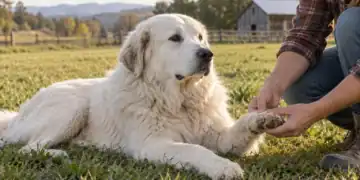

A good chicken guard dog is not the dog that chases everything away. It is the dog that can live near your flock without becoming one more predator. That is the part people miss. Plenty of dogs will bark at a raccoon. Far fewer can be trusted around hens that flap, chicks that scatter, and ducks that waddle right underfoot.
The best guard dogs for chickens are usually livestock guardian dogs, or LGDs. These breeds were developed to bond with animals and protect them from threats rather than herd, chase, or retrieve them. On a homestead, the right dog can make a real difference against foxes, coyotes, loose dogs, and some aerial pressure. But even the best dog is only one layer of protection.
Before choosing a breed, make sure the basics are handled. Our guide to creating a safe environment for raising chickens covers the foundation: shelter, fencing, space, and daily management. A guard dog works best when the coop and run are already solid.
What You’ll Learn
What Makes a Dog Safe Around Chickens?
A poultry guardian needs low prey drive toward birds, calm nerves, and enough bond with the flock to treat chickens as part of the protected group. That is very different from a herding dog. A Border Collie may be brilliant with sheep, but that brilliance is built on controlled chase. Around chickens, especially without training, that can turn into stress or injury.
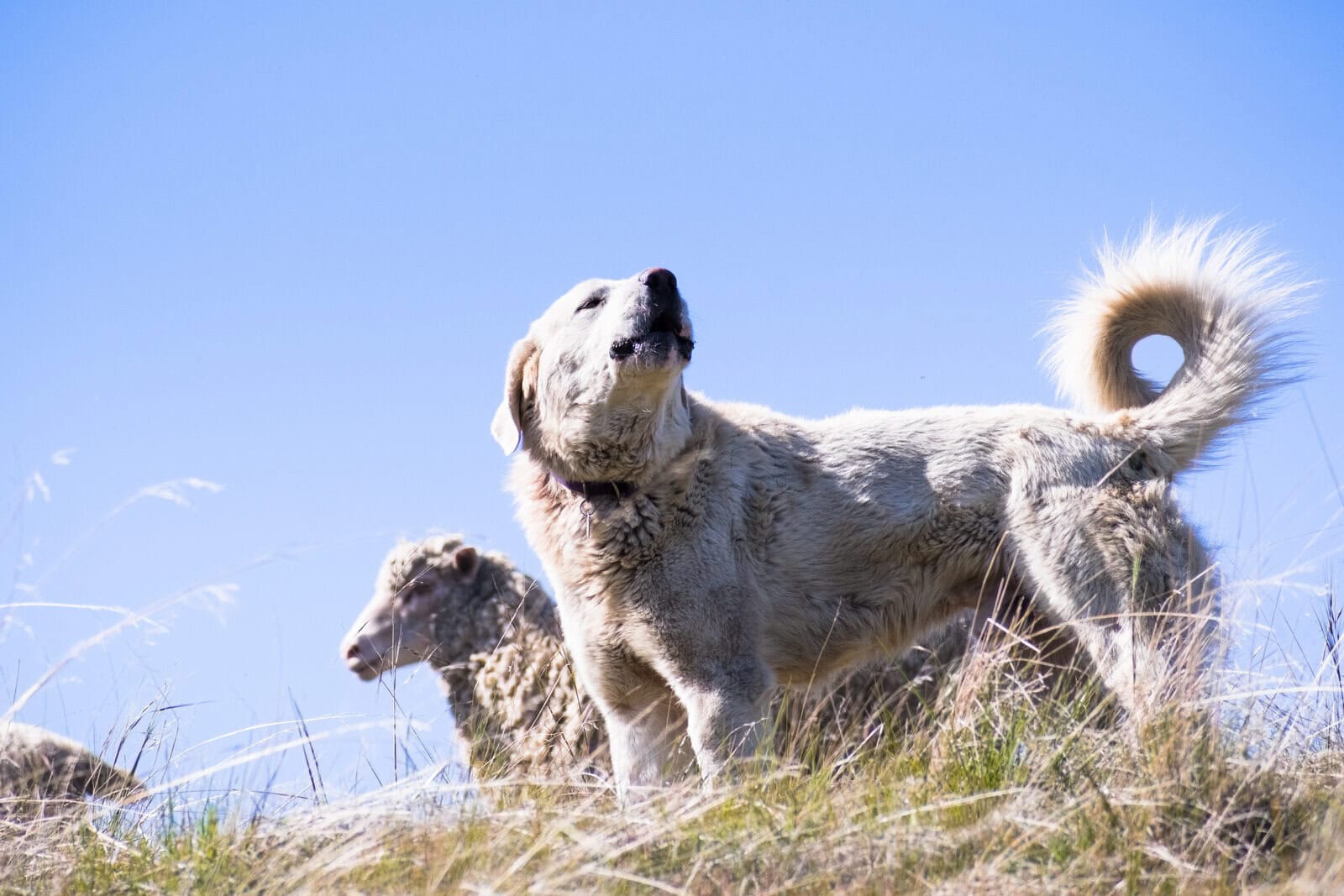
Livestock guardian breeds work differently. They patrol, bark, mark territory, and place themselves near stock. Their job is deterrence. Most predators would rather avoid a large dog that has claimed the space.
Still, no breed is born finished. Puppies chase. Puppies mouth. Puppies get excited when birds flap. A young LGD must be raised with barriers, supervision, and calm correction until it understands that chickens are not toys.
1. Great Pyrenees
The Great Pyrenees is often the first breed I would consider for a chicken-focused homestead. It is widely available, usually close-working, and known for a calmer style than some harder guardian breeds. A mature Pyr can be steady around poultry when raised correctly.
The tradeoffs are barking, roaming, shedding, and slow maturity. Great Pyrenees bark at night because predators move at night. They roam because they were bred to patrol. They shed because that big white coat is built for weather. If you have close neighbors or weak fencing, solve those problems before bringing home a Pyr.
For chickens, start slow. Let a Pyr puppy watch birds through fencing. Reward calm behavior. Correct chase behavior immediately. Do not leave a young dog alone with hens until it has earned that trust.
2. Maremma Sheepdog
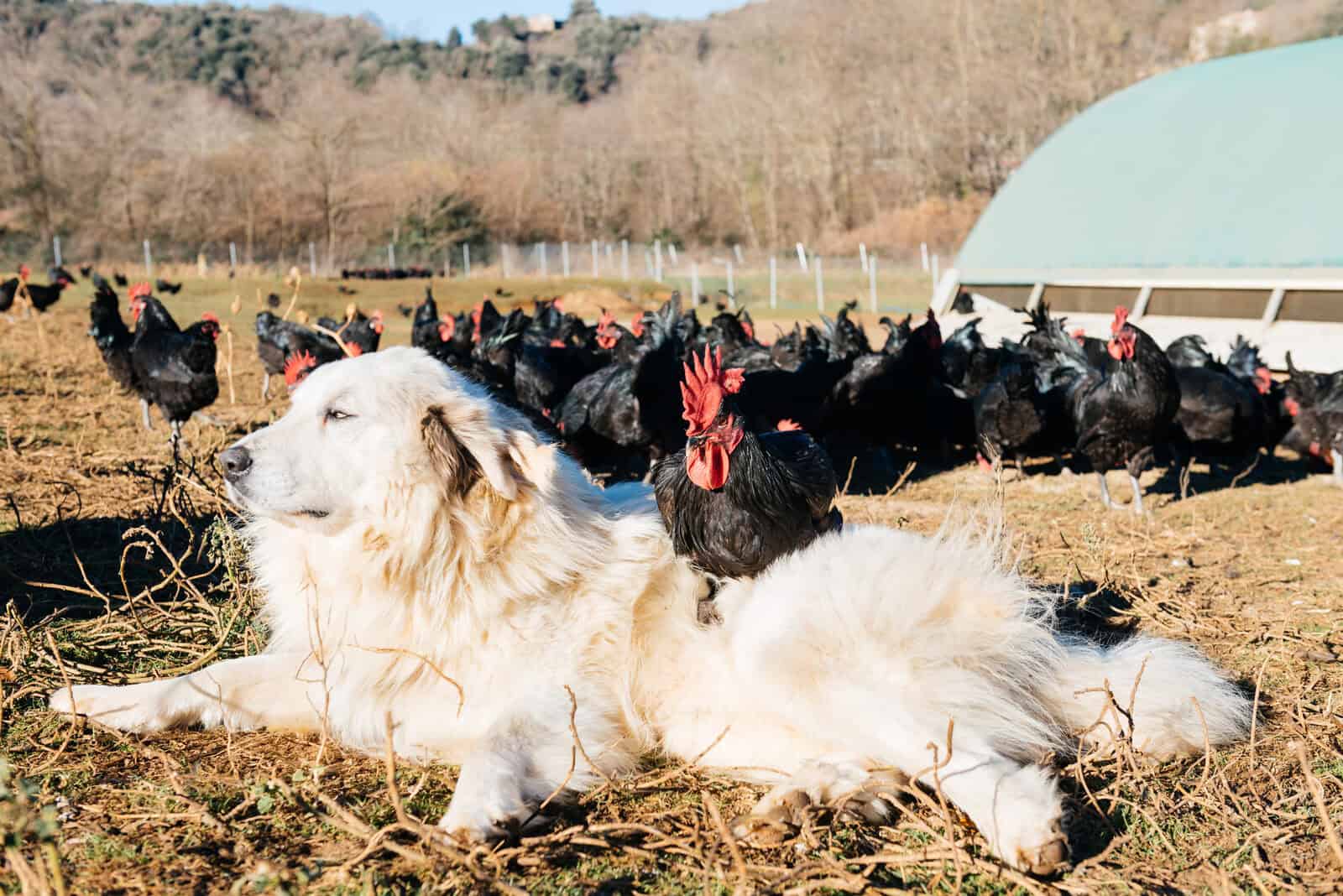
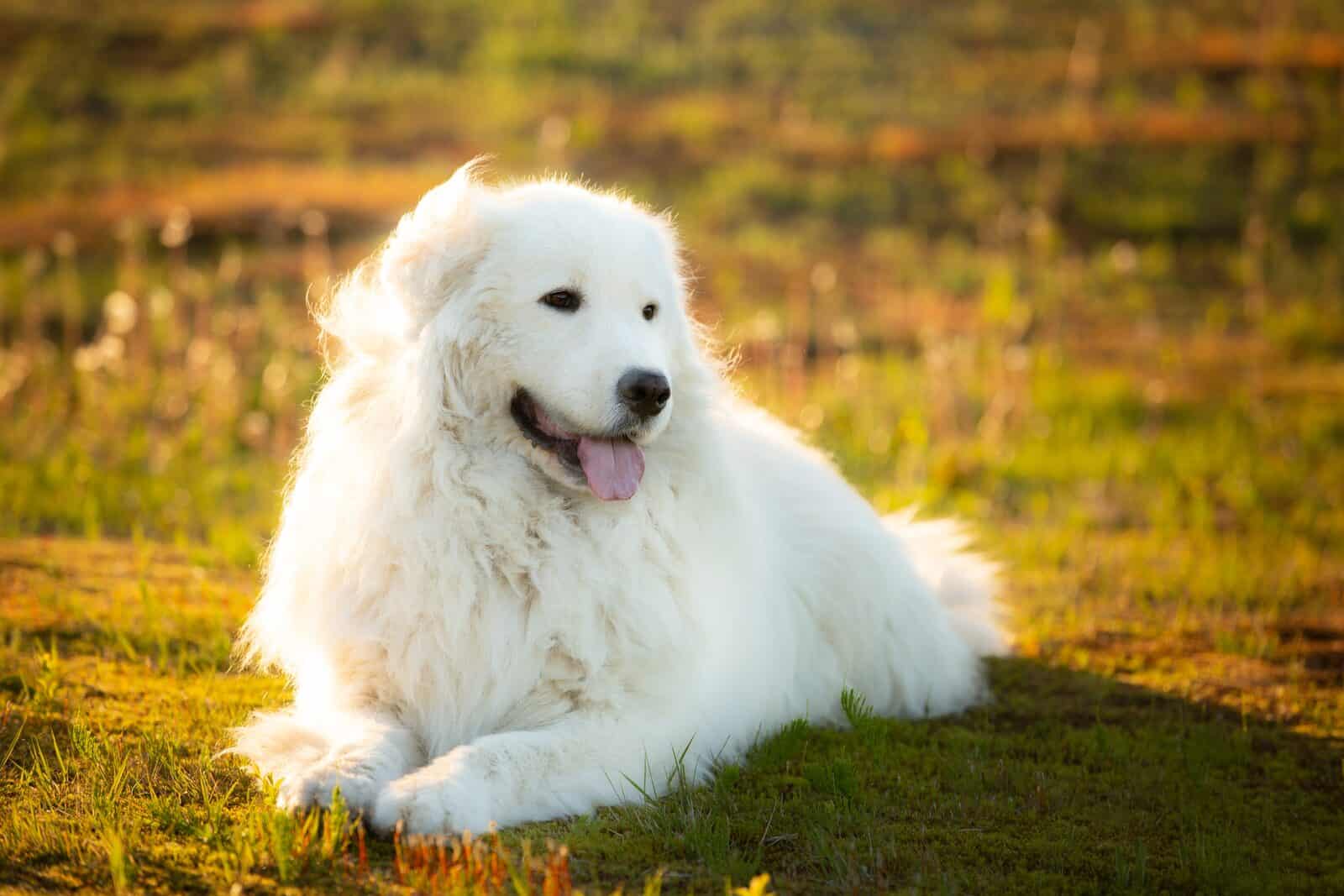
The Maremma Sheepdog is another strong choice for poultry keepers. Many homesteaders like Maremmas because they tend to work close and bond strongly with the animals around them. They are serious guardians, but they often fit small-ruminant and poultry operations well.
A Maremma still needs rural space and strong boundaries. It may be affectionate with family while remaining wary of strangers. Visitor management matters. The dog should not have to guess whether someone walking into the pasture belongs there.
For chickens, the Maremma’s strength is steadiness. A well-raised adult can spend long hours near birds without stirring them up, which is exactly what you want.
3. Anatolian Shepherd
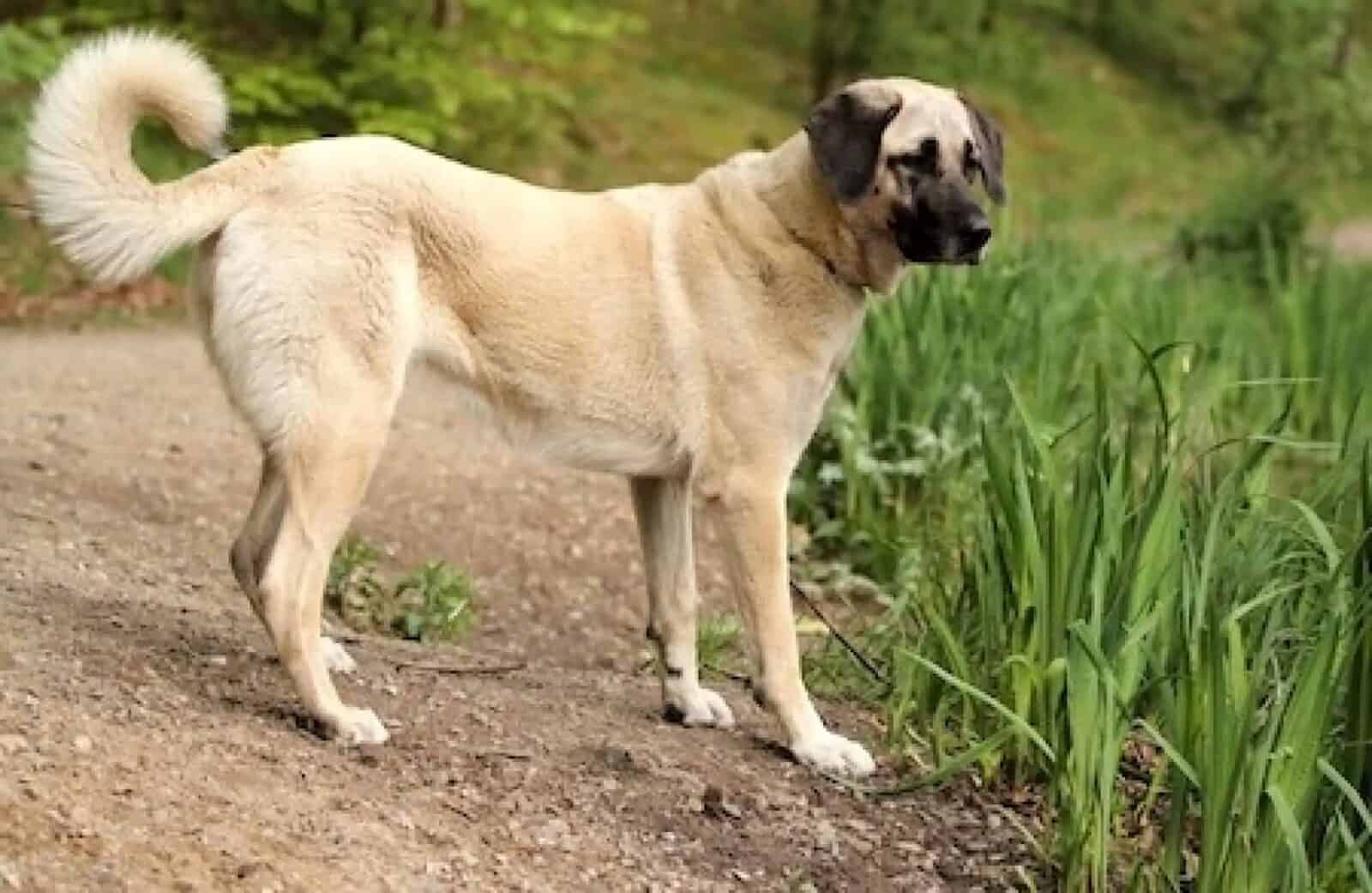
Anatolian Shepherds can protect chickens, but they are usually more dog than a small poultry setup needs. This breed is intense, athletic, and built for serious predator pressure. If your flock is part of a larger goat, sheep, or pasture operation with coyotes, feral dogs, or heavier threats, an Anatolian may make sense.
For a backyard flock, I would be cautious. Anatolians require secure fencing, early socialization, and confident handling. They are not casual pets. If you choose one for poultry, buy from working lines and plan for a long, supervised training period.
4. Akbash and Kangal
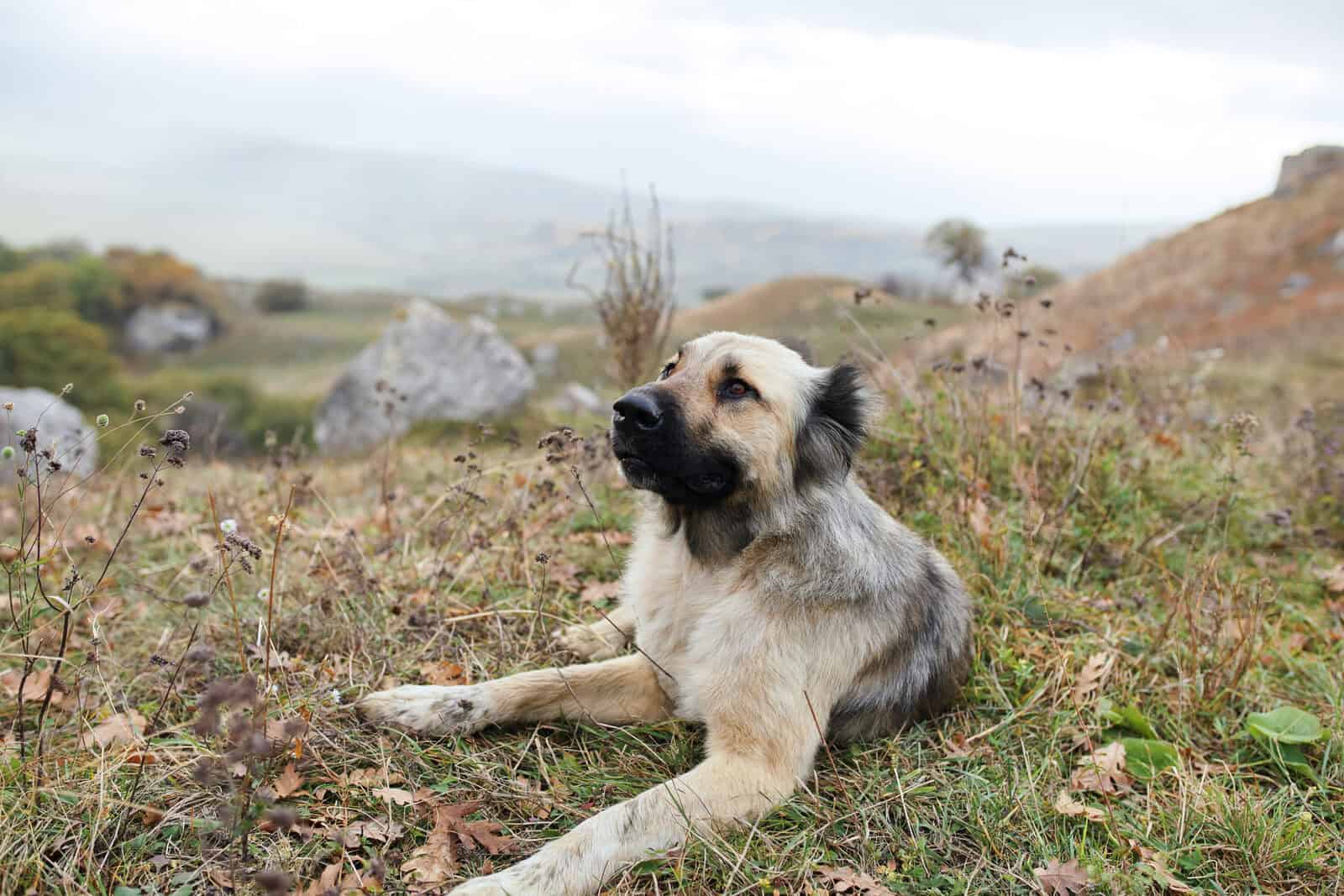
Akbash and Kangal dogs are capable livestock guardians, but they belong in experienced hands. Both can be powerful, independent, and serious about territory. They may fit large acreage with real predator pressure, but they are usually not the first recommendation for a small chicken yard.
If you are new to LGDs, start with the more forgiving breeds. A dog that is too intense for your setup can create liability and stress.
5. Farm Dogs That Are Not Poultry Guardians
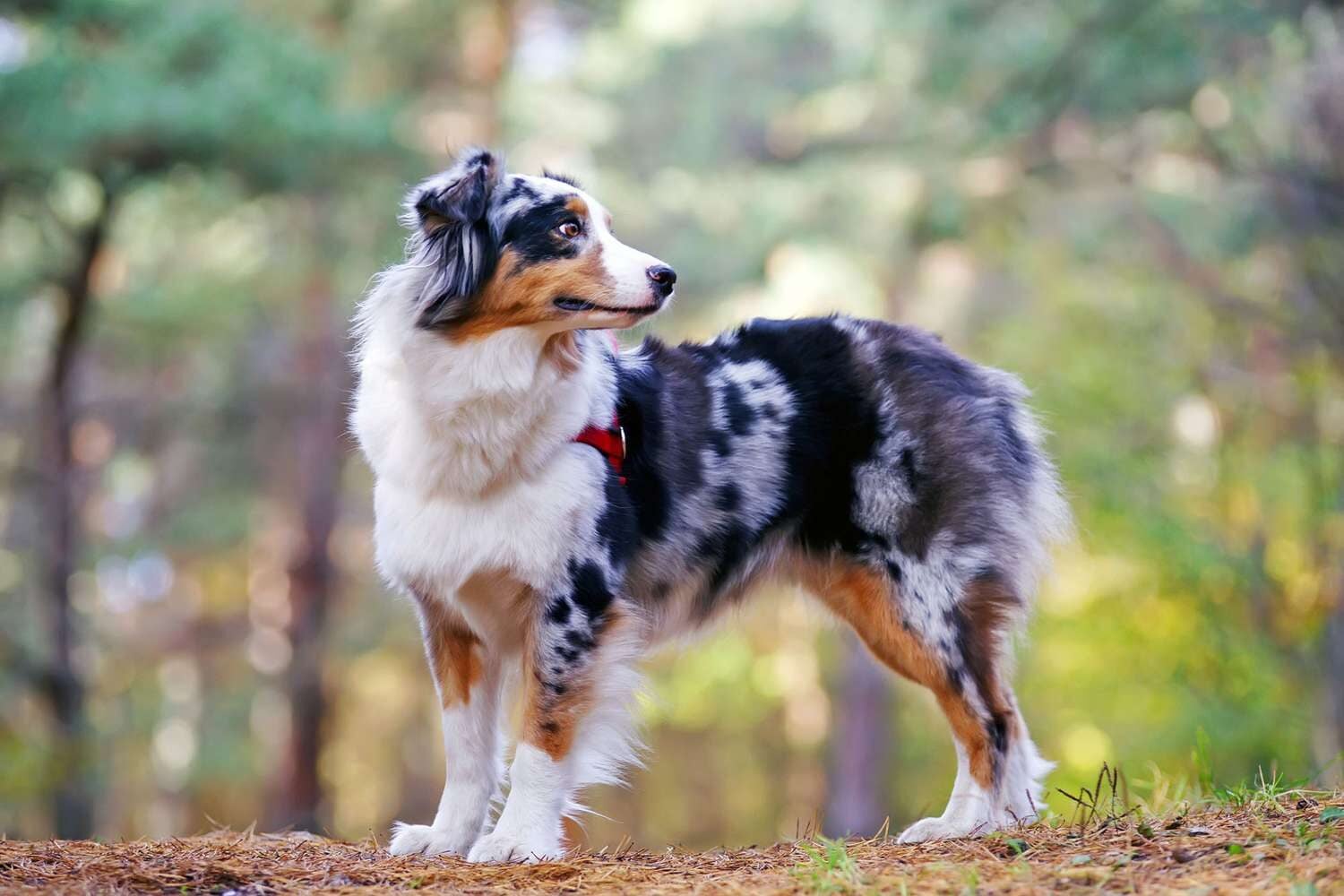
Some farm dogs help by alerting, staying near the house, or discouraging casual predators. German Shepherds, Australian Shepherds, and mixed farm dogs may bark when something is wrong. That can be useful. But that does not make them livestock guardian dogs.
Many non-LGD breeds have higher prey drive. Some can be trained to leave chickens alone, but they usually do not bond with the flock in the same way. Treat them as alert dogs, not full-time poultry guardians.
Coop Security Still Comes First
The University of New Hampshire Extension notes that predator management starts with secure housing, fencing, and nighttime lockdown, and that free-range birds are inherently more vulnerable. Their poultry predator guide is a useful reference: protecting chickens from predators.
That advice matters even if you own a guardian dog. Chickens should be locked in a predator-resistant coop at night. Hardware cloth beats chicken wire for security. Latches should resist raccoon hands. Feed should be stored in sealed containers so you are not inviting trouble to the coop.
If you are planning or resizing housing, our guide to chicken coop size can help you avoid crowding, which makes birds harder to manage and more vulnerable to stress.
How to Raise a Dog With Chickens
Start before the dog has access. Put the puppy in a pen near chickens or walk it on leash outside the run. The first goal is calm observation. If the pup fixates, stalks, lunges, or barks with excitement, interrupt and redirect. Reward looking away, lying down, and ignoring the birds.
Do not rush off-leash time. Try short supervised sessions with calm adult hens before trusting the dog with chicks, broody hens, or ducks. Keep the dog tired but not overstimulated. Young dogs make better choices when they are not bored, frantic, or left alone too long.
Our guide to buying and caring for livestock guardians covers the bigger LGD setup, including sourcing from working parents and understanding the 18-month to two-year maturity window.
The Best Choice for Most Chicken Keepers
For most homestead flocks, the best guard dogs for chickens are Great Pyrenees and Maremma Sheepdogs. They are still serious working dogs, but they are often better matched to poultry than harder, wider-ranging breeds. Anatolians, Akbash, and Kangals can work when predator pressure is high and the owner is experienced.
Choose for the job, not the look. Then build the system around the dog: strong fencing, secure coop, supervised training, and clear expectations. That is how a chicken guard dog becomes protection instead of another problem to solve.
Frequently Asked Questions About Best Guard Dogs for Chickens
What is the best dog to protect chickens?
For many homesteads, the Great Pyrenees or Maremma Sheepdog is the best starting point. Both are livestock guardian breeds often suited to poultry when raised carefully.
Will a dog keep hawks away from chickens?
A guardian dog may discourage some aerial predators by being present and alert, but covered runs, shelters, and good range design still matter.
Can any dog be trained to guard chickens?
Some dogs can learn to leave chickens alone, but true poultry guardians are usually livestock guardian breeds with low prey drive and strong bonding instincts.
Do chicken guard dogs need training?
Yes. They need supervised exposure, correction for chasing, boundary training, and time to mature.