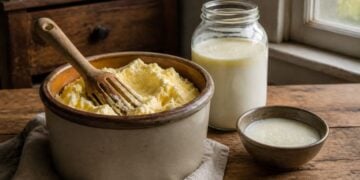

When grocery prices spike or your homestead fridge is overflowing after milking day, it’s natural to wonder: can you freeze milk? The short answer is yes, but with a few caveats. Whether you’re stocking up for winter, saving a bulk buy, or freezing fresh milk from your own animals, knowing how to do it properly makes all the difference in taste and texture.
Freezing milk can be a real money saver and a time saver for busy families. But if you don’t understand how fat and water behave in the freezer, you might end up with grainy, separated milk that’s less than appetizing. Let’s break down exactly how to freeze milk the right way, how to thaw it, and what to watch for once it’s back in your fridge.

Why You Might Want to Freeze Milk
There are plenty of reasons to freeze milk—especially if you’re running a household that values self-sufficiency.
- Seasonal surplus: In the height of milking season, a single cow or goat can produce more than your family can drink.
- Grocery deals: Bulk buying when milk’s on sale can trim your grocery bill.
- Meal prep and baking: Having frozen milk ready for recipes saves time and reduces waste.
- Emergency preparedness: Keeping a little extra in the freezer means you won’t be caught short before a storm or supply shortage.
Freezing milk is easy—but not every type of milk behaves the same once frozen.
Which Types of Milk Freeze Best
Different kinds of milk have different fat contents, and that fat affects texture after thawing. Here’s what to expect:
🥛 Whole Milk
Yes, you can freeze whole milk, but expect some separation once thawed. The fat may rise to the top, leaving a slightly grainy appearance. A good shake or whisk usually helps.
🐄 2% and Skim Milk
These lower-fat milks freeze and thaw with less noticeable texture changes. If you mostly use milk for cooking, these are the easiest options.
🐐 Goat or Sheep Milk
These freeze well but may take on a stronger flavor once thawed. Chill before freezing to slow enzyme activity and preserve flavor.
🥥 Plant-Based Milks
Almond, oat, and soy milks can technically be frozen, but the emulsifiers in them often separate. They’re fine for smoothies or baking but not great for drinking.
How to Freeze Milk Step by Step
If you want the best results, you can’t just toss a jug in the freezer. Here’s how to do it properly:
- Choose your container.
Plastic containers, freezer-safe glass jars (with plenty of headspace), or even ice cube trays work well. Avoid filling glass containers to the top—milk expands as it freezes and can crack the glass. - Leave headspace.
Leave about 1 to 1½ inches of space at the top of the container to allow for expansion. - Label everything.
Mark the date and type of milk. Frozen milk keeps best for about 3 to 6 months. - Freeze quickly.
Place containers in the coldest part of the freezer, not the door, for faster freezing and smaller ice crystals. - Optional: pre-portion.
Pour milk into silicone muffin molds or ice cube trays for easy use in recipes later.

How to Thaw Frozen Milk
Patience is key here. Thawing too fast leads to texture issues.
- Thaw in the fridge: Place the container in the refrigerator for 24 hours. Slow thawing helps milk proteins and fats re-emulsify.
- Avoid heat: Don’t microwave or thaw on the counter. Rapid temperature changes encourage bacterial growth.
- Shake or stir before using: Once thawed, the milk may look slightly separated—just give it a good shake to bring it back together.
If you’re using thawed milk for baking, cooking, or smoothies, it will taste just like fresh. For drinking straight, expect a small change in mouthfeel, especially with whole milk.
Chef Reem Tiltman recommends thawing frozen milk in the refrigerator, then shaking or stirring it after it thaws because separation can affect texture. USDA food safety guidance also advises refrigerator thawing at 40°F or below, rather than leaving frozen food on the counter.

What to Watch Out For
Freezing doesn’t ruin milk, but there are a few things you’ll want to pay attention to:
- Texture changes: Slight graininess or separation is normal, not spoilage.
- Odor: A sour or rancid smell is a reason to discard thawed milk, but smell alone cannot confirm safety. Follow time-and-temperature guidance and discard it when storage history is uncertain.
- Freezer burn: Make sure your container is airtight to prevent off flavors.
- Color: Slight darkening or a yellowish tint is normal—caused by fat molecules concentrating as water freezes.
If you’re freezing raw milk, consider skimming off some cream first. High-fat raw milk can separate more dramatically than pasteurized.
Tips for Using Thawed Milk
Once thawed, use milk within 3 to 5 days. Here are some of the best ways to use it up:
Tiltman favors thawed milk for cooked dishes such as béchamel, chowder, or rice pudding, where blending and heating make a slightly grainy texture less noticeable. She finds it less appealing as a cold drink after freezing. This is a quality preference, not a safety test.
- Pancakes, muffins, and quick breads
- Creamy soups and chowders
- Homemade yogurt or ricotta
- Coffee or tea
- Smoothies and protein shakes
And if you’re using frozen milk cubes, they work beautifully in iced coffee or tea without watering down the flavor.
Can You Freeze Other Dairy Products?
If you’re doing a freezer stock-up, here’s a quick guide for other dairy:
| Product | Can You Freeze It? | Tips |
|---|---|---|
| Heavy cream | ✅ Yes | Whip before freezing for best results |
| Half-and-half | ✅ Yes | Expect slight separation |
| Buttermilk | ✅ Yes | Great for baking after thawing |
| Yogurt | ✅ Yes | Texture changes, but fine for smoothies |
| Cheese | ✅ Some | Hard cheeses freeze better than soft |
Common Questions About Freezing Milk
How long can milk stay frozen?
For best quality, use within 3 months. It’s safe up to 6 months, but texture may degrade.
Can I refreeze milk after thawing?
No. Once thawed, milk should not be refrozen due to bacterial risk and texture loss.
Does frozen milk lose nutrients?
Nutrient loss is minimal—maybe 1–2% of certain B vitamins—but protein and calcium remain intact.
Can I freeze milk in its original jug?
Only if the jug isn’t completely full. Most commercial jugs don’t have enough expansion space.
So Can You Freeze Milk?
So—can you freeze milk? Absolutely. Just handle it gently, give it room to expand, and remember that thawed milk shines best in cooking and baking. Freezing is a simple, resourceful way to make the most of every drop, whether it’s from your local dairy or your own barn.
Tell me in the comments below—have you tried freezing milk before? What worked best for you?
Sign up for the newsletter for more kitchen and homestead tips delivered seasonally. A surplus usually starts with a family cow. Here is how to milk a cow. Goat milk freezes just as well — see how to milk a goat. If you are choosing an animal for the job, start with the Jersey cow.