
Starting a pantry does not have to mean buying half the grocery store or turning your kitchen into a showroom of matching containers. Most useful pantries start smaller than that. One shelf. A few bags of beans. Rice you know how to cook. Oats for breakfast. Flour for biscuits, pancakes, gravy, or bread. A little intention.
That is enough to begin.
If you are new to cooking from scratch, trying to save money, or building a more self-reliant kitchen, pantry staples give you breathing room. They turn last-minute meals into something manageable. They help you shop less often, waste less food, and cook even when the fridge looks uninspiring.
The goal is not to own every possible ingredient. The goal is to keep the right ingredients for the way your household actually eats. A pantry that supports soups, beans, cornbread, oatmeal, simple pasta, and basic baking will do more for you than a crowded cabinet full of foods you bought because someone else’s list said you should.
Key Takeaways
Why Pantry Staples Matter
A pantry is not just storage. It is a working part of the kitchen.
When you have a few reliable dry goods, canned foods, oils, and seasonings, dinner does not depend on one perfect grocery trip. You can stretch leftovers, make soup from scraps, turn rice and beans into a filling meal, bake something simple, or pull together lunch without ordering out.
A practical pantry also helps with the grocery budget. If saving money is part of the reason you are building yours, pair this guide with our article on how to save money on groceries. The two habits go together: shop from what you have, keep versatile basics on hand, and stop buying duplicates because the cabinet is too chaotic to read.
Pantry building also gives you a little steadiness. Weather, illness, busy weeks, tight budgets, and surprise company are all easier when the kitchen has a foundation.

Before You Stock Up, Check Three Things
Do not start with a huge cart. Start with a look around.
Your Space
Do you have a cabinet, closet shelf, bookcase, basement shelf, pantry cupboard, or a clean storage tote? You do not need a walk-in pantry. Many good pantries start in one cabinet or on a repurposed shelf.
The important things are dryness, visibility, and access. Food that gets shoved into a dark corner and forgotten is not a pantry. It is waste waiting to happen.
Your Budget
Pantry building should be gradual. Buy one or two categories at a time, especially if money is tight. A few extra pounds of rice or a couple bags of beans can be useful. A cart full of unfamiliar bulk foods can become expensive clutter.
Look for weekly sales, store brands, bulk bins, discount grocers, and seasonal baking sales. Build slowly enough that you still know what you bought and how you plan to use it.
Your Cooking Habits
This is the part people skip. Ask what you actually cook.
If you bake, flour, sugar, yeast, baking powder, baking soda, salt, and vanilla make sense. If you make soup often, lentils, rice, dry beans, canned tomatoes, broth base, and seasonings matter more. If your household eats a lot of oatmeal, burrito bowls, cornbread, tuna salad, pasta, or peanut butter toast, stock for those meals first.
There is no universal pantry staples list that fits every kitchen. The best list is the one that supports real dinners.
Beginner Pantry Staples List
Use this as a starter list, not a commandment. Choose a few from each section and expand as your budget and habits allow.
Dry Goods
- Rice, white or brown
- Oats
- Pasta
- All-purpose flour
- Cornmeal
- Lentils
- Dry beans, such as pinto, black, or navy
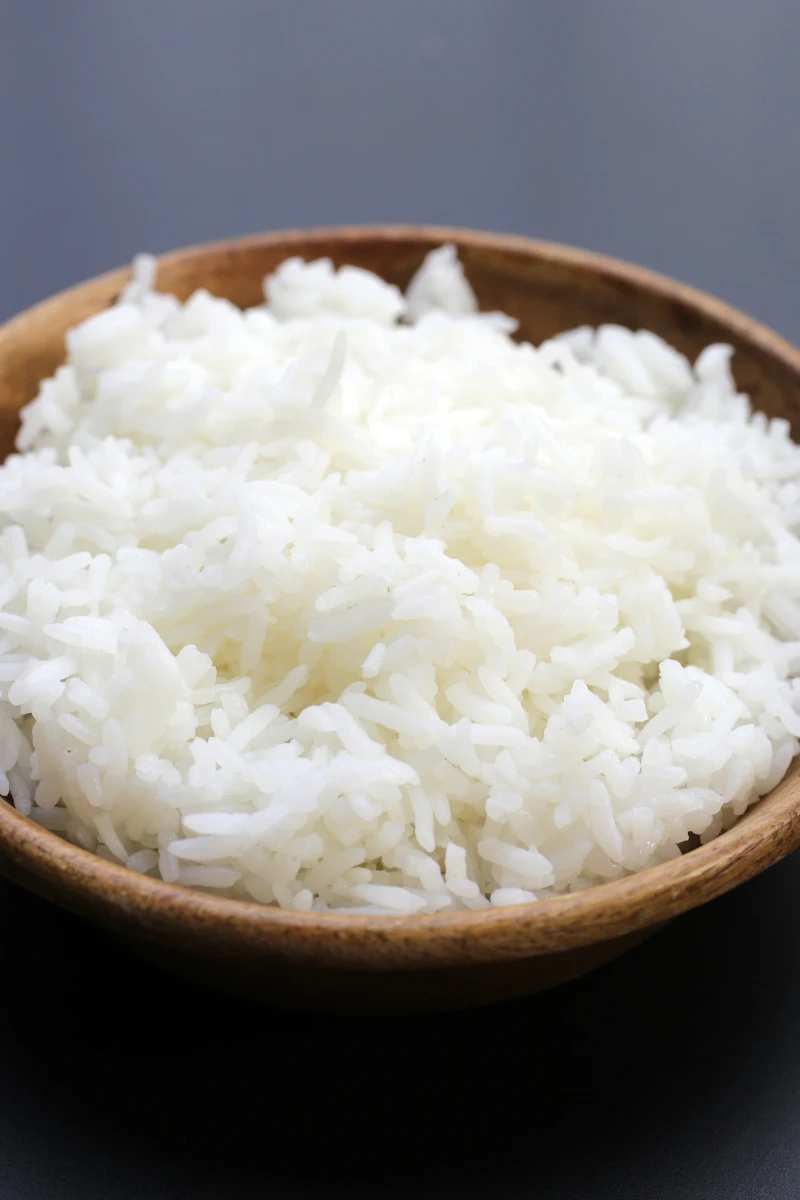
Dry goods are the backbone because they are filling, flexible, and usually inexpensive per serving. Rice can become burrito bowls, soup filler, fried rice, or a simple side. Oats can be breakfast, granola, muffins, or a binder in meatloaf. Dry beans take time, but they are one of the most useful frugal foods in a homestead kitchen.
Baking and Basics
- Sugar
- Baking powder
- Baking soda
- Salt
- Yeast
- White vinegar
- Apple cider vinegar
- Vanilla extract
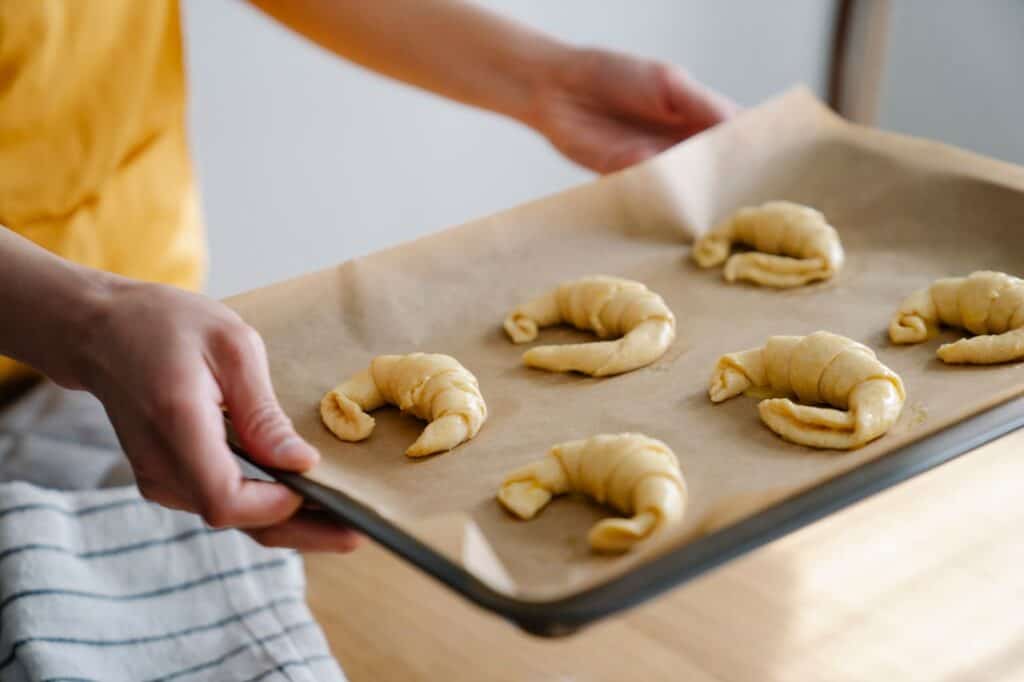
These are the ingredients that make scratch cooking easier. You do not need to bake elaborate loaves every week to benefit from them. Flour, salt, baking powder, and fat can become biscuits. Cornmeal and a few basics can become cornbread. Vinegar helps with dressings, marinades, pickles, and cleaning tasks around the kitchen.
If you use brown sugar often, it is also worth knowing how to make homemade brown sugar from pantry basics instead of making a special trip.
Canned and Jarred Foods
- Crushed tomatoes
- Canned beans, if you are not using dry
- Tuna or chicken
- Peanut butter
- Jam or jelly
Canned tomatoes can rescue dinner. They turn into pasta sauce, soup, chili, shakshuka-style eggs, Spanish rice, or a base for simmering beans. Canned protein is useful for quick lunches. Peanut butter is breakfast, snack, baking ingredient, and emergency sandwich all at once.
Oils and Fats
- Olive oil
- Vegetable oil or coconut oil
- Shortening or lard
Keep the fats you use, not the fats you think you should use. One everyday cooking oil and one baking or frying fat are enough for a beginner pantry. Store oils away from heat and light so they stay fresh longer.
Spices and Seasonings
- Garlic powder
- Onion powder
- Italian seasoning
- Chili powder
- Cinnamon
- Bouillon cubes or paste
Seasoning is where simple food becomes repeatable instead of boring. Beans, rice, pasta, soup, and roasted vegetables all need help. Start with a small set you know you will use, then add slowly.
Bouillon is especially useful in a budget pantry. It gives quick flavor to rice, lentils, soup, gravy, and pan sauces without needing boxed broth every time.
Bonus Staples as Budget Allows
- Soy sauce
- Hot sauce
- Honey
- Evaporated milk
- Coconut milk
These are not first-week essentials for everyone, but they add flexibility. Soy sauce helps with fried rice and marinades. Hot sauce wakes up beans and eggs. Evaporated milk can support baking and creamy soups. Coconut milk can turn pantry vegetables, lentils, and rice into a simple curry-style meal.
How to Build a Pantry Week by Week
Trying to buy everything at once is the fastest way to overspend. A better approach is one category per week.
Week 1: beans and rice.
Week 2: flour and sugar.
Week 3: canned tomatoes and tuna.
Week 4: oils, vinegar, and bouillon.
Week 5: spices you will actually use.
Week 6: bonus staples based on meals you already make.
This rhythm keeps the pantry affordable and gives you time to learn what moves. If the rice is gone in two weeks, buy more next time. If the lentils sit untouched for two months, do not buy five more bags just because they are frugal.

Use What You Have First
Before you buy containers, labels, or a bulk sack of anything, pull out what you already own. Group like with like: grains, baking items, canned foods, oils, spices, snacks, and extras.
You may be closer to a working pantry than you think. Most kitchens have partial bags, forgotten cans, duplicate spices, and a few ingredients that need a plan. Write those down and build a few meals around them before adding more.
A pantry inventory can be simple. A notebook page is enough. Write the item, rough quantity, and any use-first notes. If you prefer digital tracking, use a spreadsheet or Notion. The tool matters less than the habit of checking before shopping.
Store Pantry Food So It Stays Useful
Good storage is not about being pretty. It is about keeping food dry, clean, visible, and protected from pests.
Mason jars, recycled sauce jars, dollar-store bins, food-safe buckets, and simple baskets can all work. Label containers with the food name and purchase date, especially for items that look similar. Flour and powdered sugar are not fun to confuse. Neither are baking powder and baking soda.
The USDA FSIS says shelf-stable foods do not require refrigeration and can be safe for long periods, though quality can decline over time. It also recommends storing canned goods in a cool, clean, dry place away from extreme heat or cold, checking packages for holes that could allow moisture or pests, and using plastic or glass containers for extra protection on dry foods like rice, cereal, and pasta. Their dry goods storage guidance is a good reference when you are setting up pantry storage.
The practical version is simple: keep it dry, keep it sealed, keep it labeled, and rotate older food forward.
Rotate Stock Like a Tiny Store
Pantry food still needs attention. Put newer items in the back and older items in the front. When you bring home another bag of rice, do not pile it in front of the opened one. When you buy canned tomatoes, move the older cans forward.
This first-in, first-out habit is one of the easiest ways to reduce waste. It also helps you notice what you truly use. A working pantry should move. If something never moves, it might not belong on your staple list.
Check dates, but do not panic over every printed date. Many dates are about quality, not sudden danger. Use your senses, follow food safety guidance, and discard anything with spoilage signs, damaged packaging, swelling, rust, leaks, or pests.
Simple Meals From Pantry Staples
A pantry becomes useful when you cook from it. Here are easy meals that come from the starter list.
Oatmeal with cinnamon and peanut butter.
Rice, canned beans, chili powder, and salsa or tomatoes for budget burrito bowls.
Pasta with crushed tomatoes, garlic powder, onion powder, olive oil, and a little sugar or salt to balance the sauce.
Lentil soup with bouillon, tomatoes, garlic powder, onion powder, and whatever vegetables need using.
Cornbread with beans or soup.
Tuna mixed with mayo or yogurt, served on toast, crackers, rice, or greens.
Fried rice with leftover rice, eggs, garlic, frozen vegetables, and soy sauce.
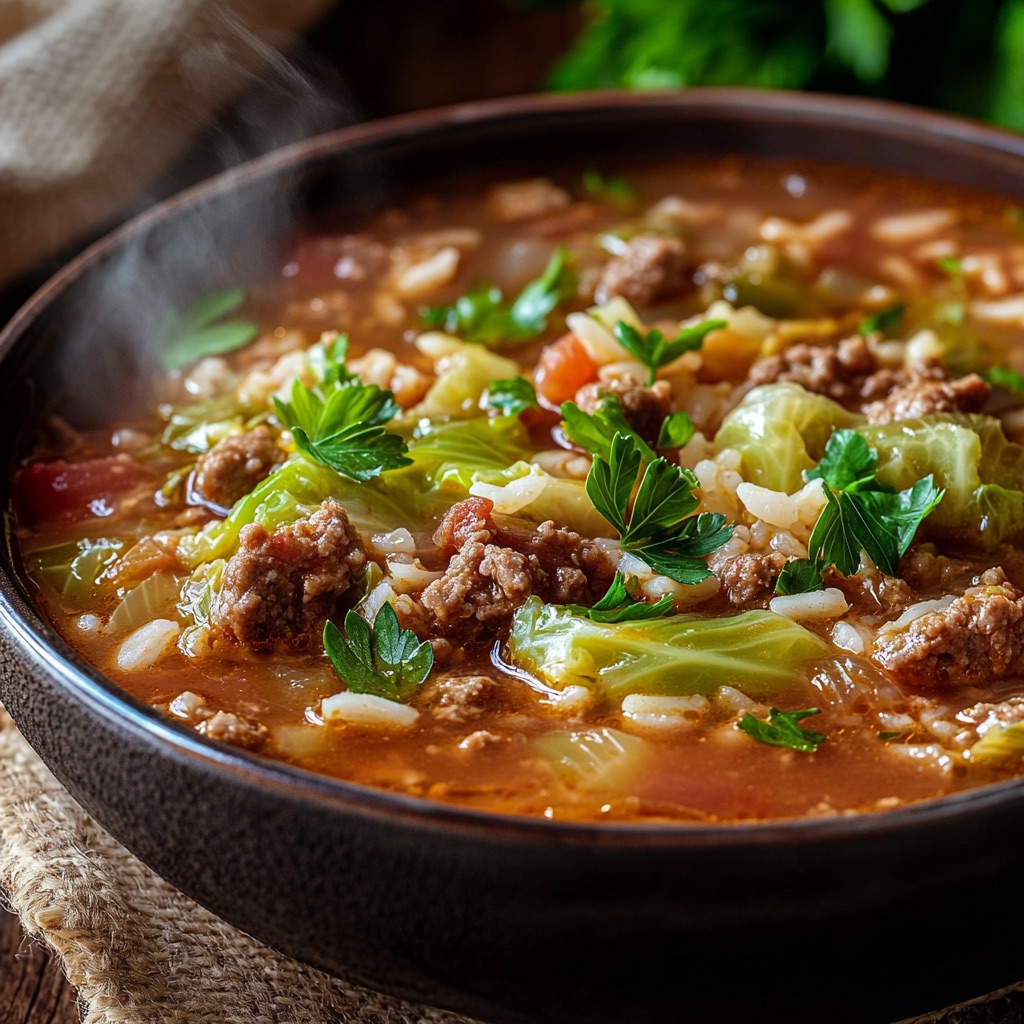
For a simple pantry-friendly meal idea, Cabbage Roll Soup is a good place to start because it uses basic, filling ingredients and stretches well.
Get the Free Printable Checklist
Want the list in one place? Print the Pantry Checklist and keep it on your fridge, inside a cabinet, or in your kitchen binder.
Final Thoughts
You do not need a perfect pantry to cook from scratch. You need a pantry that helps on ordinary days.
Start with one shelf. Buy food you already know how to use. Keep the list small enough to manage. Label what needs labeling. Rotate older items forward. Build slowly, one category at a time.
A good pantry is not about having everything. It is about having enough of the right things to make dinner possible when the week gets sideways. That is the kind of self-sufficiency that actually holds up.
Frequently Asked Questions About Pantry Staples: How to Build a Simple Pantry from Scratch
What are pantry staples?
Pantry staples are shelf-stable foods and cooking basics you use often, such as rice, oats, pasta, flour, beans, canned tomatoes, oils, vinegar, spices, and bouillon. The best staples depend on how your household actually cooks.
What should be in a beginner pantry?
Start with rice, oats, pasta, flour, cornmeal, lentils, dry or canned beans, canned tomatoes, peanut butter, sugar, salt, baking powder, baking soda, yeast, vinegar, oil, garlic powder, onion powder, chili powder, cinnamon, and bouillon.
How do I build a pantry on a tight budget?
Build one category at a time. Start with beans and rice, then flour and sugar, then canned tomatoes and basic proteins. Use store brands, sales, bulk bins, and discount grocers when they fit your budget.
Do I need matching containers for pantry storage?
No. Matching containers are optional. Clean jars, food-safe bins, baskets, and original packaging can all work if the food stays dry, sealed, visible, and protected from pests.
How often should I check my pantry?
Check before every grocery trip and do a deeper cleanout once a month. Move older food forward, write down what needs using, and remove anything stale, damaged, spoiled, or pest-compromised.