
Eco-friendly yard care is not about making every corner of a homestead look wild or giving up a useful lawn. It means choosing plants and practices that suit your climate, use water thoughtfully, build healthy soil, and solve problems without creating new ones. The best yard is still a working place: somewhere for people, animals, and gardens to thrive.
Start with the part of the property that asks the most from you. Maybe it is a thirsty patch of grass, a muddy dog run, a weedy garden edge, or a hose that runs longer than it should. Improving one small area at a time is more manageable than redesigning the whole homestead in a weekend.
What Makes Yard Care More Eco-Friendly?
A lower-impact yard starts with matching the surface to its purpose. Keep grass where children play or where you need a walkable open space. Put garden beds where the light and water access support them. Use shrubs, native flowers, and ground covers where a lawn offers little benefit. You can reduce maintenance while giving birds and beneficial insects places to live.
The choices work together. Deep-rooted plants can help soil absorb rainfall. Mulch protects that soil from heat and erosion. A smaller lawn can leave more room for plants suited to local conditions. Watering the right area at the right time helps avoid waste. None of these changes has to be perfect to be useful.
Walk the property after a rain and during a dry spell. Notice where puddles stand, where the soil cracks, which areas stay shaded, and where you actually spend time. Those observations tell you far more than a generic list of plants or products.
Key Takeaways
How Can You Use Less Water in the Yard?
Begin by grouping plants with similar water needs. This is called hydrozoning, and it prevents a drought-tolerant bed from receiving the same irrigation as a vegetable garden. The EPA WaterSense watering guidance recommends adjusting irrigation to the season, checking for broken or clogged heads, and keeping spray off pavement. Those simple checks often come before buying anything new.
Water deeply enough to reach roots rather than giving the surface a quick daily sprinkle. Check the soil a few inches down before watering again, and adjust for rainfall, soil type, and the plant itself. New plantings need more attention while roots establish; a mature native planting may need less supplemental water once established, depending on climate.
A layer of wood chips, shredded leaves, or clean straw can slow evaporation, reduce splashing, and discourage weeds. Keep mulch away from the crowns and trunks of plants so moisture does not stay against the stems. On a well-dependent property, tracking use can also show whether landscape changes are helping. Our guide to monitoring well water levels with sensors explains one way to watch supply over time.
Which Plants Belong in a Lower-Maintenance Yard?
Choose plants for your actual soil, sunlight, rainfall, and winter temperatures, not just for a label that says “native” or “drought tolerant.” A plant native to another region may still need extra water on your site. Your local extension office or native plant society can help narrow a list to species suited to your area.
Flowering plants with staggered bloom times offer food for pollinators across the season. Leave a few stems and seed heads standing where they will not interfere with paths or chores. If you want a useful first planting, a small bed near the vegetable garden is easier to maintain than a large meadow conversion. Our plants for bees guide offers ideas for building a pollinator-friendly space.
Reduce lawn gradually. A shaded strip that never grows well might become a mulched path. A sunny edge could hold shrubs and flowers. A compacted play area may still be best kept open, but it should drain well and get the maintenance it needs. There is no prize for replacing a surface that already works.
Is Artificial Turf an Eco-Friendly Yard Choice?
Artificial turf removes mowing and routine irrigation from a small area, but that does not make it an environmental win in every setting. It is a manufactured surface that does not feed pollinators or build living soil, and it may need rinsing, brushing, eventual replacement, and attention to runoff. In hot sun, surface heat can also matter for bare feet and pets.
That said, a narrow dog run or heavily worn corner may be a practical choice where living plants repeatedly fail. Compare it with permeable mulch, gravel suited to the site, a durable native ground cover, or a smaller patch of real grass before installing anything. Check drainage, shade, pet use, installation materials, and local rules. Keep food-growing areas and wildlife habitat in living soil.
If you already have artificial turf, remove leaves and debris regularly, pick up pet waste promptly, and follow the manufacturer’s cleaning instructions. For persistent odor or a deeper service, an artificial turf cleaning company is one option. Ask what cleaning products they use, where rinse water will go, and whether the method is appropriate around pets and nearby garden beds. Do not assume a service is chemical-free without checking.
How Do You Manage Yard Pests Without Broad Spraying?
First identify the pest and decide whether it is causing meaningful damage. A few chewed leaves rarely justify treating the whole yard. Inspect the undersides of leaves, look for eggs or larvae, and note whether the problem is spreading. Many insects on a homestead are pollinators, decomposers, or predators of pests.
Start with physical steps when they fit: handpick a small outbreak, use a correctly placed row cover, improve airflow, remove badly affected plant material, and keep plants from drought stress. Flowering herbs and native plants can support beneficial insects, but they do not guarantee that every pest disappears. For pests around buildings and feed, a separate homestead pest inspection helps you find food, moisture, and entry points instead of treating symptoms.
If a pesticide is needed, use a product labeled for the exact pest and plant, and follow the label. “Natural” is not a substitute for safety directions. Avoid spraying flowers visited by pollinators, and keep children and animals out of treated areas as directed. The goal is a targeted response, not a yard without insects.
Build Soil With Compost and Mulch
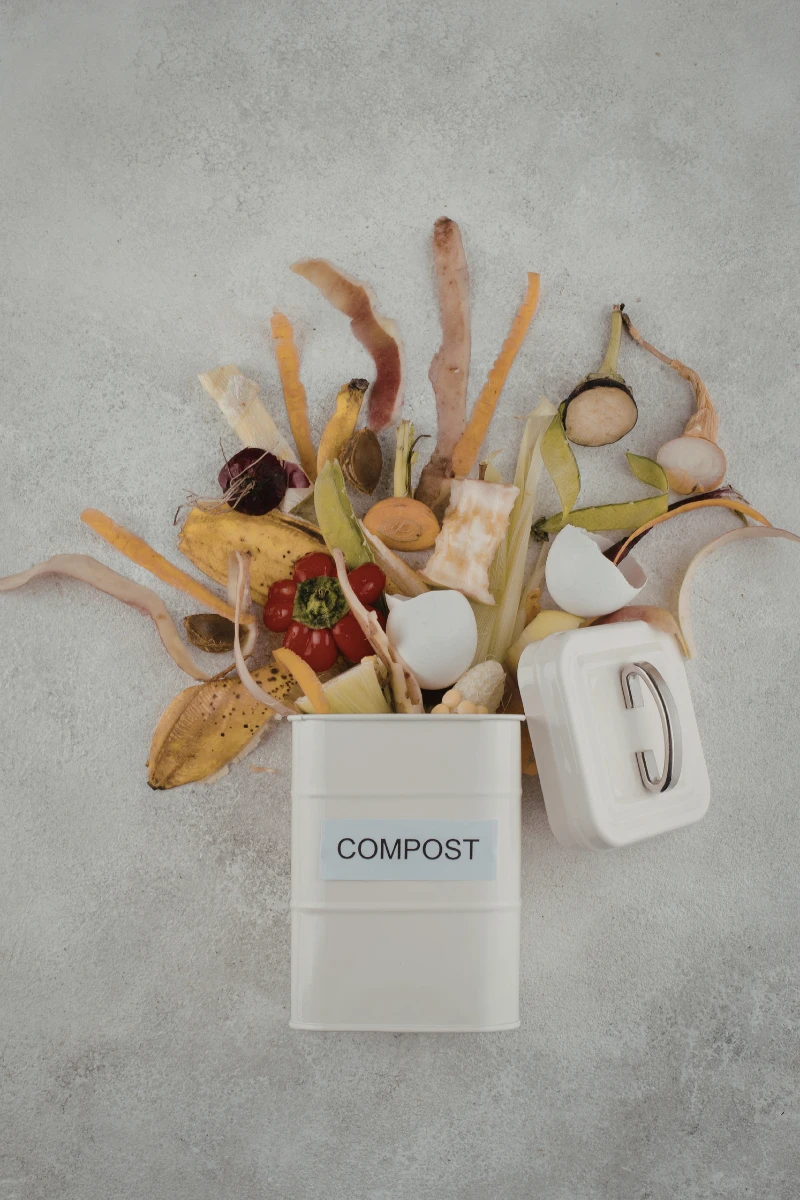
Compost turns suitable kitchen scraps and yard trimmings into an amendment that supports soil structure. Combine moist, nitrogen-rich materials with dry leaves, straw, or shredded cardboard, then keep the pile damp but not waterlogged. Aerate when it becomes compacted or smells sour. How quickly compost finishes depends on particle size, moisture, temperature, and how often you turn it. If plants still struggle, test your soil pH before guessing at an amendment.
Do not promise yourself finished compost by a particular month. Use it when the original ingredients are no longer recognizable and the material smells earthy. If you are considering animal manure for food beds, follow local extension food-safety guidance; manure-based compost needs careful handling and a different standard from a casual pile of leaves. For more on preparing productive soil, see our guide to preparing garden beds for spring.
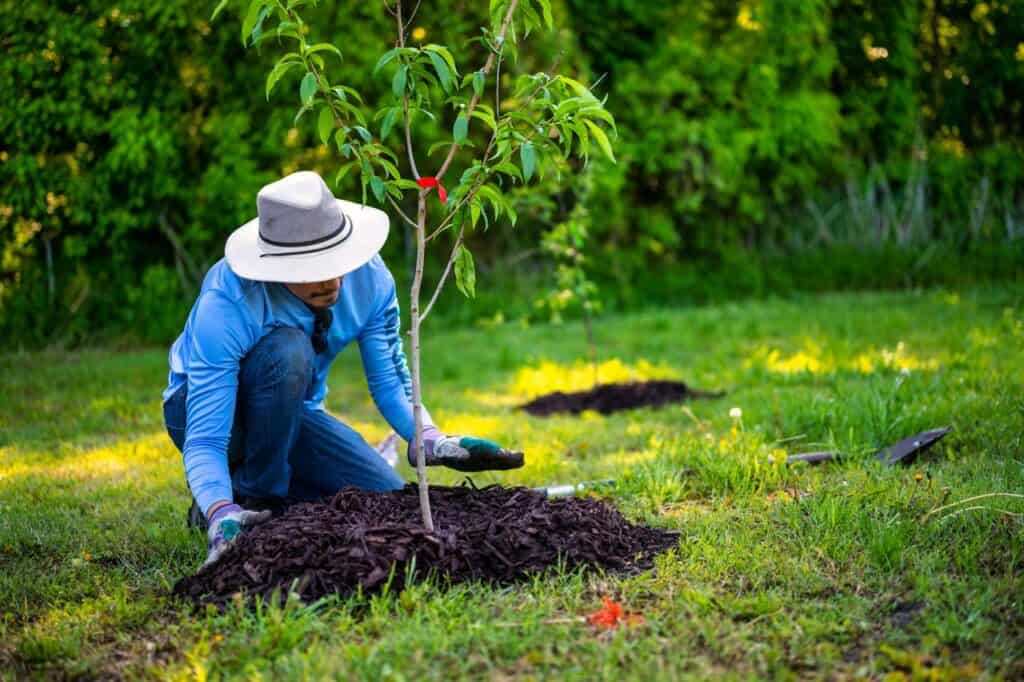
Mulch is useful even when you are not making compost. Spread it over exposed soil in beds and paths, leaving space around plant stems. It slows erosion, moderates temperature, and can make watering more effective. Refresh it as it breaks down rather than piling a thick mound against trees.
A Simple Seasonal Eco-Friendly Yard Care Routine
- Spring: inspect irrigation, test soil where needed, add compost to beds, and plant locally suitable species.
- Summer: water based on soil conditions, refresh mulch, scout pests before treating, and check pet areas for heat and drainage.
- Fall: collect leaves for mulch or compost, plant suitable perennials, and reduce irrigation as growth slows.
- Winter: review what worked, protect exposed equipment, and plan one manageable change for the next growing season.
Keep a short notebook or phone note with the water use, plant survival, recurring pests, and hours of upkeep. A yard that looks lovely but requires more water and work than your household can spare is not serving the homestead. Change one thing, observe a season, then decide what deserves the next effort.
What is one part of your yard that could work better with less water or maintenance? Share the change you are trying in the comments, and tell us what your climate has taught you.
Frequently Asked Questions About Eco-Friendly Yard Care
What is the easiest way to start eco-friendly yard care?
Start with one high-input area. Check for irrigation leaks, mulch exposed soil, and replace a small section of unnecessary lawn with plants suited to your climate and site. Observe the results before expanding.
Do native plants need no water?
New native plantings still need water while roots establish. Established plants suited to your local soil and climate may need less supplemental irrigation, but drought, heat, and site conditions still matter.
Is artificial turf better for the environment than grass?
Not automatically. Artificial turf can avoid routine mowing and watering in a limited area, but it is a manufactured surface that provides little habitat and may require cleaning and eventual replacement. Compare it with living ground covers, mulch, and functional grass for the specific site.
Can compost replace fertilizer in every yard?
Compost can improve soil structure and provide nutrients, but it does not guarantee that every plant has the nutrients it needs. Use a soil test when growth problems persist, and follow food-safety guidance for manure-based materials.