
What You’ll Learn
Direct Answer
GI stasis in rabbits is an emergency where the digestive system slows down or stops moving normally. If your rabbit refuses food, stops producing droppings, produces tiny dry droppings, sits hunched, grinds its teeth, hides, or seems bloated and painful, call a rabbit-savvy veterinarian right away. Do not wait a day to see if it passes.
While you are arranging care, remove unsafe foods, offer fresh hay and water, keep the rabbit calm and warm but not overheated, and monitor appetite and droppings. Do not force-feed, give random medications, or massage a swollen belly hard unless your vet has ruled out obstruction and given specific instructions.
Why GI Stasis Is So Serious
Rabbits are built to eat and pass food constantly. Their digestive system depends on fiber, movement, hydration, and a healthy balance of gut microbes. When a rabbit stops eating, the gut can slow, gas can build, pain increases, and the rabbit becomes even less likely to eat. That cycle can become dangerous fast.
Merck Veterinary Manual explains that rabbits consuming inadequate fiber or rabbits that stop eating for other reasons can develop changes in gut bacteria, gas buildup, discomfort, and slowed food passage referred to as GI stasis. Its rabbit digestive-disorder guidance also stresses that GI stasis can be life-threatening if untreated. You can read the full veterinary overview of digestive disorders in rabbits.
On a homestead, it is easy to miss the first signs because rabbits are quiet prey animals. A rabbit may not look dramatic at first. It may simply leave pellets behind, skip hay, or produce fewer droppings. Those small changes matter.
Signs of GI Stasis in Rabbits
Watch your rabbits daily so you know what normal looks like. GI stasis often shows up first in appetite and droppings.
Common warning signs include:
- Refusing pellets, greens, hay, or favorite treats
- Fewer droppings than normal
- Tiny, dry, misshapen droppings
- No droppings
- Hunched posture
- Sitting still or hiding
- Pressing the belly to the floor
- Loud tooth grinding from pain
- Bloated or tight belly
- Low energy
- Cold ears or abnormal body temperature
- Reluctance to move
- Drooling or wet chin if dental pain is involved
A rabbit that refuses a favorite treat deserves attention. A rabbit that is not eating and not pooping is urgent. Do not assume it is just picky behavior.
What to Do Fast
If you suspect GI stasis, use a calm sequence.
- Call a rabbit-savvy veterinarian or emergency clinic.
- Tell them when the rabbit last ate and last passed droppings.
- Describe droppings: none, tiny, dry, soft, mucus, or diarrhea.
- Check whether the rabbit seems bloated, painful, cold, or weak.
- Offer fresh hay, fresh water, and familiar safe greens if the rabbit will eat voluntarily.
- Keep the rabbit quiet and protected from temperature extremes.
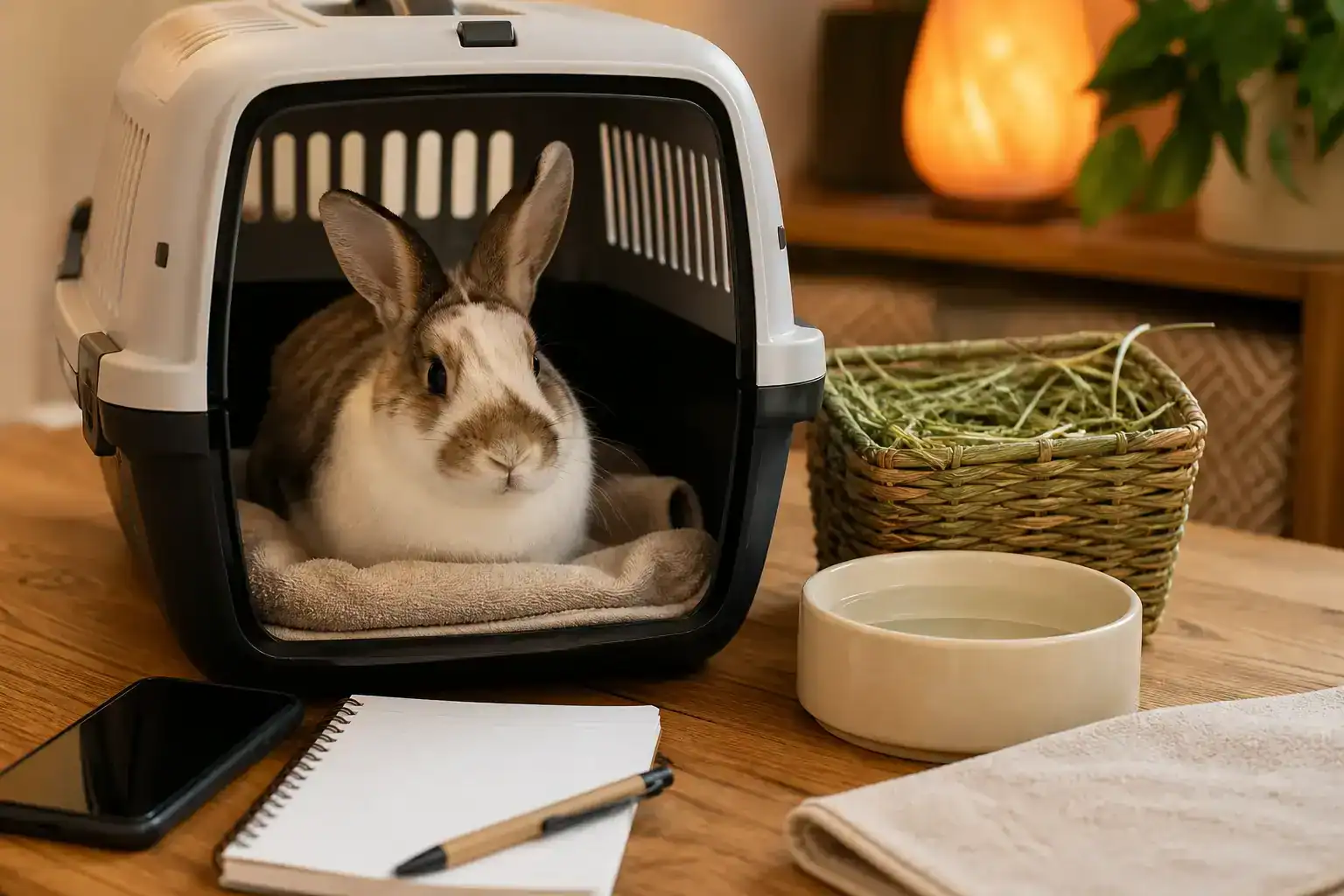
- Prepare a carrier and health notes for the vet visit.
Bring information, not guesses. Write down recent diet changes, stressors, heat exposure, new rabbits, medications, dental history, and anything the rabbit may have chewed.
What Not to Do
In a true emergency, the wrong home treatment can make things worse.
Do not:
- Wait 24 hours if the rabbit is not eating or not producing droppings.
- Force-feed a bloated rabbit without veterinary guidance.
- Give dog, cat, livestock, or human medication.
- Use leftover antibiotics.
- Give oil, laxatives, or home remedies without instructions.
- Assume all cases are hairballs.
- Roughly massage a painful belly.
- Ignore low temperature, severe lethargy, or collapse.
A blockage, bloat, dental abscess, infection, pain, or liver problem can look like simple stasis from the outside. That is why veterinary evaluation matters.
Common Causes of GI Stasis
GI stasis is often secondary to another problem. The gut slows because something else made the rabbit stop eating or drinking.
Common triggers include:
- Low-fiber diet
- Too many pellets or treats
- Sudden feed changes
- Dental disease or tooth pain
- Dehydration
- Heat stress
- Cold stress
- Pain from injury or arthritis
- Stress from predators, dogs, noise, transport, or new housing
- Obesity and low exercise
- Hair ingestion during heavy shedding
- Chewing carpet, fabric, plastic, or foreign material
- Recent illness
- Unsafe antibiotics or medications
Diet is one of the easiest prevention points to control. If you are unsure what a rabbit’s daily ration should look like, read What Do Rabbits Eat? and keep hay at the center of the plan.
Hay Is Prevention, Not Decoration
Unlimited grass hay is one of the most important tools for preventing GI stasis. Hay provides the fiber that keeps the gut moving and helps wear rabbit teeth. Pellets alone do not do the same job, and treats can crowd out the foods rabbits truly need.
A practical rabbit feeding setup should include:
- Unlimited grass hay
- Clean water every day
- Appropriate pellets in measured amounts
- Safe greens introduced gradually
- Very limited sugary treats
- No sudden feed changes
- No moldy hay or feed
Good hay should smell fresh, not musty. If a rabbit refuses a new bale, check quality before assuming the rabbit is difficult. Dusty, moldy, or coarse hay may reduce intake.
Water Intake Matters
Dehydration makes gut contents drier and harder to move. Rabbits must have reliable access to clean water. Some rabbits drink more from bowls than bottles, and many homesteads use both so there is a backup.
Check water daily for:
- Empty bowls
- Leaking bottles
- Frozen bottles or bowls
- Dirty water
- Algae in warm weather
- Clogged sipper tubes
- Bowls tipped into bedding
If your rabbit is eating less hay, also check water intake. Hay and water work together.
Housing and Stress
Stress can trigger a rabbit to stop eating. A predator hovering near the hutch, a barking dog, heat, cold, overcrowding, poor ventilation, damp bedding, or sudden relocation can all contribute.
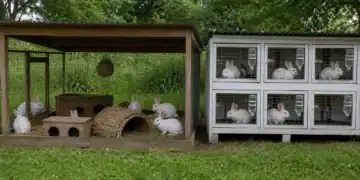
A good rabbit setup should feel boring in the best way: dry, shaded, predator-secure, well ventilated, and easy to clean. If your rabbit housing is still being improved, use Rabbit Hutch to think through shelter, airflow, flooring, and daily access.
For homestead rabbits, pay special attention to weather. Heat can stop a rabbit from eating quickly. Cold drafts can stress young or vulnerable rabbits. Wet bedding is never harmless.
Dental Problems and GI Stasis
Rabbit teeth grow continuously. If teeth do not wear properly, sharp points, overgrowth, or dental pain can make eating uncomfortable. A rabbit with tooth pain may stop eating hay first, then pellets or treats later.
Possible dental clues:
- Drooling
- Wet chin
- Dropped food
- Selective eating
- Weight loss
- Eye discharge
- Facial swelling
- Refusing hay but eating soft foods
Dental problems need a vet. You cannot fix sharp molars by changing treats. Regular hay intake helps, but once pain is present, the rabbit needs an exam.
Baby Rabbits and Weaning Risk
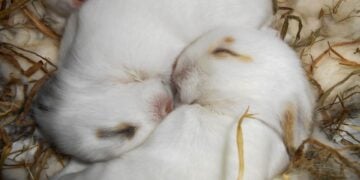
Young rabbits can go downhill quickly when diet, stress, or weaning changes disrupt the gut. Watch newly weaned rabbits closely for appetite, droppings, hydration, and behavior. Do not make sudden feed changes or overdo rich treats.
If you are raising litters, review Baby Rabbits for the broader care timeline. GI health starts before weaning with clean housing, steady feed, and careful observation.
Young rabbits with true diarrhea, mucus, weakness, or sudden decline need immediate veterinary care. Do not confuse soft cecotropes stuck to fur with dangerous diarrhea, but do not dismiss messy hindquarters either.
Emergency Kit for Rabbit Owners
A rabbit emergency kit does not replace a vet, but it helps you respond quickly and provide accurate information.
Useful supplies:
- Digital thermometer
- Gram scale or small pet scale
- Oral syringes
- Critical-care herbivore recovery food, used only with vet guidance when obstruction is not suspected
- Clean towels
- Travel carrier
- Fresh hay
- Vet contact list
- Notebook for appetite, droppings, and medication instructions
- Small flashlight
Know where the carrier is. Know which clinic sees rabbits after hours. Waiting until a rabbit is hunched and cold is too late to start searching.
Prevention Checklist
Use this daily and weekly prevention list:
- Unlimited grass hay is available.
- Water is clean, reachable, and working.
- Pellets are measured, not free-poured endlessly.
- Treats are limited.
- Droppings look normal for that rabbit.
- The rabbit is active and interested in food.
- Housing is dry, ventilated, and predator-secure.
- Loose fur is brushed during shedding.
- Exercise space is safe and free of carpet, cords, and fabric chewing hazards.
- Dental checks are part of routine vet care.
- Diet changes are gradual.
When It Is an Emergency
Treat it as urgent if your rabbit:
- Has not eaten in several hours and refuses favorite food
- Has no droppings or very few droppings
- Has a swollen or painful belly
- Is weak, cold, collapsed, or very lethargic
- Has true diarrhea
- Is grinding teeth loudly
- Seems unable to get comfortable
- May have eaten carpet, fabric, plastic, or another foreign object
GI stasis in rabbits is not a wait-and-see problem. Fast action is often the difference between a manageable vet visit and a crisis.
Frequently Asked Questions About Rabbit GI Stasis
How long can a rabbit go without eating?
A rabbit that is not eating should be treated as urgent. If your rabbit refuses food or stops producing droppings, call a rabbit-savvy veterinarian right away rather than waiting overnight.
Is GI stasis in rabbits always fatal?
No. Many rabbits recover with prompt veterinary care, fluids, pain control, nutritional support, and treatment of the underlying cause. Delay makes the situation more dangerous.
Should I force-feed a rabbit with GI stasis?
Not until a veterinarian has advised it. Force-feeding can be dangerous if the rabbit has a blockage, severe bloat, or another condition that needs different treatment.
What causes GI stasis in rabbits?
Common causes include low-fiber diet, dehydration, dental pain, stress, heat, illness, obesity, pain, foreign material ingestion, and sudden diet changes.
How can I prevent GI stasis?
Provide unlimited grass hay, clean water, measured pellets, exercise, safe housing, limited treats, regular brushing, gradual diet changes, and routine rabbit-savvy veterinary care.