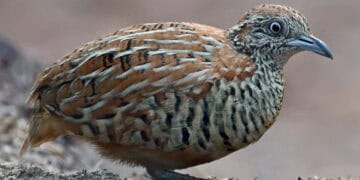

Raising quail in winter comes down to two things: dry bedding and a wind block low to the ground, not a heater. Our flock lives in a walk-in aviary with a metal roof and tin sides, the same space they use every month of the year, and cold weather has never sent us looking for heat lamps. Coturnix quail handle far more cold than their small size suggests. What actually breaks a flock down is wet bedding and wind cutting across the ground where they sleep, not the temperature on the thermometer. Once you separate those two problems, winter care gets simple.
Key Takeaways

How Cold Can Quail Actually Handle?
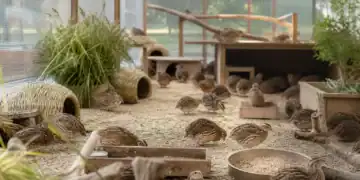
Our winters here in Oklahoma never follow a neat pattern. One week feels mild, and the next drops into the teens with wind that cuts straight across the pasture. That wind, not the low number on the thermometer, is what we plan around. A metal roof keeps snow and sleet off the bedding without any extra work. Tin panels wrapped around the lower half of the aviary block the wind at the height the birds actually live at, while the top stays open year round for airflow.
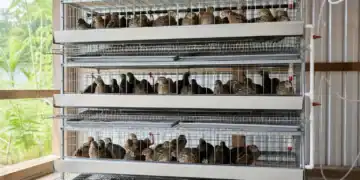
Closed coops trap damp air, and damp air chills a bird faster than dry cold ever will. You can stand inside our aviary during a cold front and feel the air go still around your legs while wind still moves above shoulder height. That is the balance to build toward: wind blocked low, air moving high.
How Much Hay Bedding Do Quail Need in Winter?
We bed the aviary with loose hay four to six inches deep, and the birds do the rest. The moment you spread a fresh layer, quail start tunneling and packing it around stumps and branches until they have built their own nest. Those hay pockets trap body heat, and it takes far less space than you would expect for a bird to make a warm spot for itself. Once a bird decides on its favorite corner, it comes back to that same spot every night.

Refresh the hay when it starts to flatten or when you see dampness building near the water station. This is not a deep clean every time. Toss a new layer on top and let the birds rearrange it however they want. Stripping the pen down to bare ground in winter takes away the insulation they already built and does more harm than good.
Natural Shelters Quail Prefer Over a Built Coop
Stumps, limbs, dried plants, and an overturned pot or two stay in our aviary year round, but they earn their keep most in winter. Quail use them as wind blocks and hiding spots, wedging themselves between branches or burrowing next to a tree trunk base. Every winter it is tempting to build a small insulated house for them, and every winter they ignore it in favor of the hay nest they built themselves. Spread hay around these features and let the flock take it from there.
What to Use for Water When Temperatures Drop Below Freezing
A flexible rubber bowl makes freezing mornings simple, because you can flex the ice out in seconds instead of chipping at a plastic waterer. On the coldest days, check it once in the morning and once in the late afternoon. The bowl thaws a little more each time you break the ice, and the birds drink steadily between checks. Once temperatures climb back above freezing, switch back to an automatic waterer.
Do Quail Need Heat Lamps or Supplemental Light in Winter?
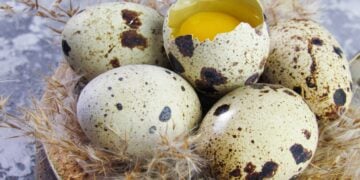
We do not run heat or supplemental light for our flock, and we would not recommend either inside a small aviary. A heat lamp is a fire risk in a space full of dry hay, and quail generate enough body heat in a deep bed to stay warm without one. Winter naturally slows egg laying, and we treat that as part of the rhythm of keeping animals rather than a problem to fix. A small light on a timer can hold production steady if winter eggs matter to your operation, but a healthy flock does fine without it.
The same principle drives commercial cold-weather poultry housing: moisture control and airflow matter more than raw heat. The University of Minnesota Extension covers this in detail for small-scale flocks, and the core lesson holds for quail as much as chickens.
Raising Quail in Winter With a Larger Flock

A larger flock teaches you more about winter behavior than a small one ever could. With forty quail in the aviary, the same patterns repeat every year. The birds covey tighter as the temperature drops and move less in the early morning, staying tucked in their hay nests until the sun hits the metal roof. Once it does, they wake up and scatter across the space to scratch, dig, and explore the branches.
On windy days they stay lower and close to the walls, and by midday you can tell which corners they trust most during that particular cold spell. A flock this size also feels calmer in cold months than warm ones. Cooler weather seems to take the edge off squabbles, and the birds spend less energy on heat stress and more on finding the best hay pocket.
Cleaning the Aviary Without Disrupting Winter Shelters
Winter cleaning looks nothing like summer cleaning. Do not rake everything out or disturb the hay mounds unless something smells wrong or turns wet. Add new hay to the top and let the birds settle it themselves, and only pull out the sections near the water bowl when they turn damp. The only regular chore is checking for soggy spots, since the areas near water and high-traffic edges are the first to turn.
Signs of Winter Stress in Quail and How to Fix Them

A few signs tell you how the flock is handling the season. If the birds stop moving as a group and start pacing along the wire, wind is likely hitting them at ground level and the wind block needs reinforcing. If they huddle in a tight pile long after sunrise, the bedding has gone thin or flat, and a fresh layer of hay usually spreads them back out. If any single bird separates itself from the group, watch it for the next few hours. Most winters pass without any of these issues once the setup is dialed in.
The Winter Mistake Most Homesteaders Overlook

Wind gets all the attention, but ground moisture is what actually complicates winter care. Once soil turns damp, cold settles into it and pulls heat straight out of a bird standing on it. Tin sides and a metal roof help, but hay is what makes the real difference, since it lifts the birds’ feet off cold soil and gives them something dry to sit on. You can see the change in their posture after a fresh layer goes down. They sit taller and press into the base of a stump instead of hunching against the cold.
Raising Quail in Winter Does Not Need to Be Complicated
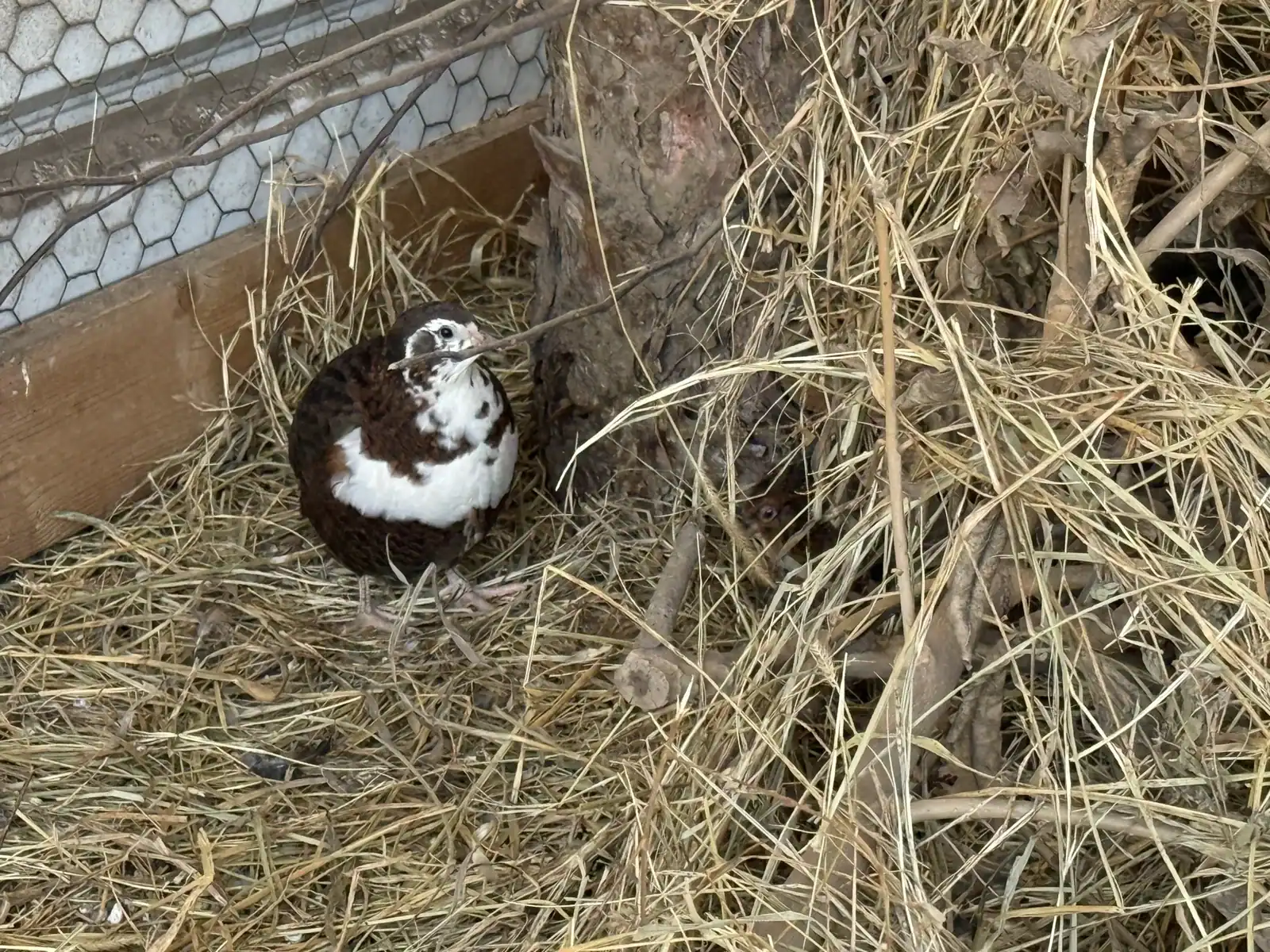
We have tried more complicated systems in the past, and none of them made winter any easier than just letting the aviary stay an aviary. The birds choose where to sleep, how to build their nests, and how deep to bury themselves in the hay. A metal roof keeps the weather off, tin walls break the wind, and everything else is their own instinct doing the work. Quail thrive in winter on the basics: dry bedding, a calm floor, airflow above them, steady feed, and water they can actually use.
For the full setup this flock lives in year round, see our complete Coturnix quail guide, and if the eggs keep coming through the cold months, our notes on how long to boil quail eggs cover the kitchen side of things.
Frequently Asked Questions About Raising Quail in Winter
How cold can quail survive without heat?
Coturnix quail tolerate temperatures well below freezing as long as they have dry bedding and shelter from direct wind. What actually hurts them is dampness and drafts at ground level, not the cold itself. A well-bedded aviary with wind blocked on the lower half keeps a flock steady through single-digit nights.
Do quail need a heat lamp in winter?
No. A heat lamp inside a small aviary or coop is a fire hazard, and quail generate enough body heat to stay warm in a deep hay bed. Save the heat lamp for brooding chicks, not adult birds.
Will quail stop laying eggs in winter?
Most quail slow or pause laying as daylight hours shorten, which is a natural response to the season. Adding a timed light over the pen can hold production steady if you need winter eggs, but plenty of keepers let the flock rest and pick back up as days lengthen.
What bedding is best for quail in freezing weather?
Loose hay works better than shavings or straw alone because quail tunnel into it and pack it around branches and stumps to build their own nests. Refresh it when it flattens or shows damp spots near the water station, rather than stripping the pen down to bare ground.
How do I keep water from freezing for quail?
A flexible rubber bowl is easier to manage than a plastic one, since you can flex the ice out in seconds instead of chipping at it. Check it once in the morning and once in the late afternoon on the coldest days, and switch back to an automatic waterer once temperatures climb above freezing.