
An oxalic acid vaporizer is one of the most effective tools a beekeeper can own for knocking down varroa mites, the pest behind most colony losses in North America. The device heats a small measured dose of oxalic acid until it sublimates into a vapor that coats every bee and inner surface of the hive, killing phoretic mites riding on adult bees. Used at the right time, on a broodless colony, a single treatment can drop mite loads dramatically without harming the bees.
This guide walks through how the tool works, when and how to use it safely, and which styles of oxalic acid vaporizer suit different beekeepers. We also point you toward gear that pairs well with it and the treatments that fit into a season-long mite plan.
Key Takeaways
How Does an Oxalic Acid Vaporizer Work Against Varroa Mites?
An oxalic acid vaporizer works by heating solid oxalic acid crystals to roughly 315 degrees F, the point where the acid sublimates, turning straight from a solid into a vapor without passing through a liquid stage. That vapor fills the hive, settles on every surface, and forms a fine layer of acid crystals on the bodies of the bees. Varroa mites clinging to adult bees absorb the acid through their feet and soft tissue, which kills them within a day or two, while the bees themselves are largely unaffected at the correct dose.
The reason this matters so much comes down to how varroa reproduce. Mites breed inside capped brood cells, sealed away where no treatment can reach them. Oxalic acid vapor only kills the mites that are out in the open, riding on adult bees in what beekeepers call the phoretic phase. That is why timing is everything: the more brood a colony has, the more mites are hidden and protected, and the less a single treatment accomplishes.
Left unchecked, varroa spread deformed wing virus and other pathogens that collapse a colony over a single season. Keeping mite counts low is the single biggest factor in overwintering success, which is why vaporizing sits at the center of a solid pest plan alongside the other habits we cover in maintaining a healthy beehive.

When Is the Best Time to Use an Oxalic Acid Vaporizer?
The best time to use an oxalic acid vaporizer is during a broodless period, when nearly all the mites are exposed on adult bees rather than sealed inside capped cells. In most of the country that window falls in late fall, usually from late October into December, after the queen has stopped or nearly stopped laying. A single well-timed treatment during this natural brood break can kill 90 percent or more of the mites in the colony.
If your colony is not naturally broodless, you can create the window yourself. Caging the queen for about two weeks halts new egg laying, and once the last of the capped brood emerges the colony becomes broodless on demand. This deliberate brood break is popular with summer beekeepers who cannot wait until fall to knock mites down.
You can also vaporize during active brood-rearing months, but then a single treatment reaches only a fraction of the mites. In that case beekeepers repeat the treatment three or four times at five-day intervals to catch mites as they emerge from cells. Whatever the season, run a sugar-roll or alcohol-wash mite count first so you know whether you are treating a light infestation or a crisis. Pairing treatment with the broader vigilance habits in beekeeping in early spring keeps small problems from becoming colony-ending ones.
What Is the Correct Oxalic Acid Dosage?
The correct dosage for vaporizing is about 1 gram of oxalic acid dihydrate per standard brood box, following the EPA-registered label for oxalic acid as a miticide. A single-deep colony gets 1 gram, a double-deep gets 2 grams, and so on. Measuring matters: too little leaves mites alive, and heavy overdosing can irritate the bees and shorten worker lifespan.
Use a small digital scale that reads to a tenth of a gram rather than eyeballing a scoop, since the doses are tiny and consistency protects the colony. Only use oxalic acid sold or labeled for hive use, and follow the specific product label that comes with your acid, because legal application rates are set by that EPA registration. The Honey Bee Health Coalition’s varroa management guide lays out the registered rates and treatment windows in detail and is worth keeping on hand.
How Do You Safely Treat a Hive Step by Step?
Safety comes first, because oxalic acid vapor is genuinely hazardous to your lungs and eyes even though it is gentle on bees. Before you begin, put on a respirator rated for acid vapor (an N95 dust mask does not count), sealed goggles or a full-face respirator, and chemical-resistant gloves. Treat outdoors or in open air, stand upwind, and keep pets and bystanders well back. Never treat with honey supers on the hive, since the vapor can contaminate honey meant for the table.
Here is a clean step-by-step for a wand or pan vaporizer:
- Confirm the colony is broodless or plan your repeat schedule, and do a mite count so you have a baseline.
- Weigh out 1 gram of oxalic acid per brood box and load it into the vaporizer’s pan or chamber.
- Seal the hive: close the screened bottom board, plug the entrance with a rag or foam, and cover any large gaps so vapor stays inside.
- Insert the vaporizer through the entrance or a lower port, then power it on and heat until all the acid has sublimated, usually two to four minutes.
- Leave the hive sealed for about 10 minutes so the vapor fully settles, then remove the plug and let the colony air out.
- Let the tool cool completely before reloading, and log the date and dose so you can track your treatment intervals.
Work methodically and never rush the cool-down, especially with a hot metal rod. A dropped, still-glowing wand is a real fire risk in dry grass. The same care you bring to inspecting for pests like the small hive beetle applies here: slow, deliberate hive work keeps both you and the colony safe.
Best Oxalic Acid Vaporizers
No single vaporizer is right for everyone, so we have grouped the field into three styles and matched each to the beekeeper it serves best. Real options in these categories include wand-style rods from makers like Provap and various imported “OA” rods, pan-style plates such as the Provap 110, and battery units like the InstaVap. If you click on links we provide, we may receive compensation.
Wand or Rod-Style Vaporizer
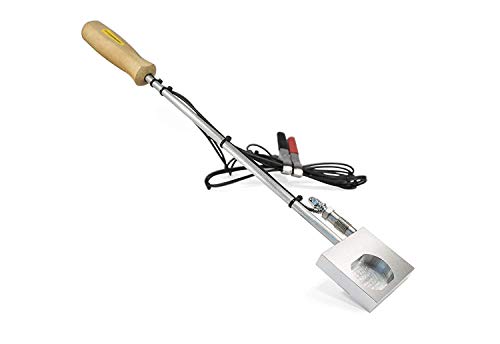
A wand vaporizer is a metal rod with a small cup on the end that you load with acid and slide through the hive entrance, powering it from a 12-volt battery. This style is the most affordable entry point, often under 40 dollars, which makes it the natural pick for a beekeeper with one to three hives who wants to try vaporizing without a big outlay. The trade-off is speed: the rod needs to heat up and then cool down fully between hives, so treating a whole apiary takes patience. It suits hobbyists and anyone starting out who wants proven results on a budget.
Durable Beekeeping Tool for Hive Maintenance Aluminum Heating Plate, 55-Inch Cord
Pan or Plate-Style Vaporizer
A pan-style vaporizer heats a shallow tray of acid from below and delivers vapor faster and more evenly than a thin rod, with less waiting between hives. These units cost more, often 150 dollars and up, but they shine for sideliners running 10 or more colonies who need to move down a row efficiently. Many pan models seal against the entrance so you spend less time plugging gaps. If your operation is growing and time in the beeyard is your limiting factor, this is the style to size up to, and it pairs naturally with the rest of your beekeeping equipment.
Battery vs Mains-Powered Vaporizer
The last choice is your power source. Battery and self-contained units run off an internal cell or a portable 12-volt pack, so you can treat hives out in a remote yard with no outlet in sight, which is a real advantage for anyone whose colonies sit on scattered plots. Mains-powered and heavy-duty units plug into wall current or a large deep-cycle battery and can run all day without recharging, which suits a home apiary or a commercial operator treating dozens of hives in one session. Match the power source to where your bees actually live rather than to the spec sheet.
Once you have picked a style, the deciding question is simple: how many hives do you run, and where do they sit? One or two backyard colonies are well served by an inexpensive wand, a growing sideline earns a faster pan, and remote or large operations should weigh battery freedom against all-day mains power. Whichever you choose, treat during a broodless window, wear your respirator every single time, and count your mites before and after so you know the treatment actually worked.
Frequently Asked Questions About Oxalic Acid Vaporizer: Guide + Best Picks
How often can you use an oxalic acid vaporizer?
You can treat a broodless colony once for a big knockdown, or repeat three to four times at five-day intervals when brood is present to catch mites as they emerge from capped cells. Most beekeepers vaporize once in late fall and again during a summer brood break if mite counts climb. Always run a mite count before and after so you treat based on real numbers rather than a calendar.
Is oxalic acid vapor dangerous to bees?
At the correct dose of about 1 gram per brood box, oxalic acid vapor is gentle on adult bees and does not harm the queen. Problems only show up when beekeepers badly overdose, which can irritate the colony and shorten worker lifespan. The vapor is far more dangerous to the person applying it, which is why a proper acid-rated respirator and eye protection are required.
Can you vaporize with honey supers on the hive?
No. You must remove all honey supers before vaporizing, because oxalic acid vapor settles on every surface inside the hive and can contaminate honey meant for eating. Treat only the brood boxes, and wait to add supers back until after the treatment window. This is one of the strictest rules on the product label.
How long does it take an oxalic acid vaporizer to work?
The vapor kills exposed mites within one to two days of treatment, and you can confirm the drop with a sugar-roll or alcohol-wash count about a week later. A single broodless treatment often removes 90 percent or more of the phoretic mites. Because the tool cannot reach mites sealed inside capped brood, timing the treatment to a broodless period is what makes it so effective.