A keet that gets the wrong feed in its first two weeks rarely catches up, no matter how well you manage the flock after that. What do guineas eat, and does it actually change by age? Yes, significantly. A day-old keet and a laying hen need different protein levels, different feed textures, and in one case, feed that must never contain a common poultry medication.
Key Takeaways
What Do Guineas Eat as Keets
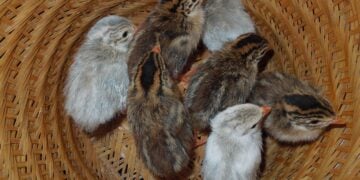
Guinea keets need a game bird or turkey starter running 24 to 26 percent protein for their first four weeks, according to University of Kentucky Cooperative Extension. Standard chick starter, built for chickens, runs too low in protein for a keet’s faster early growth and will not support them properly. Feed should be mash or crumbles, never pellets, since keets have a hard time managing pelleted feed in those first weeks.
Check the label before you buy. Guinea keets cannot tolerate the coccidiostats found in many medicated chick starters. What prevents coccidiosis safely in chickens can sicken or kill a guinea keet, so an unmedicated game bird starter is the safer default even if it costs more.
What Do Guineas Eat From Weeks Five to Eight
Drop the protein to 18 to 20 percent once keets hit five weeks old. This is also when you can start introducing small amounts of foraged food if the keets have supervised outdoor access, like chopped greens or a handful of mealworms. Keep the transition gradual. A sudden feed change stresses young birds more than the lower protein level does on its own.
Good nutrition through these early weeks does more to determine how long your birds live than almost anything else you control. For the full picture of guinea lifespan and what actually shortens it, see how long guineas live.
What Do Adult Guineas Eat
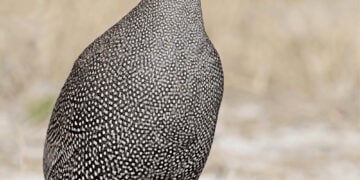
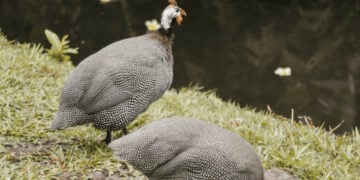
After eight weeks, switch to a 16 percent protein layer mash, the same base most keepers already use for laying chickens. Adult guineas forage aggressively for insects, seeds, ticks, and greens, and a flock with real range access will cover a meaningful share of its own diet through foraging alone. Keep a feeder available anyway. Foraging supplements a complete diet; it does not replace one, especially in winter or drought when insect and seed supply drops.
Grit and oyster shell need to be available at all times, not just during laying season. Grit lets a guinea’s gizzard grind up the seeds and insects it forages, and oyster shell supplies the calcium a laying hen’s body pulls from constantly. Set feeders and waterers up off the ground inside the coop to keep them from fouling; see our notes on coop setup for placement.
Feeding Guineas for Pest Control Without Overfeeding
Part of the appeal of keeping guineas is their appetite for ticks, grasshoppers, and garden pests. Overfeeding at the trough works against that. A flock that is full on feed has less incentive to forage, and foraging is exactly the behavior most homesteaders are trying to encourage. Offer a measured amount rather than free-feeding, and let hunger do some of the pest control work for you.
Frequently Asked Questions About What Guineas Eat
Can guinea fowl eat the same feed as chickens?
Adult guineas can eat standard 16 percent layer mash, the same feed many chicken keepers already use. Keets cannot, since they need a much higher protein starter than chick feed provides.
Why can’t guinea fowl eat medicated chick starter?
The coccidiostats in medicated starters, added to prevent coccidiosis in chickens, are toxic to guinea keets. Always check the bag and choose an unmedicated game bird or turkey starter instead.
Do guinea fowl need extra calcium?
Yes, especially laying hens. Keep oyster shell available separately from feed so hens can take what they need without over-supplementing the rest of the flock.
Can guineas eat kitchen scraps?
In moderation, yes. Vegetable scraps, cooked grains, and fruit are fine as occasional treats, but scraps should never replace a complete feed, particularly for growing keets.
What do guineas eat well enough to thrive on your place? Match the feed to the age, skip anything medicated, and let a mature flock do what it does best once it has the nutrition to back it up.