
A power outage in town is inconvenient. A power outage on a homestead can become a systems problem fast. Lights are only the obvious part. The bigger questions are water, heat, refrigeration, freezers, livestock, security, medical devices, communication, and whether the well pump works when the grid does not.
That does not mean you need to panic-buy every gadget on the internet. It means you need a clear plan for the first hour, the first day, and the second day. If you know what to do when the power goes out, you make fewer rushed decisions in the dark.
Ready.gov‘s power outage guidance is a good baseline for household safety. A homestead plan adds the animals, tools, outbuildings, stored food, and water systems that regular household lists often miss.
Key Takeaways
The First Ten Minutes
Confirm whether the outage is just your house or the area. Check breakers if it is safe. Look outside for downed lines, branches, smoke, or damage. Do not approach any downed power line.
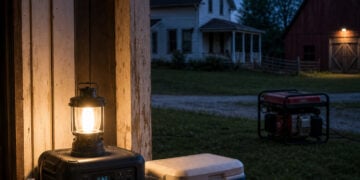
Get safe lighting. Use flashlights, headlamps, or battery lanterns. Avoid candles if you can, especially around children, pets, hay, curtains, bedding, or cluttered work areas. A few rechargeable lanterns kept in known locations are worth more than a drawer full of dead flashlights.
[LASSO BLOCK NEEDED: Rechargeable LED lanterns – https://www.amazon.com/s?k=rechargeable+led+lantern]
Check people first. Does anyone need powered medical equipment, refrigeration for medication, heat, cooling, or a charged phone? Then move to water, animals, freezers, and security.
Water Comes Early
If your water depends on an electric well pump, water is your first practical concern. Keep stored drinking water on hand before storms. Store water for people, cooking, basic washing, and animals. The amount depends on your household and livestock, but do not underestimate animals in hot weather.
If you have warning before a storm, fill stock tanks, buckets, bathtubs for flushing, and clean containers. If you lose power without warning, use stored water carefully until you know the outage length.
Stackable water storage containers are easier to manage than random jugs. Label potable water separately from utility water.
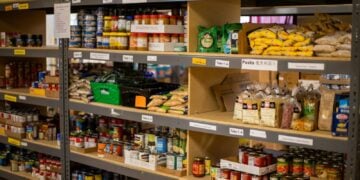
Food Safety and Freezers
Keep refrigerator and freezer doors closed. Every curious check lets cold air out. A refrigerator has a limited safe window. A full freezer stays cold longer than a half-empty one. If you have appliance thermometers, use them.
Group freezer items before storm season so meat and high-value food are together. A full freezer is more efficient; if yours has empty space, frozen water jugs can help hold cold and become backup water as they thaw.
If the outage stretches on, decide whether to run a generator for freezer cycles, move food to another freezer, cook food, can it safely if you have the equipment and heat source, or let it go. Do not gamble with questionable meat. Food poisoning is not thrift.
Generator Safety
Generators are useful and dangerous. Never run one inside a house, garage, basement, shed, or near open windows. Carbon monoxide can kill quickly. Keep generators outside and away from openings. Use heavy-duty outdoor-rated cords and follow the manual.
If you want a generator tied into house circuits, have a proper transfer switch installed. Backfeeding through an outlet can injure or kill utility workers and damage equipment.
A portable power station is quieter and safer for small loads like phones, routers, lights, some medical devices, and rechargeable tools. It will not replace a whole-house generator, but it can cover important small needs.
[LASSO BLOCK NEEDED: Portable power station – https://www.amazon.com/s?k=portable+power+station]
Livestock and Poultry
Animals do not care why the power is out. They still need water, ventilation, feed access, and protection from heat or cold.
In summer, think about shade, airflow, and water. In winter, think about unfrozen water, dry bedding, wind protection, and ventilation without drafts. Brooders, incubators, heated waterers, automatic doors, electric fencing, and barn cameras may all be affected.
Walk the property before dark if the outage starts late in the day. Latch gates, check water, secure feed, and make sure animals are where they belong.
Security and Communication
Power outages can knock out cameras, Wi-Fi, automatic gates, and some security lights. If you rely on powered systems, know what continues on battery and what fails. For more planning around cameras and property visibility, see Homestead Security: Choosing the Best Outdoor Security Cameras.
Keep phones charged when storms are likely. Battery banks should be charged before weather arrives. A weather radio is useful when cell service is weak. Write down important numbers because a dead phone should not mean dead information.
Seasonal Prep
Outage prep changes with the season. In fall, combine it with Fall Homestead Preparations: clean gutters, check roofs, service generators, test extension cords, store fuel safely, winterize water points, and make sure gates and paths are accessible.
In spring and summer, focus on storm damage, heat, freezer protection, animal water, and chainsaw readiness. In winter, focus on heat, frozen water, safe backup cooking, and icy access.
A Practical Outage Kit
Keep flashlights, headlamps, lanterns, batteries, charged power banks, a weather radio, first aid supplies, bottled water, shelf-stable food, manual can opener, matches or lighter, basic tools, extension cords, fuel stored safely, animal water buckets, and printed checklists.
The best tools are the ones you can find in the dark. Store them together. Tell the household where they are. Review the kit before storm season.
For broader tool planning, see 10 Must-Have Tools for Successful Homesteading.
After Power Returns
Do not rush. Check for electrical issues, water leaks, freezer temperatures, tripped GFCI outlets, animal water, and equipment that needs resetting. Inspect refrigerated and frozen food carefully. If you do not know whether food stayed safe, throw it out.
Refill water containers, recharge lanterns, replace used batteries, restock fuel, and write down what failed. Every outage teaches you something if you take notes.
Frequently Asked Questions About Homestead Power Outages
What should I do first when the power goes out?
Check people, safe lighting, hazards, water, animals, and refrigeration in that order.
How do I keep freezers cold?
Keep doors closed, group food, use freezer thermometers, and run generator cycles safely if you have that setup.
Can I run a generator in a garage with the door open?
No. Generators belong outside and away from windows, doors, and vents.
What is different about homestead outage prep?
Water pumps, livestock, freezers, fences, incubators, brooders, and outbuildings add more systems to protect.