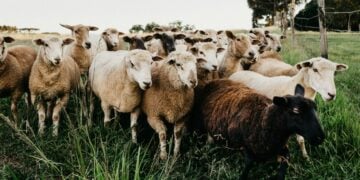

The best portable electric netting for sheep is a sheep-rated or sheep-and-goat-rated net tall enough for your flock, paired with a properly sized low-impedance energizer, adequate grounding, and a fence tester you use every time you set it up. For most homesteads, start with one or two quality 164-foot rolls from a reputable livestock fencing supplier, train the flock in a controlled area, then expand into a rotational grazing system once the sheep respect the fence.
Key Takeaways
Why Portable Electric Netting Is Useful
Portable electric netting lets you divide pasture without building permanent cross-fences everywhere. For a small homestead, that can mean better grazing control, cleaner regrowth periods, easier brushy-area trials, and less overuse around the barn.
Sheep are grazing animals. If they are left in one large field too long, they will keep returning to favorite plants, graze tender regrowth too short, and leave less desirable areas untouched. Temporary netting gives you a way to move the flock through planned sections instead of letting them camp on the same grass until it is stressed.
If you are still building your sheep setup from scratch, read Raising Sheep: A Beginner’s Guide to Starting a Homestead Flock before relying on electric netting alone. A good rotational system still needs perimeter fencing, water access, shelter planning, and a way to catch and handle animals.
Electric Netting Is Not Magic
Portable electric netting can be excellent, but it is not magic. It can sag in tall grass, lose voltage through wet weeds, tangle during moves, and fail if the energizer or ground rods are undersized. Some sheep respect it immediately. Others test it, especially if the charge is weak or wool prevents a strong shock.
The net also has limits with predators. It can discourage many ground predators when it is hot and set correctly, but it is not a fortress. If you have serious predator pressure, you may need guardian animals, night penning, stronger perimeter fencing, or multiple layers of protection.
Use netting as one piece of the system, not the whole system.
What to Look for in Sheep Netting
Height
Sheep netting is commonly sold in heights around 35 to 48 inches. Taller netting can help with jumpy sheep or predator deterrence, but it is heavier and can be harder to move. Shorter netting is easier to handle but may not be enough for every flock.
For lambs, pay attention to the size of the lower openings. Lambs can get curious and tangled if the mesh is poorly matched to their size. Do not assume netting that works for adult ewes is automatically safe for newborn lambs.
Post Quality
Built-in posts make portable netting fast, but flimsy posts are frustrating in hard ground, wind, and uneven pasture. Look for posts that step in cleanly, stand upright, and can handle repeated moves. Extra support posts at corners can reduce sag.
Conductors
Electric netting uses conductive strands woven through the fence. More conductors and better materials can improve charge, but the energizer, grounding, and vegetation load still determine whether the fence is hot enough.
Visibility
Sheep need to see the fence, especially while learning. High-contrast strands help. In brush, shade, or snow, visibility changes. Do not set a new flock loose into low-visibility netting and expect perfect behavior.
Repairability

Netting gets stepped on, chewed, dragged, and occasionally mangled by mowers, deer, or equipment. Buy from a supplier that sells repair kits, replacement posts, clips, and connectors.
Energizers and Grounding
The most common mistake with portable electric netting is underpowering it. Netting has more contact points and vegetation exposure than a simple single-wire fence. That means it needs a strong low-impedance energizer matched to the amount of netting, vegetation load, and predator pressure.
Solar energizers can be useful when pasture is far from power, but they still need enough output and sun exposure. Plug-in energizers are often stronger and more consistent near a barn. Battery systems can work well if you have a charging routine.
Grounding is not optional. Poor grounding can make a strong charger behave like a weak one. Dry, rocky, or frozen soils can reduce performance. Follow the energizer manufacturer’s instructions for ground rods and spacing, then test voltage with a fence tester instead of guessing.
Rotational Grazing Basics
A simple rotation starts with one flock, one water plan, and one section at a time. Move sheep before they graze too close to the soil. Let plants rest long enough to regrow. In wet conditions, move faster to reduce trampling and parasite pressure. In drought, slow down or reduce stocking pressure before pasture is damaged.
Penn State Extension explains that rotational grazing divides pasture into smaller units and recommends avoiding overgrazing by limiting time in each section, often around four to five days, before moving animals. It also notes that electric netting can be used to subdivide paddocks. Read the outside source here: Penn State Extension pasture and grazing systems for sheep and goats.
Portable netting pairs well with a feeding plan. Fresh grass is valuable, but sheep still need clean water, salt or sheep-appropriate minerals, and hay when pasture is not enough. For the broader feeding picture, see What Do Sheep Eat? A Practical Feeding Guide for Homestead Flocks.
Training Sheep to Electric Netting
Do not start training in a big open field. Set up a small, well-charged pen inside a secure area. Let the sheep encounter the fence while they are not starving, panicked, or being chased. They need to learn that the netting is a boundary.
Keep the first sessions calm. Do not crowd sheep into the net. Do not run dogs along the outside. If a sheep gets tangled, turn off the energizer before freeing it, then rethink the setup. Tangling is often a sign of poor training, weak charge, panic, or inappropriate mesh for the animal size.
Once the flock respects the net, moving becomes easier. Sheep will often follow a feed bucket, water routine, or flock pressure into the next section.
Setup Steps
- Mow or trample a path if grass is tall.
- Lay the net out before pushing posts into the ground.
- Set corners first, then line posts.
- Keep the bottom strand close enough to deter escapes without burying it in grass.
- Add extra posts or guy lines where the net sags.
- Connect the energizer and ground system according to instructions.
- Test voltage at the energizer, near the middle, and at the far end.
- Walk the fence daily and after storms.
Do not skip voltage testing. A fence can look fine and still be too weak to matter.
Common Problems
The Net Sags
Sagging usually comes from uneven ground, weak posts, loose corners, or too much distance between supports. Add support posts, tighten corners, and avoid awkward angles when possible.
The Charge Is Weak
Check vegetation load, ground rods, loose clips, weak batteries, poor solar exposure, damaged conductors, and undersized energizers. Use a tester rather than guessing by touch.
Lambs Get Tangled
Use appropriate mesh, train in a controlled space, and avoid turning tiny lambs into netting that does not match their size. If lambing in pasture, plan the lambing area separately.
Sheep Jump or Push Through
Train better, increase voltage, reduce pressure from hunger or crowding, and check whether the net is tall enough. Escapes often happen when animals believe the reward on the other side is stronger than the consequence.
Predators Still Challenge the Fence
Hot netting helps, but serious predators may require stronger perimeter fencing, guardian animals, night confinement, or more layers. Do not let one good product create false confidence.
Frequently Asked Questions About Portable Electric Netting for Sheep
Does portable electric netting work for sheep?
Yes, it can work well when sheep are trained, the net is hot, vegetation is managed, and the energizer and grounding system are properly sized. It is best used with good perimeter fencing and daily checks.
How tall should electric netting be for sheep?
Many sheep nets are around 35 to 48 inches tall. Taller netting can help with jumpy sheep and predator pressure, but it is heavier. Choose height based on flock behavior, lambs, terrain, and your ability to move it.
Can lambs use electric netting?
Use caution. Lambs can tangle if mesh openings are not appropriate or if they panic. Train carefully and avoid using risky netting around very young lambs without close supervision and a backup plan.
What energizer do I need for sheep netting?
Use a low-impedance energizer sized for the number of net rolls, vegetation load, predator pressure, and fence length. Follow manufacturer guidance and verify with a fence tester.
Is electric netting predator proof?
No fence is perfectly predator proof. Hot electric netting can deter many ground predators, but high-pressure areas may need guardian animals, stronger perimeter fencing, night housing, or layered protection.
How often should sheep be moved in rotational grazing?
It depends on stocking rate, forage growth, weather, parasite pressure, and pasture goals. Many systems move sheep every few days, but the right timing comes from watching forage height and recovery.