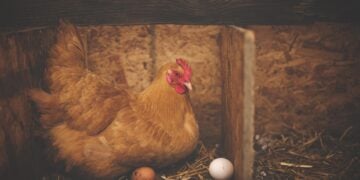

When the first frost creeps across the pasture and the mornings start smelling like wood smoke, I know it’s time to start winterizing the chicken coop. The goal isn’t to make it fancy or complicated. It’s simply to keep the flock warm, dry, and healthy through the months when sunlight is short and cold air settles in deep.
If you’ve never gone through a full winter with chickens before, the process might feel overwhelming. But once you understand what your birds actually need—and what they don’t—you can set them up for comfort without spending a fortune. Here’s how I approach winterizing the chicken coop on our homestead each year.
Winter is one season in a longer rhythm. Our beginner’s guide to backyard chickens walks through the full year, from choosing breeds to daily care.
What You’ll Learn
What Chickens Really Need in Winter
Chickens handle cold weather better than most people think. Their feathers trap warmth, and their bodies generate heat as they roost close together at night. What gets them into trouble is moisture and drafts. Damp bedding, condensation, and unsealed cracks pull warmth away faster than freezing air alone.
So before you bring in extra heaters or heavy tarps, focus on these two priorities:
- Keep the air dry and moving gently.
- Keep the bedding clean and insulated.
If you handle those two, your birds will stay comfortable through even the worst of January.

Step 1: Check the Coop for Leaks and Drafts
Before winter hits, I walk the coop slowly with a flashlight and look for any light coming through cracks or nail holes. Those little gaps may not matter in summer, but in winter they can funnel cold air straight across the roosts.
I seal small cracks with exterior-grade caulk and cover wider gaps with wood strips or hardware cloth. The key difference is direction: you want ventilation without drafts.
- Air should move out near the top of the coop, not across the birds.
- If you close it up too tight, condensation builds inside. That moisture can freeze combs and create respiratory problems.
A simple rule I follow: if the coop smells like ammonia, it needs more ventilation.
Step 2: Deep Clean Before the Cold Arrives
Before I add new bedding for winter, I give the coop a thorough clean. I remove old litter, scrape the roosts and droppings boards, wash visibly soiled surfaces with soap and water, and let everything dry completely before adding fresh bedding. I skip airborne powders in an occupied coop because dust can irritate both chickens and people.
Starting the season with a clean, dry coop makes it much easier to maintain through the coming months. Wet manure in freezing weather turns into frozen clumps that are miserable to remove later.

Step 3: Choose Bedding That Holds Heat
There’s debate about what bedding works best in winter, but the useful test is simple: it must stay dry, remain loose enough to manage, and be easy to replace. Hemp and pine shavings are both absorbent choices for many small coops. Straw can work in dry conditions, but it mats and holds moisture when leaks, spills, or droppings are not managed promptly.
Some homesteaders use the deep litter method once temperatures drop. That means adding fresh bedding over old layers instead of cleaning it out weekly. As the litter breaks down, it generates mild heat and creates a soft floor for the birds. I use this approach in my main coop but only after ensuring ventilation is strong enough to handle the moisture it creates.
If you try deep litter for the first time, start in early fall so it can build slowly before freezing weather locks it in.
Step 4: Keep Water From Freezing
Few things cause more frustration in winter than frozen waterers. Chickens won’t eat well if they can’t drink, and hauling fresh water out several times a day gets old fast.
Your flock doesn’t need water inside the coop. In fact, keeping it outside helps prevent spills and humidity that lead to frostbite. Water adds moisture to the air, and once that moisture freezes, it can harm combs and wattles.
Here’s what works better:
- Keep waterers just outside the coop door in a sheltered area protected from wind and snow.
- Use a heated base or heated waterer rated for your location if you have access to electricity. Follow the manufacturer’s placement and cord-safety instructions, and keep the waterer where spills will not soak the bedding.
- If you don’t have power, rotate two waterers and bring the frozen one inside to thaw. An insulated, sun-facing shelter can slow freezing, but it does not replace regular checks.
- Raise containers off the ground with bricks or a stand to reduce spills and prevent the base from freezing to the surface.
I don’t have electric at my coop, so I keep two sets of waterers and rotate them throughout the day. It saves time and keeps fresh water available even during long cold snaps.
15.35" Poultry Waterer Heated Base, 125W Drinker Heater Base with Thermostat to Prevent Water Freezing in Metal or Plastic Drinkers

Step 5: Protect Feed From Moisture and Rodents
Feed can spoil quickly when it draws moisture from damp air. Store pellets or crumbles in metal bins with tight lids. We use large metal drums. Plastic bins work too, but metal keeps rodents from chewing through. I also use hanging feeders to reduce waste and keep food clean.
Chickens may eat more during severe cold, so I keep a complete layer ration available and watch that every bird can reach it. Scratch grains are an occasional treat, not a replacement for balanced feed.
Step 6: Create Safe Ventilation for Winter Air
Ventilation and shelter need to work together. I keep high vents open above the roosting birds so moisture and ammonia can escape without pushing a cold draft across them. Oklahoma State University Extension recommends winter ventilation specifically to remove moisture and help maintain dry litter, even while the house remains draft-free at bird level.
Never block every vent just to trap heat. Moisture is far more dangerous than cold air.
Step 7: Secure the Coop From Wind and Rain
Strong winter winds can pull heat out of a coop faster than anything. I stack straw bales or place plywood panels along the windward side to act as a barrier. For metal or open-air coops, I add clear plastic sheeting along the lower half to stop driving rain or snow while still letting in light.
Avoid wrapping the entire coop in plastic, which traps humidity. Focus only on blocking direct wind and keeping the roost area dry.
Step 8: Prep the Run and Outdoor Area
Chickens benefit from fresh air and sunlight year-round, even on cold days. I scatter straw or wood chips near the coop (or in your run) so they have a dry place to scratch. If snow piles up, I shovel a small clearing and spread a little scratch grain to encourage them outside.
Adding a windbreak around part of the run—like pallets or tarps tied to the fence—creates a sheltered zone where they can dust-bathe or rest in the sun without chilling wind.
Step 9: Plan for Lighting and Egg Production
As daylight decreases, egg production naturally slows. Some folks add supplemental light to maintain output, but I prefer to let my hens rest. A short break helps their bodies recover from the long laying season. If you do decide to add light, limit it to early morning hours and keep it gentle—around 40 watts—to mimic dawn.
Whether you light the coop or not, check electrical cords and outlets before winter to avoid hazards around dust and bedding.

Step 10: Check on Flock Health and Comb Care
Cold weather can cause frostbite on combs and wattles, especially for breeds with large combs. I rub a thin layer of plain petroleum jelly on their combs when temperatures dip into the teens. It doesn’t add heat but provides a barrier against moisture.
Keep an eye on weight and behavior. Chickens that huddle constantly or refuse to leave the roost may need more insulation or a windbreak adjustment. A healthy flock stays active, eats well, and preens daily even in the cold.
Step 11: Keep Up With Winter Chores
Winter chores don’t take long once you have a system. I check food and water twice a day, gather eggs quickly so they don’t freeze, and stir or replace bedding as needed. If you’re using the deep litter method, turn it weekly to release steam and prevent compacting.
Having a small bucket for manure and a dry spot to dump it saves time. I often add that manure to the compost pile, where it breaks down beautifully for spring use.
Step 12: Safety and Fire Prevention
Any time you use electricity in the coop, safety matters. Choose extension cords rated for outdoor use and inspect them regularly. Keep all plugs off the ground and away from bedding. Chickens peck at anything new, so I run cords through conduit or secure them behind boards.
I avoid using heat lamps unless absolutely necessary. If your birds are fully feathered and your coop is dry, they can handle cold far better than you think.
Step 13: Add Enrichment and Comfort
Winter can get boring for chickens. I hang cabbage heads from twine for them to peck at, toss in a few logs or stumps to perch on, and occasionally scatter mealworms in the bedding to encourage scratching. Small touches like these keep the flock active and reduce stress during long indoor stretches.
Step 14: Keep Yourself Comfortable Too
Winter chores are easier when you prepare for them. I wear waterproof ski pants, waterproof gloves, waterproof boots, and bundle up for chores. You need to stay dry too! A cheap headlamp also helps with evening rounds when it gets dark early.
Don’t want to go outside to close up your flock as the sun goes down? Try using a solar chicken door that shuts automatically! We love the ChickCozy Door. Check out our full review here.
Homesteading in winter can test patience, but it’s also a quiet season where routines settle in and small habits pay off. Taking care of the flock becomes part of that rhythm.
How to Keep Chickens Warm in Winter
Most healthy chickens handle cold far better than people expect, thanks to their down and their habit of fluffing up and huddling together on the roost. The goal in winter is not to heat the coop, it is to keep birds dry, out of the wind, and well fed so they can make their own heat. Prolonged deep cold does take a toll though, since it stresses the immune system and pulls energy away from laying, so a few warmth focused habits go a long way.
Chickens may eat more while maintaining body temperature in cold weather. Keep a complete layer feed available, make sure timid birds are not pushed away from the feeder, and treat scratch grains as a small extra rather than the main ration. Adjusting the routine for the season is covered in our guide to feeding your flock for winter.
For genuine cold snaps, lean on deep, dry bedding, block drafts at roost height, and provide broad wooden roosts that let hens settle over their toes. Avoid routine supplemental heat in a properly built coop. If a medically vulnerable bird or an unusual weather emergency requires heat, use equipment designed for livestock spaces, secure it exactly as directed, and keep it well away from dust and bedding.
Common Mistakes When Winterizing the Chicken Coop
A few things I’ve learned the hard way:
- Overinsulating the coop: Sealing it too tight traps humidity and leads to frostbite.
- Using straw under roosts: It mats quickly and stays wet.
- Leaving waterers inside overnight: Even heated ones can add unnecessary moisture.
- Skipping ventilation checks: Ice buildup on windows is a sign the air isn’t moving.
When something goes wrong, it’s almost always related to moisture. Dry air and clean bedding solve most problems before they start.
Winterizing the Chicken Coop
By the time real winter hits, I like knowing the coop is ready. The birds settle in, the litter stays dry, and the sound of soft clucking fills the mornings when everything else is still. Winter brings its challenges, but it also slows life down enough to notice the small things—a warm egg in a cold hand, a hen fluffing her feathers against the chill, a bit of sun through the vent opening.
Winterizing the chicken coop isn’t just a chore to check off. It’s a rhythm that reminds me of why I started this life in the first place: to care for living things with intention and respect for the seasons. A feeder that holds weeks of feed helps in hard weather — we tested the OverEZ chicken feeder. Frozen waterers are the worst of it. We tested the Farm Innovators HP-125 heated base. If you would rather not walk out at dusk in January, we reviewed the ChickCozy automatic coop door. Building from scratch this year? Our guide on how to build a DIY chicken coop covers plans, real costs, and predator proofing.
Frequently Asked Questions About Winterizing a Chicken Coop
How do I keep chickens warm without electricity?
Keep the coop dry, block drafts at roost height, maintain high ventilation, provide broad wooden roosts, and keep balanced feed and unfrozen water available. Healthy, fully feathered chickens usually rely on their own insulation rather than added heat.
Should I close chicken-coop vents during winter?
No. Leave ventilation open above the birds so moisture and ammonia can escape. The goal is fresh air without a cold draft blowing directly across the roost.
What bedding works best for a chicken coop in winter?
Use an absorbent bedding that you can keep dry and loose, such as pine shavings or hemp. Depth helps insulate the floor, but no bedding works well when roof leaks, water spills, or poor ventilation keep it damp.
Do chickens need a heat lamp in winter?
Most healthy adult chickens do not need a heat lamp in a dry, draft-protected coop. Heat lamps introduce a serious fire risk around dust and bedding. Use supplemental heat only for a specific need and with equipment designed and secured for livestock spaces.