
What You’ll Learn
Direct Answer
To tell the sex of a Coturnix quail, first check whether the bird is a feather-sexable color. In wild-type and similar colors, males usually develop rusty or solid-colored breast feathers, while females have speckled breast feathers. If the color is not feather-sexable, wait until the bird is sexually mature and use a combination of signs: crowing, egg laying, breeding behavior, and a gentle vent check for the male foam gland.
Do not rely on one sign too early. Young birds can fool you, some color varieties look alike, and behavior alone is not perfect. If the bird lays an egg, she is female. If a mature bird produces cloacal foam, he is male.
Why Sexing Coturnix Matters
Coturnix quail grow fast, mature early, and can create flock problems quickly if the sex ratio is wrong. Too many males can lead to chasing, scalped heads, bare backs, stress, and poor laying. Too few males can reduce fertility if you are hatching eggs.
For egg flocks, you may not need males at all. Hens lay eggs without a male, but the eggs will not be fertile. For hatching eggs, you need a workable ratio and healthy birds. For meat batches, many keepers process extra males to reduce fighting and improve calm in the pen.
If you are new to keeping quail, start with How to Start Raising Quail so sexing fits into the bigger setup, not just the bird in your hand.
When Can You Sex Coturnix Quail?
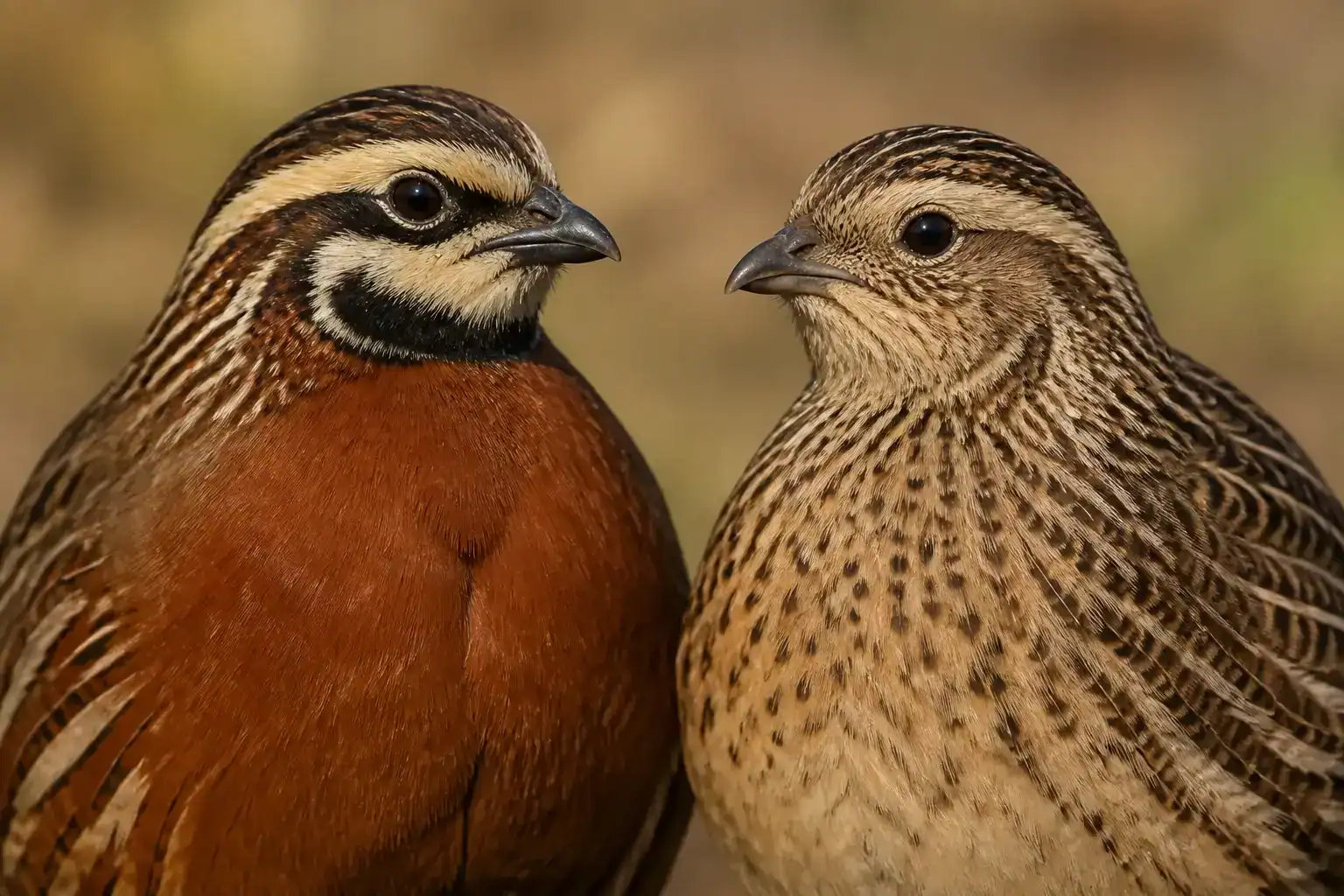
Timing depends on color and method. Feather-sexable colors can often be sorted once breast feathers are developed enough to read clearly. Vent sexing is more useful after sexual maturity when the male foam gland is active. Egg laying and crowing happen later than early chick guesses.
A practical timeline:
| Age | What You Can Usually Use |
| Hatch to 2 weeks | Usually too early for most keepers |
| 3 to 4 weeks | Feather clues may appear in sexable colors |
| 5 to 6 weeks | Feather sexing is clearer; some males begin calling |
| 6 to 8 weeks | Vent checks, crowing, mating behavior, and eggs become more useful |
| Mature adults | Egg laying or male foam confirms sex more reliably |
Do not rush permanent decisions at two weeks unless you have a sex-linked line or very specific experience with that color.
Feather Sexing Coturnix Quail
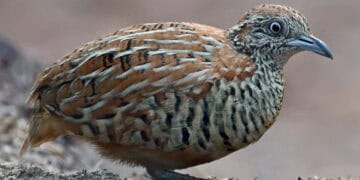
Feather sexing is the easiest method when it works. It works only on certain color varieties, especially wild-type, Pharaoh, Italian, and some related patterns where male and female breast feathers differ.
In many feather-sexable birds:
- Males have rusty, cinnamon, or more solid breast color.
- Females have speckled or spotted breast feathers.
- Females may look more patterned across the chest.
- Males may have warmer coloring on the throat and face.
The Cooperative Extension article on raising Japanese quail in small and backyard flocks notes that adult females have light tan throat and upper breast feathers with black stippling, while males have rusty brown throat and breast feathering. It also describes the sexually mature male cloacal gland and its white foamy secretion. Read it here: Raising Japanese Quail in Small and Backyard Flocks.
Color Varieties That Are Harder to Sex
Not all Coturnix are feather-sexable. Tuxedo, English white, rosetta, Tibetan, celadon lines, and many mixed or unusual colors may not show reliable breast differences. In those birds, feather color can mislead you.
For non-feather-sexable birds, use:
- Egg laying
- Crowing
- Vent sexing after maturity
- Breeding behavior
- Long-term observation
- Separate holding pens while you confirm
Do not sell or sort non-sexable colors too early unless you are clear that the sex is uncertain.
For breed and type decisions, Coturnix vs Bobwhite Quail helps explain why Coturnix are the usual backyard production choice.
Vent Sexing and the Foam Gland
Mature male Coturnix have a cloacal foam gland. When active, gentle pressure near the vent area may show white foam. This is one of the more reliable ways to confirm a mature male, especially in colors that cannot be feather sexed.
Use care:
- Wait until birds are old enough.
- Wash hands or wear gloves.
- Hold the bird securely but gently.
- Do not squeeze hard.
- Do not keep pressing if nothing appears.
- Stop if the bird is stressed or you are unsure.
- Do not vent check injured or sick birds unless directed by a vet.
A lack of foam in a young bird does not always mean female. The bird may be immature, stressed, out of breeding condition, or not producing visible foam at that moment.
Crowing and Calls
Male Coturnix often crow. The call is distinctive once you know it. Crowing can help identify males in a group, especially if you catch the bird in the act. The problem is that birds do not always perform on command, and noise can bounce around a shed or garage.
If you hear crowing, watch the group quietly. The calling bird often stretches upward, throws the head, and gives himself away. Mark him with a temporary leg band if you need to confirm later.
Females can make plenty of noise too, so do not call every loud bird male.
Egg Laying
Egg laying is the simplest confirmation. If the bird lays an egg, she is female. The challenge is knowing which bird laid which egg in a group cage.
Ways to confirm layers:
- Use small temporary groups.
- Watch hens during peak laying time.
- Use trap nesting only if you have a safe setup.
- Separate suspected hens briefly with feed and water.
- Mark confirmed birds with leg bands.
Do not isolate a bird without shade, water, and proper space just to solve curiosity.
Behavior Clues
Behavior can help, but it is not perfect. Males may crow, chase, mount hens, guard space, or fight other males. Females may be calmer, lay eggs, or show wear on back feathers if overbred.
Behavior is most useful when combined with feather or vent signs. A dominant hen can act pushy. A low-ranking male may hide. A young male may not crow yet. A stressed group can behave strangely.
Use behavior as evidence, not proof.
Managing Sex Ratios
For breeding groups, many Coturnix keepers use one male with several hens. Exact ratios vary by line, pen size, fertility goals, and behavior. Too many males cause injuries. Too few males may reduce fertility in hatching eggs.
Watch the hens. Bare backs, torn neck feathers, head injuries, and constant chasing mean the ratio or the individual male may be a problem. Remove extra males quickly. Do not wait until the best hens are injured.
For a broader production setup, Coturnix Quail ties sexing into feeding, housing, eggs, and hatching.
Mistakes to Avoid
Avoid these common mistakes:
- Sexing chicks too early and treating guesses as facts
- Feather sexing non-feather-sexable colors
- Keeping too many males in one pen
- Ignoring hen injuries from overbreeding
- Vent checking too roughly
- Assuming every loud bird is male
- Forgetting that hens lay without males
- Selling birds as sexed when you are not sure
- Waiting too long to separate extra males
- Keeping aggressive males because they are pretty
Good quail management is practical. Keep the birds that fit your flock goals and remove the ones causing stress.
Product Recommendations
Affiliate disclosure: Waddle and Cluck may earn a commission from qualifying purchases when affiliate links are used, at no extra cost to the reader.
A set of small poultry leg bands for marking quail makes it easy to track confirmed males and females.
[LASSO BLOCK NEEDED: Small animal handling gloves for gentle quail checks – https://www.amazon.com/s?k=small+animal+handling+gloves&tag=writingdete04-20]
Keeping a quail record notebook for breeding groups helps track which birds have been confirmed and which ratios are working.
[LASSO BLOCK NEEDED: Small sorting cage or holding pen for confirming males and females safely – https://www.amazon.com/s?k=small+bird+holding+cage&tag=writingdete04-20]
[LASSO BLOCK NEEDED: Wayfair rolling utility cart for keeping bands, records, egg cartons, and quail tools organized – https://www.wayfair.com/keyword.php?keyword=rolling+utility+cart]
Frequently Asked Questions About Sexing Coturnix Quail
How do you tell the sex of a Coturnix quail?
Use feather color in sexable varieties, or confirm with egg laying, crowing, breeding behavior, and gentle vent checking for male foam after maturity.
At what age can Coturnix quail be sexed?
Feather-sexable colors may show clues around 3 to 4 weeks, but many birds are easier to confirm closer to 6 to 8 weeks.
Can all Coturnix quail be feather sexed?
No. Some colors do not show reliable male and female breast differences, so you need vent checks, eggs, crowing, or behavior.
Do female Coturnix quail crow?
Females can make sounds, but the classic crowing call is usually male. Still, sound alone is not the best proof.
How many male quail should I keep?
Keep only enough males for your breeding goals. Too many males can cause fighting, overbreeding, feather loss, and injuries.