
Preventing cannibalism in overcrowded quail pens starts with one uncomfortable truth: once quail learn to peck blood, raw skin, toes, vents, or weak flockmates, the habit can spread fast. The best fix is prevention. Give the birds enough usable space, reduce stress, keep lighting calm, provide enough feeder and waterer access, separate injured birds quickly, and do not let small problems sit until the whole pen joins in.
Quail are small, but they are not decorations for a wire box. They need room to eat, drink, rest, escape pressure, and avoid constant contact with dominant birds. Crowding is one of the biggest risk factors, but it usually works with other stressors: bright light, heat, poor feed, too few feeders, boredom, injuries, and bad sex ratios.
If you walk out and see blood in a quail pen, act the same day.
Key Takeaways
What Cannibalism Looks Like in Quail
Cannibalism is more than ordinary pecking. Quail peck each other during mild social squabbles, breeding behavior, and feed competition. That is different from repeated, targeted pecking that damages skin or tissue.
Watch for:
- Bloody toes or missing toenails
- Pecked heads or scalps
- Raw backs on hens from rough breeding
- Vent pecking after laying
- Feather loss with red or irritated skin
- Birds chasing one weaker bird repeatedly
- Dead birds with damaged skin or tissue
- One bird hiding in a corner, feeder, dust area, or under another object
Blood changes the urgency. Poultry are attracted to red, exposed tissue. Once a wound is visible, even birds that did not start the problem may peck at it. That is why the first response is separation, not just watching to see if it improves.
Why Crowded Quail Pens Turn Risky
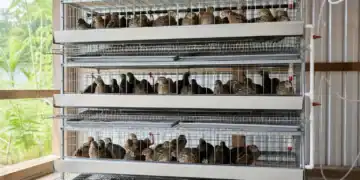
Crowding does not only mean “too many birds per square foot.” It also means not enough functional space. A cage can meet a rough square-foot target and still feel crowded if every bird has to fight for the same feeder opening, water cup, dust bath, corner, or resting area.
Crowding increases:
- Competition for feed and water
- Heat and moisture buildup
- Feather wear and skin irritation
- Mating pressure on hens
- Stress during startles or handling
- Contact with manure and wet spots
- The chance that a weak bird cannot get away
If you are new to quail housing, Coturnix Quail gives helpful context for how quickly these birds mature and why small management problems show up fast.
Main Causes of Cannibalism in Overcrowded Quail Pens
Too Many Birds in the Same Pen
Overstocking is the obvious cause, and it is common because quail are tiny. It is tempting to add “just a few more” birds to a cage. Then the birds grow, sex ratios shift, hens start laying, males compete, and the peaceful pen becomes tense.
A crowded pen also makes it hard to spot the first victim. By the time you notice blood, several birds may already be involved. More room will not undo every problem, but it lowers the pressure that keeps the problem going.
Bright or Constant Lighting
Bright light can increase activity, stress, and pecking. Constant light can keep birds from resting properly. Many small keepers use garage lights, shop lights, brooder lamps, or window exposure without realizing how intense the pen feels at bird level.
Quail do not need a spotlight. Layers need a consistent day length, but that does not mean harsh light 24 hours a day. If pecking starts, reduce light intensity and avoid sudden lighting changes.
Poultry Extension’s feather pecking and cannibalism guidance explains that cannibalism can affect quail and that prevention depends heavily on management conditions such as space, feeder access, nutrition, and stress reduction.
Not Enough Feeder or Waterer Access
A single feeder can be enough on paper and still fail in real life. If dominant birds block it, timid birds get hungry. Underweight or weak birds become targets. Feed competition also creates head and neck pecking around the trough.
Add a second feeder before you think you need it. Spread feed and water access so one bossy bird cannot control the whole pen. If you are already fighting feed waste, No-Waste Quail Feeders: Best Feeders & Waterers to Reduce Feed Cost covers feeder and waterer options that reduce competition without wasting more feed.
Poor Nutrition or Diluted Feed
Quail need a complete ration suited to their age and purpose. Too many treats, scratch grains, greens, kitchen scraps, or low-protein substitutes can dilute nutrition. Protein, amino acids, minerals, and vitamins matter for feather quality, growth, laying, and overall health.
If birds are eating feathers, losing condition, or pecking constantly, review the feed bag. Make sure it is appropriate for quail or game birds. Also check whether feed is old, moldy, dusty, wet, or being wasted before birds can eat enough.
Injuries Left in the Pen
Small wounds become flock problems. A bird scraped by wire, injured during handling, damaged by rough mating, or caught in a feeder can become a target. Quail do not politely ignore exposed skin.
Inspect wire edges, door openings, feeders, cage floors, and waterer hardware. If you find a sharp spot, fix it before another bird gets injured. If you find a bloody bird, move it to a recovery pen immediately.
Too Many Males
Male pressure can make hens miserable. Overmating can cause bald backs, head wounds, exhaustion, and stress. Multiple males in a small space may also fight each other, especially once they mature.
Do not assume a group is peaceful because it was peaceful as juveniles. Sex the birds as they mature, and adjust the pen before damage starts. If you are managing more than one poultry species on the homestead, Can You Raise Quail With Chickens? is a useful reminder that quail usually need their own correctly sized setup rather than being treated like tiny chickens.
What to Do When You See Blood
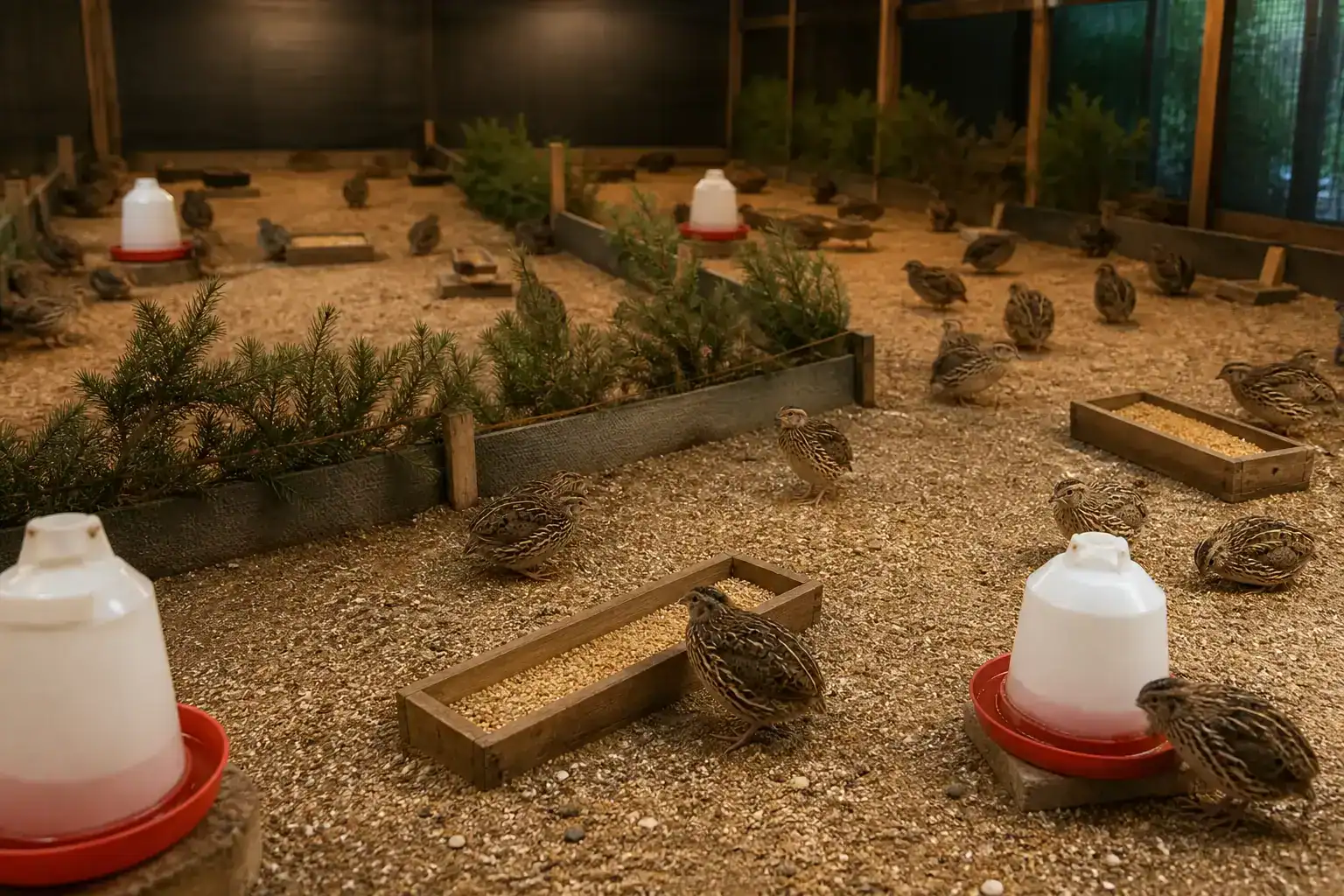
Use a fast, calm sequence:
- Remove the injured bird.
- Check whether it is eating, drinking, standing, and alert.
- Clean and treat wounds according to veterinary guidance or your poultry first-aid plan.
- Reduce light intensity in the main pen.
- Add feeder and waterer access.
- Check for overcrowding, heat, wet bedding, and sharp cage spots.
- Watch for the main aggressor.
- Remove any repeat aggressor from the breeding group.
Do not put a red, freshly injured bird back into a problem pen. Give it time to heal where flockmates cannot reach the wound. If the wound is deep, infected, near the eye, involves the vent, or the bird is weak, get veterinary help or make a humane decision.
How to Prevent Cannibalism Before It Starts
Build Pens for Escape Space
Quail do not need tall roosting structures like chickens, but they do benefit from visual breaks. Low hides, brushy cover, cardboard shelters, or simple dividers can let a picked-on bird get out of direct sight. The goal is not to clutter the pen so badly that birds get trapped. The goal is to break up constant eye contact and chase routes.
Keep Lighting Calm
Use steady, moderate light. Avoid bright bare bulbs right over the pen unless they are needed for brooding and properly placed. Give birds a normal dark period unless you have a specific lighting program.
For brooders, heat and light can overlap if you use heat lamps, but watch behavior. Birds pressed to the edge, panting, piling, or constantly agitated are telling you the setup needs adjustment.
Give Enough Feed and Water Access
Feeders and waterers are social pressure points. Provide enough access that timid birds can eat and drink without pushing into a fight. Long troughs, multiple cups, and spread-out stations often work better than one central point.
If you are building your first setup, How to Start Raising Quail can help you plan housing and equipment before the birds arrive.
Separate by Age, Size, and Temperament
Do not mix tiny juveniles with adults unless you are prepared for losses. Do not keep one weak bird in a pen of stronger birds and hope it catches up. Do not keep a violent bird in a breeding pen because its color is pretty.
Quail management is small-scale sorting. Move birds when the group changes. A pen that worked at four weeks may not work at eight weeks.
Avoid Overheating
Heat stress makes birds irritable and weak. Crowded quail pens heat up quickly, especially in sheds, garages, and stacked systems. Improve ventilation without creating drafts on chicks. Add shade, reduce stocking density, and make sure water stays cool and available.
In summer, check birds during the hottest part of the day, not only in the morning. A pen that looks comfortable at breakfast can be stressful by mid-afternoon.
Product Recommendations
Affiliate disclosure: This article may include affiliate product recommendations. If you use affiliate links, Waddle and Cluck may earn a commission at no extra cost to you.
[LASSO BLOCK NEEDED: Extra external quail feeder troughs to reduce competition at the feed line – https://www.amazon.com/s?k=external+quail+cage+feeder&tag=writingdete04-20]
[LASSO BLOCK NEEDED: Quail water cups or poultry nipple waterer kit for adding more water access points – https://www.amazon.com/s?k=quail+water+cups&tag=writingdete04-20]
Keep a small animal recovery cage and a red poultry bulb for lower-stress brooder lighting on hand so you can react quickly to injuries.
[LASSO BLOCK NEEDED: Plastic storage bin or lidded box for keeping first-aid supplies, gloves, and cage repair tools clean – https://www.wayfair.com/keyword.php?keyword=plastic+storage+bin]
Frequently Asked Questions About Preventing Cannibalism in Quail Pens
Why are my quail pecking each other bloody?
Common triggers include crowding, bright light, heat, too few feeders, poor nutrition, injuries, rough mating, or an aggressive bird. Remove injured birds immediately and fix the stressors in the main pen.
Will quail cannibalism stop on its own?
Do not count on it. Once birds learn to peck wounds, the behavior can spread. You need to separate victims, reduce light, improve space and feeder access, and remove repeat aggressors.
Does red light stop quail cannibalism?
Lower, calmer lighting can help reduce pecking pressure, and red bulbs may make wounds less visually obvious. But lighting alone will not fix overcrowding, poor feed, injuries, or bad sex ratios.
How much space do quail need to prevent cannibalism?
Space needs depend on age, breed, housing style, climate, and group dynamics. Use space guidelines as a starting point, then watch behavior. If birds are chasing, piling, blocking feeders, or injuring each other, the pen is functionally crowded.
Should I cull aggressive quail?
If a bird repeatedly injures others, do not keep it in the breeding group. Whether you cull, separate, or rehome depends on your flock goals and humane management plan, but the bird should not stay where it can keep causing damage.