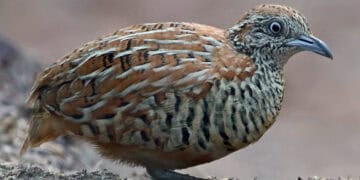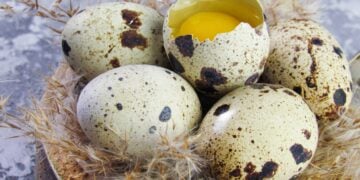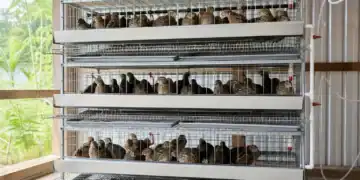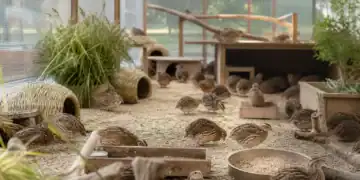

Quail chicks seem impossibly small beside a feed crumble, yet they grow fast enough that the right ration matters from the first day. Choosing quail feed protein by age begins with the species, the bird’s stage of growth, and the purpose of the flock. A percentage on the bag is useful, but it is not the whole feed.
Coturnix chicks need a complete starter or game bird ration that supplies protein, amino acids, vitamins, and minerals in a form they can eat. Laying hens need more calcium than growing birds. Meat birds, breeders, and bobwhite may follow different feeding programs, so a label that worked for one flock is not automatically right for another.
Read the species and life stage directions before comparing protein numbers. The best choice is a complete ration designed for the bird in front of you, available consistently enough that you can make any transition gradually.
Quail feed protein by age: a Coturnix reference
Alabama Cooperative Extension’s game-bird feeding guide provides these diet specifications for Japanese quail in Table 5. Keeping calcium beside protein makes the differences between feeds easier to see:
- Starter/grower, labeled 0 to 6 weeks: 24% to 26% crude protein and 0.80% calcium.
- Meat finisher, labeled beyond 6 weeks to market: 17% to 19% crude protein and 0.70% calcium.
- Adult breeder, for egg production: 18% to 20% crude protein and 2.50% calcium.
These are specifications from one published feeding program, not a home-mixing recipe or universal pass/fail numbers for every commercial bag. Alabama’s accompanying text describes starter/grower feeding during the first 6 to 8 weeks, a broader window than its table heading. Ask the feed formulator how its ration covers that growth window before setting your switch date.
The guide also notes that Japanese quail selected for rapid growth may need higher nutrient concentrations. A jumbo label on your birds does not establish a new percentage by itself. Confirm the line’s needs with the breeder and a qualified poultry nutritionist or the feed manufacturer’s nutrition staff.
Why protein alone cannot choose the bag
In Alabama’s Japanese-quail reference, finisher and breeder protein ranges overlap. Calcium does not: the adult breeder specification is much higher than the finisher specification. A finisher ration supports birds headed for meat production; matching its protein number to a layer ration does not make the two interchangeable.
Alabama’s table includes methionine and lysine, along with energy, phosphorus and other nutrients. Those amino acids are part of the formulation too. You cannot judge whether a feed meets the whole program by the crude-protein line alone.
Look for a complete ration intended for your species and stage. A supplemental feed or a bag of scratch grain does not become complete because another ingredient raises the protein average. Mississippi State’s Feeding Quail publication warns that adding ingredients, whether mixed in or offered separately, can upset the nutrient balance of complete feed.
Mealworms, extra grain or a scoop of mineral powder are not a reliable repair for an unsuitable bag. Ask for a suitable complete ration or a professionally checked alternative. Trying to fix one number in the feed bucket leaves the rest of the formulation unknown.
Read the directions before buying a full bag
The front of a feed bag may say game bird, but the feeding directions should tell you which birds and stages it serves. Read those directions before comparing protein.
Check whether the feed is complete, whether it is for growing or laying birds, and whether the manufacturer includes Japanese/Coturnix quail in its intended use.
Carry the species, hatch date and production goal when you ask the store or mill for help. Ask for Coturnix starter and have the manufacturer confirm suitability if its label is unclear. A bag’s place on the store shelf cannot answer that question.
Check calcium alongside crude protein, then look for any medication panel and restrictions. Do not assume every medicated starter is safe for every quail flock, or that every medicated product is unsuitable. A current product’s intended species, use directions and any restrictions on eggs or meat need confirmation with the manufacturer or a qualified professional.
Feed texture deserves a look before you leave the store. Ask whether the starter crumble is small enough for newly hatched quail. Keep the bag label and lot information, and check freshness and storage condition; you will want those details if a concern appears after opening it.
Have the first feed ready before hatch
When planning a Coturnix hatch, prepare the brooder’s feed and water access before the chicks arrive. Our incubation guide makes that handoff part of hatch preparation. The next chore after moving chicks should be watching them settle, not searching for a bag of suitable starter.
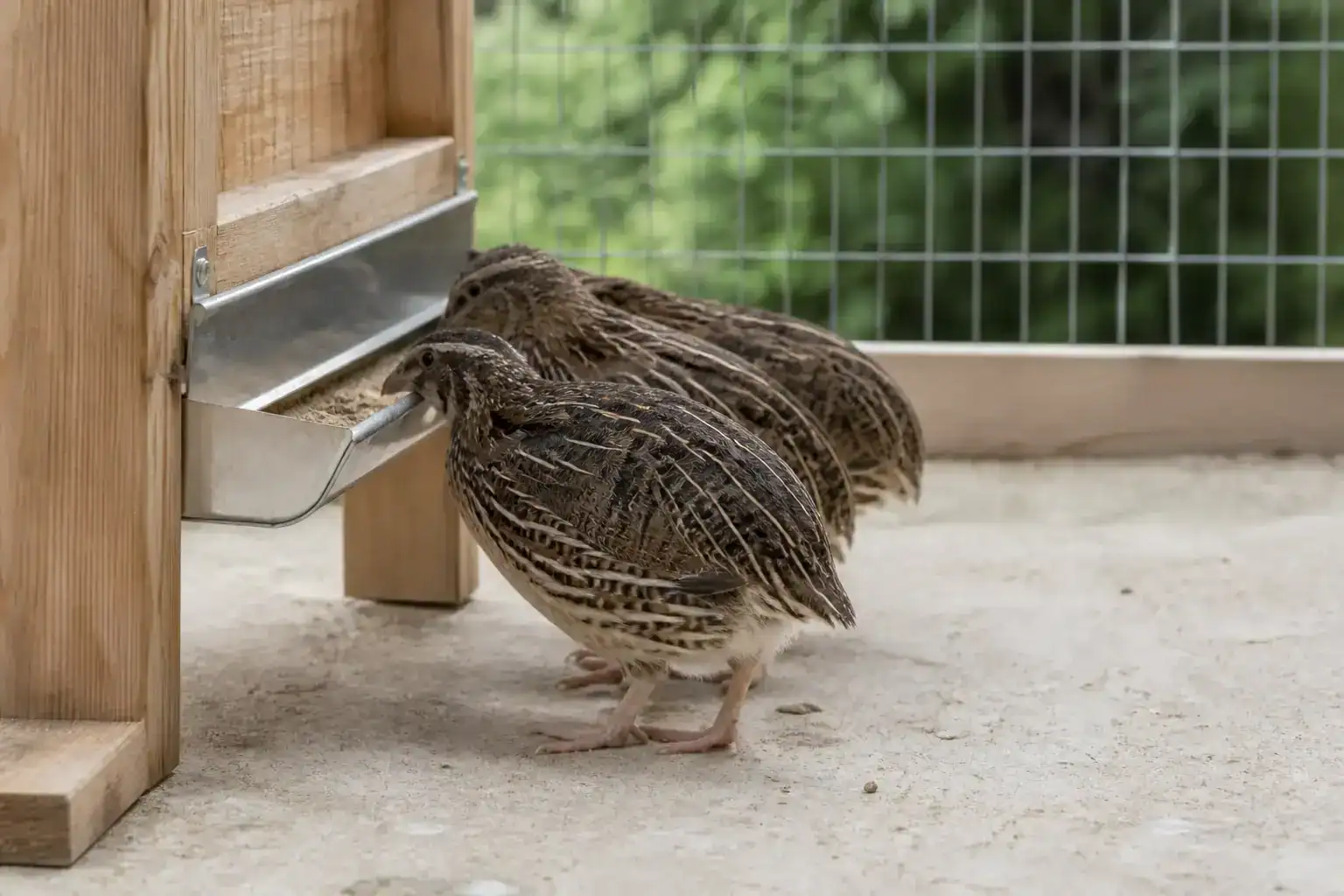
A full feeder can still leave a chick unable to eat. Mississippi State’s Feeding Quail publication notes that starter crumbles are sometimes too large for newly hatched quail and need additional grinding. Check the crumble itself rather than assuming that starter printed on the bag means every particle will fit a quail chick’s beak.
Watch the smallest birds eat, including whether they can reach through the openings and pick up the feed without stretching. Notice any chick being pushed away. Adjust the access problem instead of changing the ration to compensate for it.
The Cooperative Extension guide to raising Japanese quail calls for readily available feed and water and a brooder setup that prevents drowning. Use equipment scaled to quail chicks, with clean water they can reach safely. Check access again after any change in feeder or waterer position.
Keep feed dry and remove wet or moldy material. Mississippi State’s publication calls for constant clean water and daily cleaning and refilling of water troughs. A water leak beside the feeder is a feeding problem even when the bag is correct.
Plan the layer transition before the first egg
Coturnix can reach laying age while a slower-growing quail species is still in a juvenile feeding phase. Mississippi State’s quail feeding programs notes that Coturnix may begin laying at 6 to 8 weeks. Its Coturnix pathway uses starter followed by breeder feed for egg-producing birds, or starter followed by finisher for meat birds.
A separate lower-protein grower at week three or four is therefore not a universal Coturnix requirement established by these references. The starter/grower wording in Alabama’s program covers the early growth period together. Follow the species-specific feeding plan for the actual ration instead of adding a stage because another keeper’s calendar includes one.
For Japanese quail, Alabama says to introduce breeder feed at least two weeks before expected egg production or at the first egg. It also recommends a gradual holding-to-breeder change over a week. Plan that change with the formulator. Expected laying dates are estimates, and breeder feed is unsuitable for newly hatched chicks.
The high-calcium breeder ration belongs to the laying program, not the chick brooder.
Mixed-age groups, nonlaying adults and groups kept for different purposes need a feeding plan checked for those circumstances. One shared feeder should not force every bird onto a ration chosen for only part of the group.
During the planned change, keep watching intake and access. Record the feed names and switch date so you can distinguish a ration change from a feeder adjustment or another husbandry change. Do not improvise a universal blending ratio; the feed directions and the birds’ stage should guide the transition with qualified advice when needed.
Keep the feeding instructions available during the change, especially if the new bag uses a different stage name. Starter/grower, developer and finisher describe different programs; a familiar word on a replacement bag is not enough to establish the same use. Ask the mill to explain any mismatch before feeding it.
Bobwhite need their own calendar
Bobwhite develop on a different timeline from early-laying Coturnix. Penn State’s bobwhite production guide describes a longer sequence of starter, grower and maintenance feeding, followed by breeder feed before planned breeding. That maintenance stage is for nonbreeding bobwhite in that program, not a low-protein shortcut for Coturnix layers.
Choose a coherent species-and-purpose program rather than borrowing the starter percentage from one chart and the switch date from another. The published references differ in their exact specifications and age windows; none is a new feeding trial for your flock.
If you are still choosing birds, our comparison of Coturnix and bobwhite production goals helps separate the decisions before equipment and feed purchases. Identify the bird first, then build its feeding calendar.
Can chicken feed or turkey starter substitute?
A bag already in the barn is convenient, but convenience does not confirm suitability. Chicken starter, chicken layer and turkey starter are different products, and their names alone cannot establish a complete Coturnix feeding program.
Mississippi State’s quail feed formulation guidance allows comparable turkey feeds as possible substitutes but calls for consultation with a qualified nutritionist before dietary substitutions. Comparable means more than a similar protein figure. The full formulation, species and life stage, plus any medication directions, still need checking.
If the usual quail feed is unavailable, photograph the replacement label and feeding directions and contact the formulator or qualified poultry nutritionist. Explain whether the birds are chicks, meat birds or layers. Do not stretch a dwindling bag with grain or try to rebuild it with insects and calcium while waiting for advice.
Investigate a change without guessing at deficiency
Slow growth, feather changes, thin shells or fewer eggs can send you straight back to the protein number. None of those observations, by itself, proves protein deficiency. Laying also responds to light and the birds’ environment, so a feed-only explanation may miss the cause.
For an otherwise active flock, inspect the feeding setup as well as the label. Watch for birds pushed away from openings, feed spilled underneath, damp clumps and a waterer that does not deliver reliably. Our feeder guide uses an observe-and-adjust approach: change one equipment variable at a time, then watch the birds again.
If you measure feed put into the trough, check what remains and what landed underneath before calling the difference consumption. Feed scattered onto the floor was not necessarily eaten. Less spill is useful only if the smallest and least assertive birds still reach their meals.
A short flock record gives a professional more to work with than a recollection that production dropped recently:
- Record species, hatch date and whether each group is being raised for meat or eggs.
- Save the feed name, stage, bag lot and date opened, along with the date of any switch.
- Note access problems, spills, water leaks and recent equipment or husbandry changes.
- Track condition or weights when you can do so safely, plus egg numbers and shell changes.
Mississippi State’s Feeding Quail publication recommends retaining a feed sample and consulting Extension when a nutritional problem is suspected. Bring the label and record too.
Persistent changes warrant qualified advice; an ill, weak, injured or non-eating bird needs prompt veterinary assessment rather than a higher-protein experiment.
Once the ration is settled, our guide to quail feeders and waterers that reduce waste can help with feeder height, openings and water placement. Watch every bird’s access after an adjustment, not only the amount left on the floor. For hatch preparation and other ongoing chores, browse our quail care guides.
Photograph the front label and guaranteed analysis of the feed you use now. Does it name the species and life stage, or are you choosing from the protein number alone?
Frequently Asked Questions About Quail Feed: Protein Needs From Chick to Layer
What protein percentage do Coturnix quail chicks need?
Many game bird starter feeds for Coturnix chicks are formulated in the mid twenties for crude protein, but use a complete product labeled for the species and growth stage. Follow the manufacturer’s directions and qualified nutrition guidance.
When should Coturnix quail switch to layer feed?
Make the change near sexual maturity or the start of laying according to the feed label and your flock’s development. Transition gradually instead of changing the ration abruptly on a calendar date alone.
Can quail eat chicken feed?
Chicken feed may not provide the protein, amino acids, calcium balance, or particle size needed for quail. Use a complete game bird or quail ration whenever possible and consult a qualified source before substituting.
Do male quail need layer feed?
Males do not need the elevated calcium intended for laying hens. In mixed breeding groups, use a ration designed for breeders or follow species specific nutrition guidance rather than guessing from the hen’s needs alone.