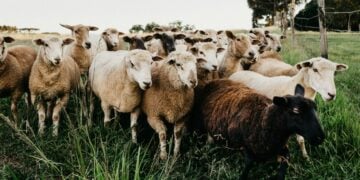

Raising Icelandic sheep can make sense for a homestead that wants a practical meat-and-fiber breed in one flock. Icelandics are known for hardiness, efficient grazing, colorful dual-coated fleece, good mothering, and useful lamb growth on pasture. They are not a shortcut breed, though. They still need secure fencing, dry shelter, sound nutrition, hoof care, parasite monitoring, and a clear plan for what you will do with lambs, wool, hides, and breeding stock.
What You’ll Learn
What Makes Icelandic Sheep Different?
Icelandic sheep are part of the North European short-tailed group, which means they naturally have short tails rather than the long tails many new shepherds expect. Their history is tied to survival in a harsh northern climate, and that background is part of why modern homesteaders are interested in them.
The Icelandic Sheep Breeders of North America describes Icelandics as an old, pure breed that has historically been used for meat, fiber, and milk. The breed association also notes their dual-coated fleece, range of natural colors, cold hardiness, seasonal breeding, and strong maternal traits. You can read the breed overview here: Icelandic Sheep Breeders of North America breed information.
For a homestead, the appeal is simple: one sheep can contribute to several goals. Meat lambs, colorful wool, breeding stock, milk for personal use on some farms, and pelts may all be part of the decision. That does not mean every flock should do all of those things. The best results come when you decide your main purpose before you buy sheep.
If you are still deciding whether sheep fit your land, budget, and daily routine, start with Raising Sheep: A Beginner’s Guide to Starting a Homestead Flock before narrowing in on a specific breed.
Meat Potential on a Small Homestead
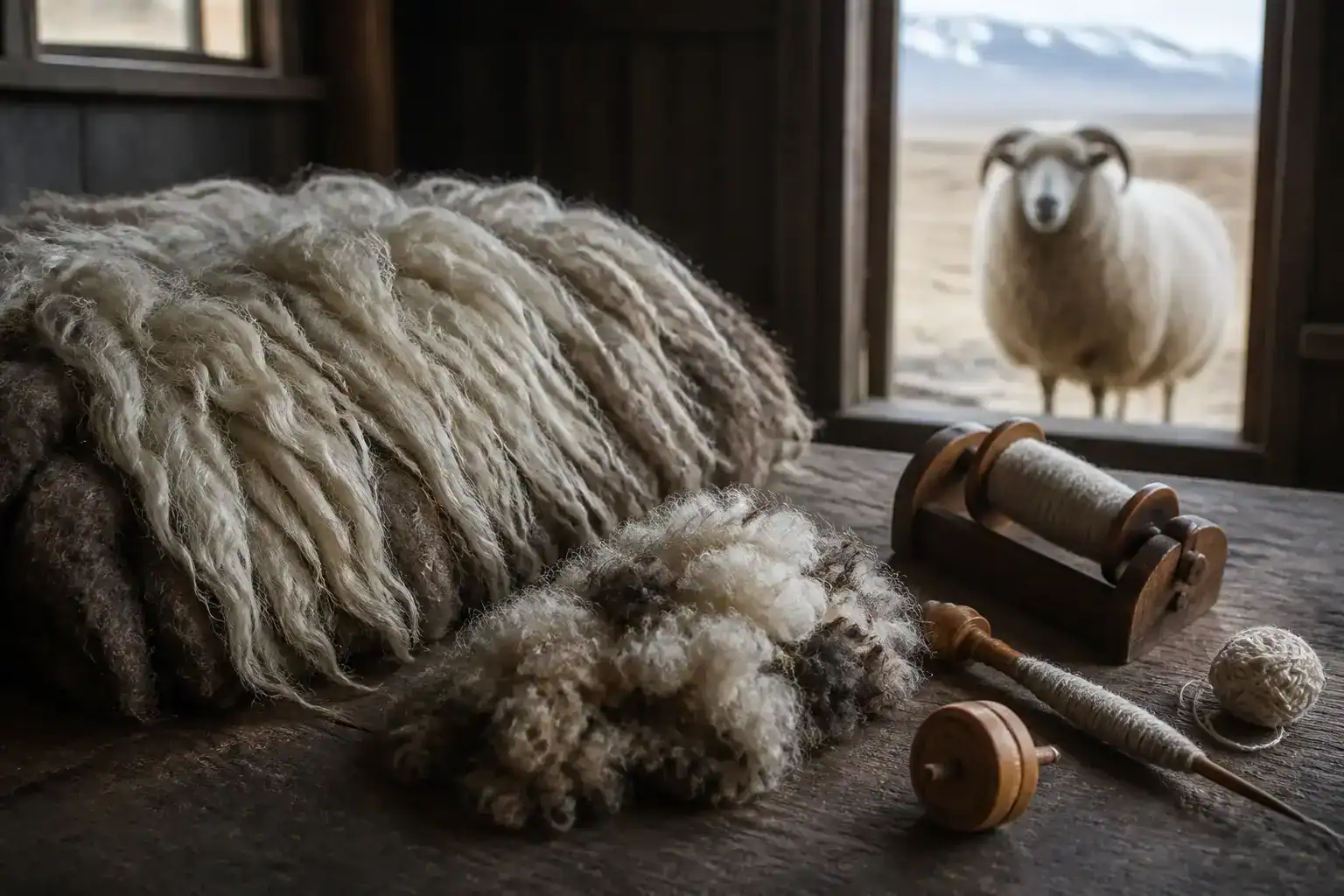
Icelandic sheep are often chosen by small farms that want lambs raised primarily on pasture and hay. They are not the same as a terminal meat breed built only for heavy carcass weight. Their value is more balanced: moderate size, efficient grazing, early vigor, and the ability to produce meat while also giving a useful fleece.
That balance matters if you are raising sheep for your own freezer. A big commercial meat breed may grow differently and need a different feeding program. Icelandics can work well when your goal is flavorful lamb from a hardy flock that also supports fiber projects.
Before buying, ask the breeder direct questions:
- What age are lambs usually ready for harvest in that flock?
- Are they finished on pasture, grain, or a mix?
- What mature size do the ewes and rams reach?
- Do lambs grow well in your kind of climate?
- Are they selecting for meat, fleece, registration, milk, or all-around traits?
Do not buy only from pretty fleece photos if meat is one of your goals. Look at structure, growth, mothering, health, and the breeder’s actual management system.
Fiber: The Big Reason Many People Want Icelandics
The fleece is one of the strongest reasons homesteaders fall for Icelandic sheep. Icelandic wool is dual-coated, with a longer outer coat and a softer inner coat. Handspinners may separate those fibers or use them together, depending on the project. The natural color range can also be a major draw: whites, browns, grays, blacks, and patterned fleeces all have value for people who like undyed wool.
That said, fiber is work. If you plan to raise Icelandics for wool, know where the fleece will go before shearing day. Will you skirt and sell raw fleeces? Send wool to a mill? Spin it yourself? Make roving? Sell pelts? Use the wool for homestead crafts?
Fleece quality depends on genetics, nutrition, health, weather, bedding, and handling. Hay chaff, burrs, mud, weak tips, breaks in the fleece, and poor storage can reduce value fast. Keep feeders designed so sheep do not drag hay through their wool. Keep bedding dry. Store fleeces in breathable bags after skirting, not in damp plastic where they can mold.
Because fleece care starts long before shearing, make shearing part of your flock plan instead of a last-minute panic. For equipment planning, see Best Electric Sheep Shears for Beginner Homesteaders.
Feeding Icelandic Sheep
Icelandics have a reputation for doing well on forage, but that does not mean they thrive on poor management. Good grass, clean hay, fresh water, and a sheep-appropriate mineral program still matter. Late pregnancy, lactation, harsh winter, parasite load, drought, and growing lambs all change nutritional demand.
Start with forage quality. If your pasture is thin, weedy, or overgrazed, Icelandics will not magically fix it. Rotational grazing can help protect pasture and spread manure more evenly. Hay should be clean and appropriate for sheep, with no mold and no toxic weeds. Water should be easy to access in every season.
Minerals deserve special care. Sheep are sensitive to copper compared with goats and cattle, so do not casually share goat or cattle mineral with sheep unless your veterinarian or nutritionist confirms it is appropriate. Local soil deficiencies also matter, especially selenium in many regions. Work with local guidance instead of guessing.
For a deeper feeding foundation, keep What Do Sheep Eat? A Practical Feeding Guide for Homestead Flocks handy as you set up pasture, hay, minerals, and winter feeding.
Shelter, Fencing, and Weather
Icelandic sheep are cold hardy, but cold hardy does not mean weatherproof without shelter. They need a dry place to get out of wind, wet bedding, driving rain, and extreme heat. In winter, dry fleece insulates. Wet, filthy fleece does not do the same job.
A basic shelter should be well ventilated without drafts at lamb level. It should drain well, allow enough room for the flock, and make it possible to separate a sick ewe, a lambing pair, or a ram when needed.
Fencing is non-negotiable. Sheep may not test fencing like goats, but a loose flock can destroy relationships with neighbors and put animals at risk. Woven wire, electric offsets, good gates, and rotational netting can all have a place depending on predator pressure and pasture layout. Horned Icelandics also require thought around feeder and fence design so animals do not trap themselves.
Predator protection matters too. Lambs are vulnerable. Depending on where you live, dogs, coyotes, birds of prey, and other predators may shape how you lamb, graze, and house the flock.
Temperament and Handling
Icelandic sheep can be alert, quick, and intelligent. Some flocks are calm and easy to manage because the breeder selected for temperament and handled them consistently. Others may be flightier, especially if they have had little human contact.
Do not assume breed alone tells you temperament. Visit the flock if possible. Watch how the sheep respond when the breeder enters the pen. Ask how often they are handled, whether they are trained to come to feed, and how rams behave.
Good handling facilities make every breed easier. A small catch pen, a sturdy gate, a sorting panel, and calm routines will save you more frustration than trying to muscle sheep in an open pasture. Rams deserve extra caution. Even a friendly ram can hurt someone. Never turn your back on a breeding ram or let children treat one like a pet.
Lambing and Breeding Considerations
Icelandic ewes are known for strong mothering and good lamb vigor, but new shepherds should not use that as an excuse to be unprepared. Lambing still requires clean bedding, observation, colostrum awareness, recordkeeping, and a plan for weak, chilled, rejected, or orphaned lambs.
Ask breeders about lambing ease, single versus twin frequency, mothering history, udder quality, lamb birth weights, and whether ewe lambs are commonly bred in that flock. If a ewe is prolific, that can be useful, but more lambs also mean more nutritional demand and closer monitoring.
Plan breeding dates around your weather and schedule. Lambing during brutal storms, deep mud, or your busiest off-farm work season can make problems harder. A slightly later lambing window with better grass and weather may be smarter for some small homesteads.
Health Priorities
Icelandic sheep may be hardy, but they are not immune to ordinary sheep problems. Parasites, foot issues, mineral imbalance, pregnancy complications, predator injuries, and respiratory problems can still happen.
A practical health plan includes:
- Quarantine for new sheep.
- Fecal testing and targeted parasite control.
- Body condition scoring.
- Hoof checks.
- Vaccination discussions with your veterinarian.
- Clean lambing areas.
- Records for breeding, lambing, treatments, and losses.
Do not build your flock health plan from random product labels. Build it with your veterinarian, local extension guidance, and the disease realities in your region.
How to Choose Breeding Stock
When looking at Icelandic sheep for sale, slow down. Pretty sheep are not always the best sheep for your farm. Registered stock may matter if you plan to sell breeding animals. Fleece traits matter if fiber is your goal. Growth and carcass traits matter if meat is your main goal. Temperament matters every day.
Questions to ask a breeder:
- Are the sheep registered, and with which registry?
- Are they horned, polled, or mixed?
- What are the flock’s main selection goals?
- What health testing or disease history can the breeder share?
- How are lambs finished?
- How often are sheep shorn?
- What do raw fleeces usually weigh and look like?
- How does the flock perform in heat, humidity, parasites, or your regional challenges?
If you are in a hot, humid climate, ask extra questions. A cold-hardy breed can still be raised outside the North, but parasite pressure, heat stress, shade, ventilation, and summer management become more important.
Pros and Cons of Raising Icelandic Sheep
Pros: Icelandics offer meat, fiber, color variety, hardiness, grazing efficiency, lamb vigor, and strong breed interest. They can suit a homestead that wants more than one product from a flock.
Cons: They still require real sheep infrastructure. Fiber adds labor. Horns can complicate handling. Breed stock may cost more than commercial sheep. In warm or parasite-heavy regions, management must be sharp. If you do not have a plan for wool or breeding stock, you may not capture the breed’s full value.
Frequently Asked Questions About Raising Icelandic Sheep
Are Icelandic sheep good for beginners?
They can be, if the beginner has solid fencing, shelter, a mentor or veterinarian, and a clear plan for meat and fiber. They are hardy, but they are still sheep and need consistent management.
What are Icelandic sheep used for?
Icelandic sheep are traditionally considered triple-purpose: meat, fiber, and milk. On many homesteads, the main uses are meat lambs, wool, breeding stock, and sometimes pelts or personal dairy projects.
Do Icelandic sheep need to be sheared?
Yes. Icelandic sheep grow a useful fleece and need regular shearing. Fleece quality depends on nutrition, cleanliness, timing, and storage.
Are Icelandic sheep good for wool?
Yes. Their dual-coated fleece and natural color range make them popular with handspinners and fiber-focused farms. You still need a plan for skirting, storing, processing, or selling the wool.
Do Icelandic sheep need grain?
Not always, but it depends on forage quality, pregnancy, lactation, lamb growth, climate, and body condition. Do not rely on breed reputation alone. Balance feed to the flock’s actual needs.
Are Icelandic sheep horned?
Both horned and polled strains exist. Horns affect feeder design, handling, fencing, and safety, so ask breeders what their flock produces.