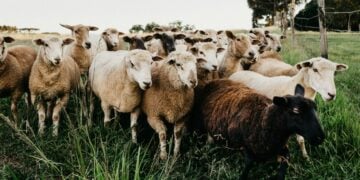

Prepare for lambing season by counting back from expected due dates, improving ewe nutrition gradually in late pregnancy, checking body condition, setting up clean lambing pens, stocking colostrum and newborn supplies, planning vaccination and parasite checks with your veterinarian, and watching closely as ewes approach labor. Sheep average about 147 days of gestation, so a breeding date or marking harness record makes lambing season much easier to manage.
What You’ll Learn
Why Lambing Season Prep Starts Early
Lambing season is not just the week lambs hit the ground. It is the whole stretch of decisions that shape whether ewes lamb in good condition, whether lambs nurse fast, and whether you have the supplies ready when a cold, wet twin needs help at midnight.
A good lambing season usually looks calm from the outside because the preparation happened months earlier. Fencing was fixed. Rams were managed. Ewes were sorted by body condition. Minerals were available. Lambing jugs were cleaned. Colostrum backup was on the shelf. Phone numbers were written down before the emergency.
If you are new to sheep, keep the first year simple. A small flock, known breeding dates, and clean facilities are worth more than complicated systems. For the larger basics of flock ownership, start with Raising Sheep: A Beginner’s Guide to Starting a Homestead Flock.

Before Breeding: Set Up the Season
The lambing calendar begins before the ram goes in. Decide when you want lambs born, then count backward. Think about weather, shelter, pasture growth, your work schedule, predator pressure, and whether you want spring lambs, fall lambs, or a tighter lambing window.
Before breeding, look hard at your ewes. Thin ewes may struggle to breed, carry lambs, or milk well. Overfat ewes can have their own problems. Check teeth, feet, udders, body condition, parasite risk, and general soundness. Do not breed ewes you already know are poor mothers, chronically lame, hard to handle, or in poor condition.
Make sure the ram is ready too. A ram that is lame, thin, overheated, or unproven may leave you with open ewes and a disappointing lambing season. If you use a marking harness, record breeding dates so you can estimate lambing dates and group ewes more intelligently.
Month 1 of Pregnancy: Record and Observe
During the first month after breeding, avoid dramatic feed changes, stressful handling, and unnecessary hauling. Keep the flock steady. This is the month to confirm your records, note which ewes were marked, and decide whether you will pregnancy check.
Some farms use ultrasound later to confirm pregnancy and count fetuses. For a small homestead flock, even simple records help. Write down the ram-in date, ram-out date, ewe marks, expected lambing window, and any ewe-specific notes.
Do not start heavy grain feeding just because a ewe might be pregnant. Early pregnancy does not require panic feeding. Good pasture or hay, clean water, and sheep mineral are the foundation.
Month 2: Maintain Body Condition
The second month is mostly about steady management. Ewes should stay in good working condition. You do not want them losing weight, but you also do not need to push them hard.
Walk through the flock and put hands on backs and ribs if wool hides condition. Watch for thin ewes, bossy ewes that monopolize feed, and animals that hang back. If pasture is fading or hay quality is lower than expected, adjust early rather than waiting for late pregnancy.
This is also a good time to review your feeding plan. Late pregnancy and lactation demand more from ewes, especially those carrying twins or triplets. For a broader feeding foundation, see What Do Sheep Eat? A Practical Feeding Guide for Homestead Flocks.
Month 3: Plan the Lambing Area
By the third month, you should know where lambing will happen. The area does not need to be elaborate, but it needs to be clean, dry, protected from wind and rain, and easy for you to access.
Think through traffic flow. Can you move a ewe quietly into a pen? Can you bring water without stepping over lambs? Can you hang a heat lamp safely if you use one, or do you have safer warming options? Can predators get close? Can lambs crawl under panels or get trapped behind feeders?
Clean old bedding, repair gates, check latches, and gather panels for lambing jugs. A lambing jug is a small pen where a ewe and her lambs can bond for a short period. It helps you confirm nursing, check the udder, dip navels, and watch weak lambs without losing them in the larger flock.
Month 4: Build the Lambing Kit
The fourth month is the time to stock supplies, not the night the first ewe starts labor. Keep everything in one clean tote or shelf so tired hands can find it fast.
A practical lambing kit may include:
- Clean towels.
- Disposable gloves and OB sleeves.
- Obstetrical lubricant.
- Navel dip or spray recommended by your veterinarian.
- Digital thermometer.
- Lamb bottles and nipples.
- Colostrum replacer or frozen clean colostrum.
- Feeding tube and syringe if you are trained to use them.
- Lamb scale or sling.
- Notebook or printed lambing record sheet.
- Headlamp or barn-safe light.
- Vet phone number.
Do not buy tools you do not know how to use and assume the package insert will teach you during an emergency. If you plan to tube-feed a lamb, learn from a veterinarian or experienced shepherd before lambing season.
Six Weeks Before Lambing: The Critical Window
The final six weeks are when most fetal growth happens and when ewe management becomes more important. Merck Veterinary Manual notes that pregnant ewes need good-quality nutrition and exercise, that ewes carrying multiples need more energy, and that the plane of nutrition should increase during the last trimester. It also notes common pre-lambing practices such as vaccination several weeks before parturition and shearing or crutching around the hindquarters and udder when appropriate. Read the outside reference here: Merck Veterinary Manual sheep breeding and parturition guidance.
This is not the time for sudden grain overload. If concentrates are needed, introduce them gradually. Watch thin ewes and heavy ewes closely. Late-pregnancy metabolic problems can become serious quickly, especially in ewes carrying multiple lambs.
Work with your veterinarian on vaccine timing, parasite checks, selenium or mineral concerns, and any region-specific issues. Do not copy another farm’s drug or supplement plan without local guidance.
Two to Three Weeks Before Lambing
Now the barn should be ready. Bed lambing spaces. Check water access. Put hay where you can reach it. Make sure lambing jugs are safe, dry, and large enough for the ewe to lie down without crushing lambs.
Trim long wool around the udder if lambs may struggle to find teats. Check udders on ewes that will allow it. Watch for hard, damaged, or uneven udders, especially in older ewes. Make sure ewes can walk well and reach feed without competition.
Start closer observation, but keep the flock calm. Ewes can delay or suppress labor when stressed, so routine matters. Do not chase heavily pregnant ewes around a large pasture unless there is a real need.
The Week Lambing Starts
As lambing season begins, check the flock more often. Look for udder development, softened ligaments, swollen vulva, nesting behavior, pawing, isolation, restlessness, and discharge. Some ewes are obvious. Others give almost no warning.
Know the difference between watching and hovering. Ewes need privacy, but they also need timely help if labor stalls. Learn the normal stages of labor before the season starts. If you are unsure whether a ewe is progressing normally, call someone experienced sooner rather than later.
After birth, the first priorities are breathing, warmth, colostrum, navel care, and ewe-lamb bonding. Lambs should be up and nursing quickly. Weak lambs, cold lambs, rejected lambs, and triplets need closer management.
For backup feeding guidance, keep Bottle Feeding Lambs: How to Keep an Orphaned or Rejected Lamb Alive handy before you need it.
During Lambing: Daily Chore Rhythm
During active lambing season, chores become observation rounds. Check ewes, lambs, udders, bedding, water, and feed. Confirm that lambs have full bellies and are not hunched, hollow, chilled, or crying constantly.
Record births as they happen: ewe ID, date, number of lambs, sex, markings, birth weight if you take it, assistance needed, and any concerns. These notes help you make better breeding and culling decisions later.
Keep lambing areas dry. Wet bedding chills lambs fast. Drafts are hard on newborns. Crowding increases disease pressure. The best lambing setup is not necessarily the warmest building; it is the clean, dry, calm setup where lambs can nurse and stay protected.
After Lambing: Do Not Relax Too Soon
The first few days after birth are critical. Watch for mismothering, weak lambs, mastitis, swollen navels, diarrhea, chilled lambs, and ewes that are not eating. Make sure each lamb has a working teat and gets enough milk.
After ewe and lamb are bonded and stable, move them out of the jug into a clean group area. Do not leave them in small pens longer than needed if bedding is getting dirty or space is tight.
As lambs grow, plan creep feed if you use it, parasite monitoring, docking and castration decisions with proper timing and pain-control guidance, and weaning strategy. Lambing season rolls straight into lamb raising.
Common Lambing Season Mistakes
The first mistake is not knowing due dates. Without dates, every ewe looks “close” for weeks.
The second is underfeeding late pregnancy, then trying to fix it after lambs are born. Milk starts before lambs hit the ground.
The third is overfeeding grain suddenly. Abrupt ration changes can create digestive trouble and metabolic risk.
The fourth is not checking udders. A lamb can look like it is nursing and still not be getting milk.
The fifth is having supplies but not knowing how to use them. A tube feeder, prolapse harness, or lamb puller should come with training, not guesswork.