

How long do ducks live depends on two things more than anything else: whether they are wild or domesticated, and how well they are cared for. Wild ducks face predators, weather, and food scarcity that cut their lives short. Domestic ducks, given clean water, good feed, and a secure pen, regularly reach 10 to 15 years. The gap between the two is significant, and it is almost entirely within your control.
What You’ll Learn
How Long Do Ducks Live in the Wild
Wild ducks live shorter lives than most people expect. The average wild duck survives 5 to 10 years, and many species fall well below that. Mallards in the wild average just 3 to 7 years, with first-year mortality rates that can exceed 50 percent due to predation and harsh winters.
The nesting period is the most dangerous stretch of a wild duck’s life. Females sitting on eggs are especially vulnerable to foxes, raccoons, and birds of prey. Eggs and ducklings face even higher losses. A mallard hen that successfully raises one clutch per year to maturity is doing well by wildlife standards.
Protected habitats make a measurable difference. Ducks living in wildlife refuges and managed wetlands consistently outlive those in developed or disturbed areas. Clean water, abundant food, and lower predator pressure add real years to a wild duck’s life.

How Long Do Ducks Live Domestically
Domestic ducks live significantly longer than their wild counterparts when they are well kept. The typical range is 10 to 15 years, and some individuals push past that. Ducks kept as pets, given attentive daily care, regularly hit the upper end of that range.
The oldest domestic ducks on record were a pair owned by Gladys Blackbeard of Grahamstown, South Africa. They were given to her in 1917 and celebrated their 49th birthday in 1966, according to Guinness World Records. That is an extreme outlier, but it illustrates what is possible when ducks are well-cared for over a lifetime.
Commercial ducks raised for meat or eggs are typically processed well before old age, so lifespan data for those settings does not reflect what backyard and homestead ducks can achieve. If you are raising ducks as part of your flock and plan to keep them long-term, 10 to 15 years is a realistic expectation.
How Long Do Ducks Live by Breed
Breed is one of the strongest predictors of duck longevity. Some breeds are simply hardier than others, and knowing what to expect helps you plan accordingly.
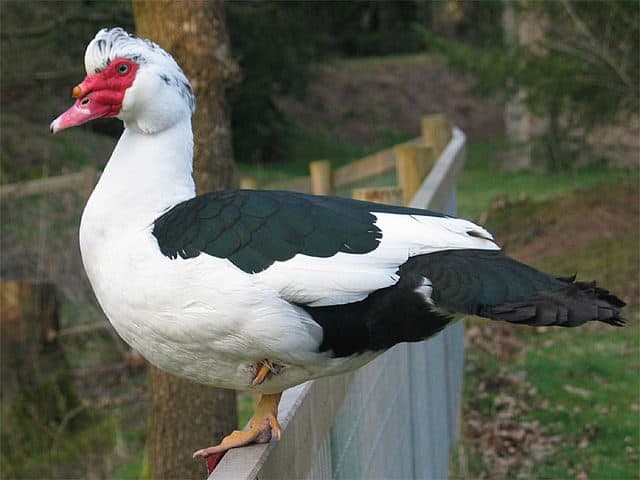
Muscovy ducks are the longest-lived domestic breed, regularly reaching 12 to 15 years and sometimes beyond. They are disease-resistant, efficient foragers, and handle heat well. For homesteaders looking for longevity, Muscovies are a strong choice.
Pekin ducks are the most common backyard breed and typically live 8 to 12 years. Their lifespan can be shorter if they are allowed to become overweight, which is a real risk given how readily they eat. Keeping Pekins active and at a healthy weight makes a difference.
Mallards kept in domestic settings live longer than their wild relatives, often reaching 10 to 15 years with proper care. They tend to be more flighty and independent than purpose-bred domestic breeds, but their hardiness contributes to a solid lifespan.
Wood ducks are rarely kept as backyard birds, but in captivity with attentive care they can live up to 15 years. In the wild, their average is just 3 to 4 years.
Rouen and Khaki Campbell ducks generally fall in the 8 to 12 year range. Campbells in particular are prolific layers, and heavy egg production over many years can put stress on the body that shortens lifespan slightly compared to breeds kept primarily as pets.
What Affects How Long Ducks Live
Predator Protection
For domestic ducks, predator exposure is the number one preventable cause of early death. A secure pen with a covered run, hardware cloth rather than chicken wire on the sides, and a locked door at night protects against the most common threats: raccoons, foxes, opossums, and birds of prey. Ducks that free-range during the day face elevated risk, particularly during breeding season when they may wander from the safety of the flock.
Diet and Nutrition
A balanced diet directly supports immune function and long-term health. Waterfowl pellets formulated for ducks provide the niacin levels ducks need, which chicken feed does not adequately supply. Niacin deficiency causes leg problems and general weakness, particularly in young ducks. Supplementing with leafy greens, peas, and the occasional protein treat like mealworms supports a healthy, varied diet. Avoid bread and processed human foods, which fill ducks up without providing nutritional value.
Water Access
Ducks need water deep enough to submerge their bills and splash it over their heads. This keeps their eyes and nostrils clear and prevents the respiratory and eye infections that arise when ducks cannot properly clean themselves. A small kiddie pool changed every few days is enough for a backyard flock. The water does not need to be a full pond, but it does need to be regularly refreshed. Stagnant water breeds bacteria and parasites faster than almost anything else in a duck setup.
Veterinary Care
Most backyard duck keepers do not have a waterfowl-experienced vet nearby, but finding one before you need one is worth the effort. Ducks are prone to bumblefoot, egg binding in females, respiratory infections, and internal parasites. Caught early, most of these conditions are treatable. Left too long, they can be fatal. A yearly wellness check and prompt attention to any change in behavior, appetite, or posture will extend a duck’s life more than most other interventions.
Signs a Duck Is Aging
How long do ducks live in practical terms often shows up in behavioral and physical changes before any dramatic health event. Older ducks move more slowly, may lag behind the flock, and sometimes reduce their foraging activity. Hens typically slow or stop laying by age 5 to 7, though this varies significantly by breed. Feather quality can decline, and older birds may be more susceptible to cold.
An aging duck that is still eating, drinking, moving around, and engaging with the flock is generally doing fine. The goal is to monitor for signs that go beyond normal aging, including labored breathing, prolonged lethargy, unexplained weight loss, or difficulty standing. These warrant a closer look and, if possible, a vet visit.
Ducks that reach old age on a homestead often earn a retirement of sorts. They contribute less in terms of eggs or pest control, but many keepers choose to let them live out their natural lifespan as part of the flock. Ducks are not the only bird worth planning around. Here is how long guineas live.
Frequently Asked Questions About How Long Do Ducks Live
Do male and female ducks live the same length of time?
In domestic settings, drakes and hens typically live similar lifespans of 10 to 15 years. Wild females face greater mortality risk during nesting, which can shorten their average lifespan compared to males in unmanaged populations.
How long do Pekin ducks live as pets?
Pekin ducks kept as pets rather than for egg or meat production typically live 8 to 12 years. Keeping them at a healthy weight, providing clean water daily, and protecting them from predators at night supports the longer end of that range.
At what age do ducks stop laying eggs?
Most duck breeds slow significantly in egg production by age 3 to 5 and may stop entirely by age 7, though some individuals continue sporadically for longer. Production breeds like Khaki Campbells tend to decline faster than heavier breeds kept primarily as farm animals.
Can ducks die from loneliness?
Ducks are highly social and genuinely suffer without flock companions. A lone duck will show signs of stress, reduced appetite, and behavioral changes that can weaken its immune system over time. Keeping at least two ducks together is strongly recommended for their long-term health and well-being.
What is the most common cause of death in backyard ducks?
Predation is the leading cause of death in backyard ducks kept without adequate protection. Among ducks that are properly secured, the most common health-related causes of death are internal laying complications in females, respiratory infections, and bumblefoot that progresses to systemic infection when untreated.